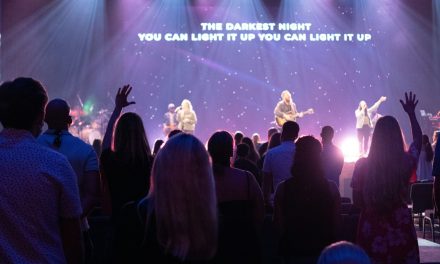
A worship song can sound right, feel powerful, and still form the wrong things in people over time. That is where deeper evaluation matters. Beyond being Christ-centered and biblical, songs must also shape character and guide the heart toward true worship.
This second part builds on the foundation from Part 1, focusing on two critical questions: does the song promote godly character, and does it foster genuine, Spirit-led worship? These filters help ensure that what is sung on Sunday carries lasting spiritual impact beyond the moment.
Question 3: Does It Promote Godly Character?

Worship songs do more than express emotion; they form habits of thought and character. Testing lyrics against *Bible passages like Galatians 5:22–23 helps determine whether a song cultivates love, joy, peace, and other Spirit-led virtues.
Songs by Matt Redman often pass this test, centering on Jesus while encouraging humility and surrender. In contrast, some modern tracks lean toward individualism, subtly reinforcing pride rather than obedience.
Worship leaders and pastors use this filter during song selection to ensure that lyrics build lasting, God-honoring traits. The goal is not just emotional response, but transformation rooted in truth.
A practical way to apply this is through a character audit:
- Humility (target 8+): Does the song point away from self and toward God?
- Repentance (7+): Is there acknowledgment of sin and need for grace?
- Obedience (8+): Does it encourage alignment with God’s will?
- Generosity (7+): Does it reflect outward, others-focused living?
- Purity (9+): Are the themes consistent with holiness and integrity?
| Virtue | Biblical Standard | Approved Example | Red Flag Example |
| Humility | Philippians 2:3–4 | In Christ Alone | Self-exalting “look at me” themes |
| Repentance | Psalm 51:17 | Reflective worship ballads on brokenness | Victim-focused lyrics ignoring sin |
| Obedience | John 14:15 | “Thy will be done” declarations | Individualistic ambition-driven songs |
| Generosity | 2 Corinthians 9:7 | Hymns on giving and service | Self-focused blessing language |
| Purity | Psalm 119:9 | Reverent, holiness-centered lyrics | Romanticized or blurred moral lines |
Writers like Keith Getty and Kristyn Getty consistently craft songs that reinforce these virtues. Regular evaluation like this strengthens theological clarity across a worship ministry.
Question 4: Does It Foster True Worship?

True worship is not just emotional engagement; it is rooted in truth and directed toward God. Bible teaching in John 4:24 emphasizes worship in spirit and truth, requiring both right belief and right posture.
Groups like Sovereign Grace Music often model this balance well, combining strong theology with humble expression. In contrast, some experience-driven songs rely heavily on emotional build without grounding in biblical truth.
This question asks whether a song draws attention toward God or subtly redirects it toward self. Worship leaders should evaluate whether lyrics lead to reverence, surrender, and obedience rather than hype or emotional manipulation.
A clear checklist helps identify this:
- Avoid language centered on chasing feelings or emotional highs
- Watch for victim narratives that ignore God’s sovereignty
- Flag choruses that elevate human experience over divine glory
- Prioritize lyrics that express awe, surrender, and reverence
- Look for confession and acknowledgment of dependence on God
- Confirm calls to obedience and discipleship
Songs that pass this test tend to produce lasting spiritual fruit. They guide the congregation toward genuine response, not just momentary reaction.
Even widely discussed songs like Reckless Love have sparked debate around language and theology, highlighting how important careful evaluation is. The goal is not perfection, but alignment with truth and a posture that honors God fully.
Conclusion
These two questions move worship evaluation beyond surface-level impact. A song may sound powerful, but its long-term effect depends on what it builds in people and where it directs their focus.
By testing for godly character and true worship, leaders create space for songs that do more than fill a moment. They shape lives, reinforce truth, and guide the church toward deeper, more grounded worship.
Have you ever sung a worship song that felt powerful in the moment but left you unsure about its message afterward?
Let us know in the comments and keep refining your worship leadership with DLK Praise and Worship.