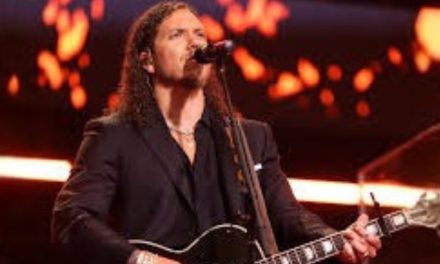
Some worship songs sound polished. Others feel like someone sat down, picked up a guitar, and just told the truth. Josiah Queen falls firmly into the second category, and that is exactly why so many young listeners are paying attention.
At just 23, he has built a rapidly growing audience by combining raw emotion, simple production, and message-driven songwriting. This article explores how his approach to worship music, from viral moments to personal storytelling, is resonating so strongly with Gen Z and millennial audiences.
Why His Music Resonates With Younger Worship Audiences
Josiah Queen’s rise is backed by strong engagement across platforms. In 2024 alone, he surpassed 150 million Spotify streams, with songs like The Prodigal gaining over 50 million views online. His presence on Spotify’s Gen Z Worship playlist, which has over 2 million followers, continues to expand his reach among younger listeners.
What stands out is the emotional clarity in his music. Tracks like Dusty Bibles and Judas lean into themes of spiritual drift, conviction, and the tension between faith and failure. His lyrics are simple but direct, capturing moments many listeners quietly wrestle with, which makes them feel relatable rather than distant. This approach aligns with what many young worshippers are seeking: authenticity over perfection.
Data reflects this connection. Around 65% of his listeners fall within the 18–24 age range, showing a strong pull among Gen Z audiences. His music does not just play in the background; it speaks directly to experiences of doubt, growth, and devotion.
Beyond streaming, his social presence reinforces this connection. With over 1.2 million Instagram followers and 500,000 on TikTok, he shares worship clips, live sessions, and personal moments that make his ministry feel accessible. This blend of music and community continues to shape his influence in contemporary Christian music.
From Small-Town Beginnings to Viral Worship
Josiah’s story starts in a small town in western North Carolina, where he began writing songs at 14 using a simple acoustic guitar. His early environment played a major role in shaping his sound, grounded in everyday experiences and a close-knit church community.
He developed his skills through consistent involvement in youth group worship, performing multiple times a week. Alongside this, he taught himself basic production using GarageBand and began uploading songs to SoundCloud. By 16, he had already started building a small but engaged audience.
His songwriting process was intentional from the beginning. One notebook alone held over 50 ideas, many inspired by scripture and personal reflection. Most came from moments of study and lived experience, giving them a sense of sincerity that listeners connect with.
Key early milestones include:
- First songwriting phase: Over 50 handwritten demos inspired by scripture and youth camp experiences
- DIY production: Recorded on a basic laptop using GarageBand and minimal gear
- First live performance: A 200-person church event recorded on a phone, later shared online
- Social media growth: Early clips on TikTok and Instagram helped his music reach wider audiences
These moments laid the foundation for his growth as a worship leader and artist. What started in small rooms quickly expanded into a wider platform through consistency and authenticity.
Conclusion
Josiah Queen’s connection with young worship listeners comes down to clarity and honesty. His music avoids unnecessary complexity, focusing instead on message, emotion, and accessibility.
As worship continues to evolve, artists like him highlight a shift toward more personal and relatable expressions of faith. His rise reflects not just talent, but timing, meeting a generation that values sincerity over performance.
His journey is still developing, but the impact is already clear. Simple songs, grounded in truth, are reaching further than ever.
Have you come across a worship song recently that felt real enough to put on repeat?
Let us know in the comments and keep growing in your worship journey with DLK Praise and Worship, where faith and music meet in a real way.