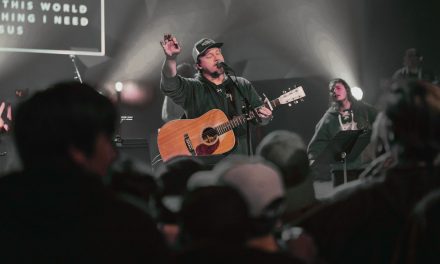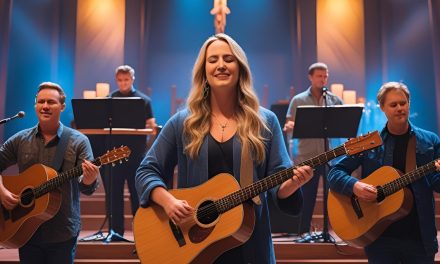
If worship music has taught us anything, it is this: it never stays still. Just when churches settle into a familiar sound, a new expression begins rising. The next chapter of worship is already forming, and it is blending innovation with deeper spiritual intention.
Looking ahead, Christian and liturgical music will continue evolving in both sound and structure. Live experiences are becoming more immersive, and technology is reshaping how congregations participate. These shifts are not random. They reflect changing generations, cultures, and expectations within the global church.
Expanding Diversity and Intergenerational Expression
One clear direction is growing stylistic diversity. Congregations increasingly blend gospel, contemporary Christian music, and liturgical elements within a single service. This fusion creates cross-cultural worship experiences that connect across backgrounds and traditions.
Multicultural worship is no longer a niche approach. It is becoming a central feature of many churches seeking unity through shared praise. By incorporating varied genres and musical storytelling, worship teams create services that feel inclusive and globally aware.
Intergenerational worship also continues gaining momentum. Churches are intentionally involving youth teams alongside seasoned musicians to foster shared spiritual ownership. This blend of artistic worship and youth-driven energy builds stronger community bonds and prevents generational silos.
Rather than separating age groups by style, many leaders now design sets that honor both hymn-inspired depth and modern anthems. The result is a richer worship atmosphere that reflects the whole body of Christ.
Technology and Immersive Worship Experiences
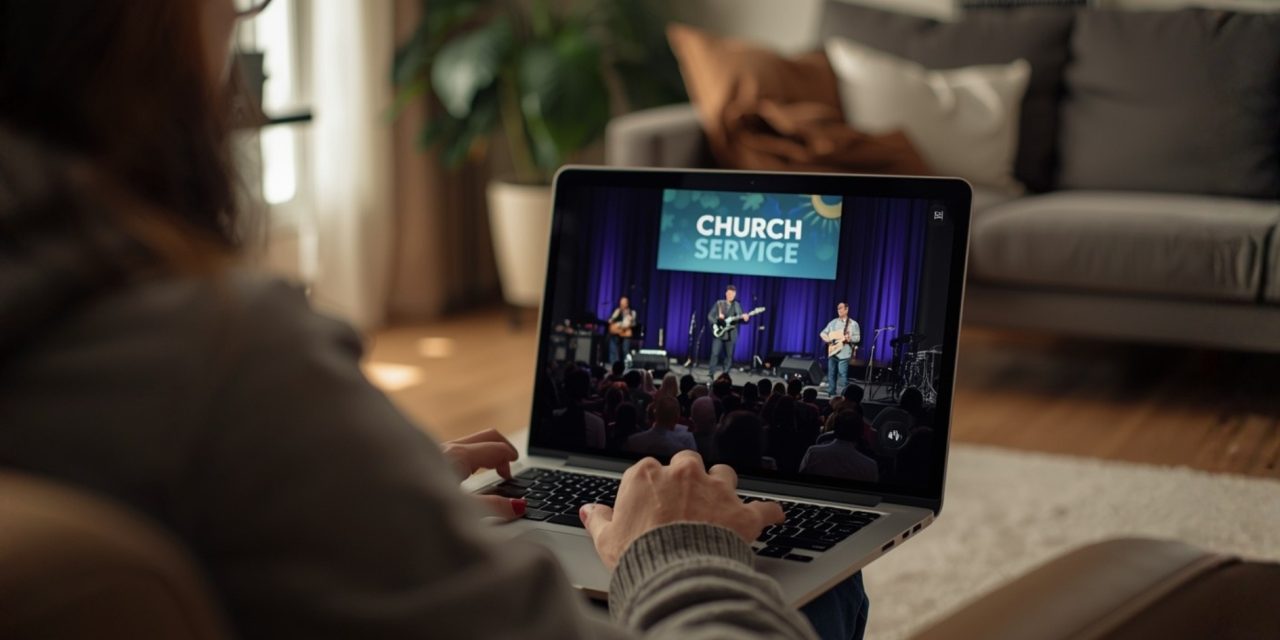
Technology will shape the next phase of worship more than ever before. Live streaming, lyric apps, and digital sermon notes are expanding access to online worship services. Congregations can now engage fully whether in the room or watching remotely.
Churches increasingly rely on platforms like Planning Center to streamline service planning and volunteer coordination. Presentation tools such as ProPresenter deliver dynamic visuals that enhance musical storytelling and atmosphere.
Beyond logistics, immersive worship experiences are growing through lighting design, visual backdrops, and creative transitions. These elements support emotional connection without overpowering theological depth. When balanced wisely, technology becomes a tool for engagement rather than distraction.
The challenge moving forward will be maintaining spiritual authenticity amid increasing production capability. Innovation should amplify worship’s purpose, not replace it.
Conclusion
The future of worship music points toward greater diversity, stronger intergenerational unity, and deeper technological integration. These trends suggest a church eager to honor tradition while embracing innovation. Rather than abandoning its roots, worship is expanding its vocabulary.
As styles blend and tools advance, the heart of worship must remain centered on spiritual transformation. The coming years will likely reveal creative expressions that feel both immersive and reverent. When guided intentionally, these shifts can strengthen community and deepen connection with God.
Is your worship ministry prepared to embrace these emerging trends without losing its spiritual foundation? Explore more forward-thinking worship insights only at DLK Praise and Worship.