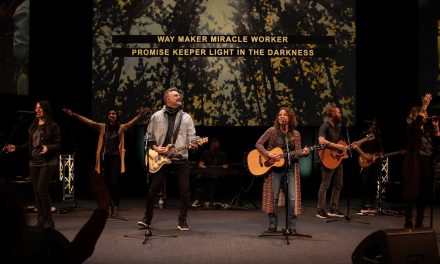
The first rehearsal is still a week away, but the new musician is already wondering what they are walking into.
What songs are you playing? What key are they in? Will there be charts? Where should they park? Are they expected to bring anything? And perhaps the most uncomfortable question: will everyone else already know what they are doing?
A new musician’s first rehearsal begins long before they plug in an instrument or open their mouth to sing. The days leading up to it can shape whether they arrive prepared and confident or spend the evening trying to catch up.
Good preparation is more than administration. It is hospitality and stewardship. Clear information tells a new volunteer that their time matters, while a prepared team and rehearsal space make it easier for them to contribute.
The goal is simple: help the new musician arrive knowing what to expect and feeling genuinely welcome. Two things make that possible: communicating clearly in advance and preparing the team and space to receive them well.
What to Communicate in Advance: Music, Charts, and Expectations
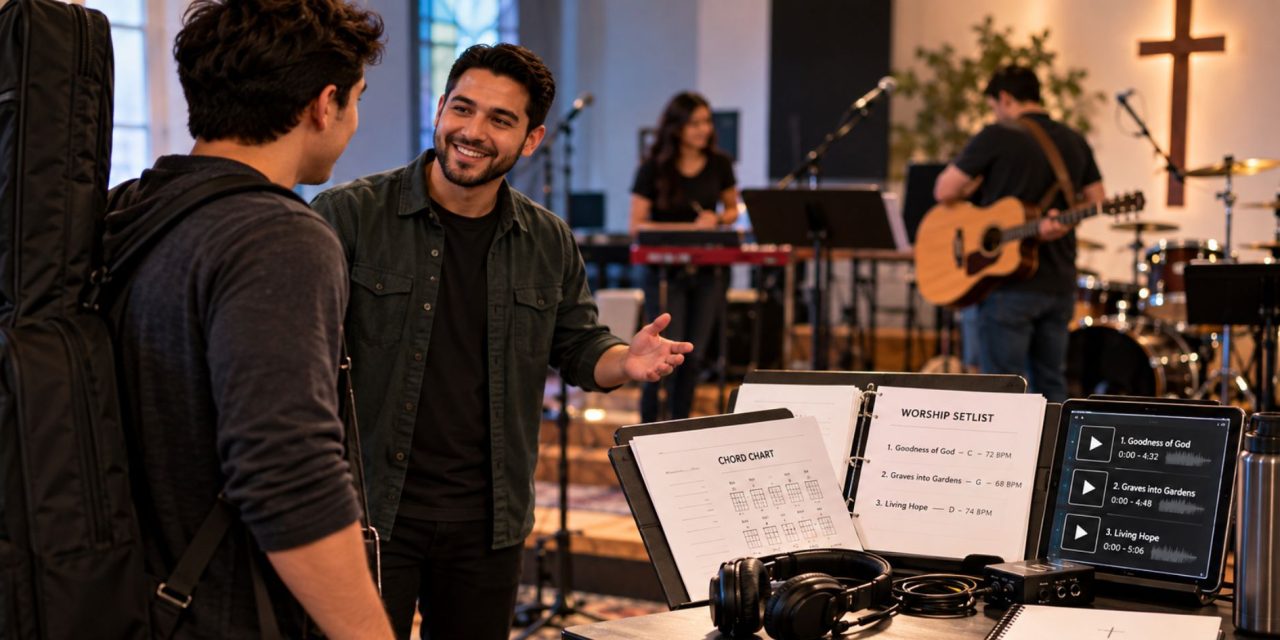
As a worship leader, you’ll want to send the new musician a welcome message at least one week before rehearsal. Put the important information in one organized place rather than scattering it across several texts.
That matters because a first-time volunteer should not have to reconstruct the rehearsal plan from a group chat.
Clarity is more useful than volume. Sending every possible document can create another problem when the musician is already trying to prepare.
Start with the three songs that matter most for the first rehearsal. Additional material can follow once they understand how your team works.
Your message should cover:
- Logistics: rehearsal date, time, location, parking information, and expected duration
- Setlist: song titles, keys, tempos, and any important arrangement notes
- Charts: chord charts or sheet music in the format your team uses, such as the Nashville Number System, lead sheets, or full scores
- Lyric sheets: provide these for singers, including backing vocalists
- Reference recordings: share the relevant recordings and identify timestamps for difficult transitions or segues
- Rehearsal flow: give a simple outline, such as prayer, warm-ups, run-through, and polishing
- Expectations: explain preparation, attire, punctuality, and how your team handles click tracks or in-ear monitors
If your team is preparing for a particular acoustic setting, clear preparation becomes even more important. A musician who knows the arrangement and expectations beforehand can spend rehearsal making music rather than trying to decode the plan. Your team can also draw from practical preparation principles used for acoustic worship settings.
The message should end with an easy way for the musician to confirm they received everything.
For example:
“Reply by Thursday so I know you got this, and text me anytime if something is unclear.”
That simple invitation matters. It gives the new musician permission to ask questions before uncertainty turns into anxiety.
It also helps you discover gaps in your communication. If a new volunteer asks where to find a chart, which version of a song you are using, or whether they need an instrument cable, that information may need to become part of your standard welcome message.
Preparing the Team and the Space for a New Face
Preparation should not stop with the new musician. Your existing team also needs to know someone new is coming.
Brief the team before rehearsal and ask everyone to introduce themselves by name. Remind them to avoid inside jokes, old stories, and unexplained jargon that could make a newcomer feel like they have walked into the middle of a conversation that started years ago.
Assign one person to act as a buddy for the first rehearsal.
That person can greet the musician at the door, help them find their position, assist with setup, and answer the small questions that may feel awkward to ask in front of everyone.
Then prepare the physical space.
Regular team members often stop noticing the small things that make a rehearsal easier. A new musician notices them immediately.
Check that they have:
- A chair and music stand where they will be positioned
- A working power outlet within reach
- Instrument cables, a DI box, or spare strings if required
- A suitable amp or monitor for their instrument
- A monitor mix that allows them to hear the rest of the band
- Water nearby
- A welcome packet containing your ministry’s vision, rehearsal norms, and relevant contact information
A little preparation can remove a surprising amount of uncertainty.
Having their chart printed and waiting is one example. Labeling their music stand with their name is another. Neither gesture costs much, but both communicate that someone expected them to be there.
If your team uses a stage plot, add the new musician’s position before rehearsal. This gives both the sound team and the existing musicians a clear picture of where they belong.
It also prevents the awkward moment when everyone is already set up, and someone has to ask, “Where should we put you?”
These details do not require a large budget or elaborate welcome package. They require attention.
And attention is one of the clearest ways a church music ministry can communicate that a new volunteer is valued before they have played a single note.
Creating that sense of belonging also supports a larger goal: helping the whole church participate rather than leaving worship feeling like something that belongs only to the platform. A thoughtful welcome is one small part of building that culture.
Conclusion
A new musician does not need a perfect first rehearsal. They need enough information to know what is expected and enough preparation to feel that their arrival was anticipated.
Clear communication removes avoidable questions. A prepared team removes social uncertainty. A ready rehearsal space removes small frustrations that can quickly become bigger ones.
Together, those details create a first rehearsal where the new musician can focus on contributing rather than wondering whether they belong.
Have you ever welcomed a new musician only to realize halfway through rehearsal that they never got the chart, the song version, or even the right starting key? DLK Praise and Worship explores practical ways to prepare your worship team before rehearsal so everyone can arrive ready to play.