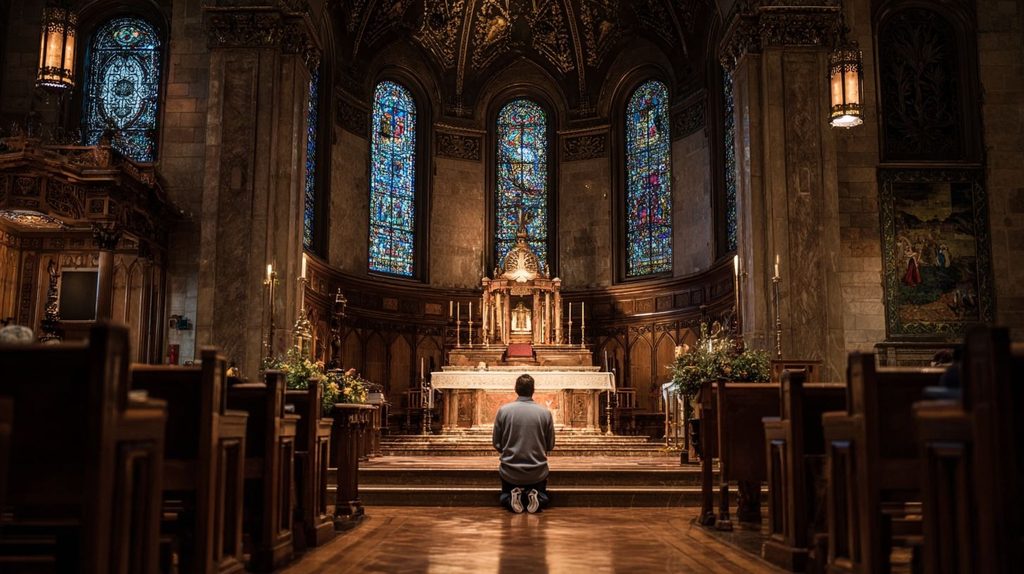
Silence can feel awkward during worship, especially when everyone seems ready for the next song. Yet rushing it can weaken its spiritual impact.
Research from Vanderbloemen suggests worship teams often rush quiet moments under 12 seconds. Protecting these pauses creates room for prayer and deeper reflection.
Several small distractions can also disrupt a contemplative break. Band restarts, coughing, phones, temperature, and lighting can quickly turn sacred silence into uncomfortable noise.
The good news is that these problems have simple solutions. Use the following strategies to protect intentional silence during musical transitions.
1. Stop the Band From Restarting Early
Drummers or guitarists may jump in too soon after a song ends. This cuts short the prayerful hush and removes space for silent prayer.
Use an eye discipline protocol to keep the band from restarting prematurely. The leader maintains eye contact with each player until the planned pause ends.
The next song begins only after the leader gives a clear nod. One team practiced this approach for two weeks.
Their sacred pauses eventually lasted 20 seconds. Congregants also reported stronger experiences during these intentional moments of worship.
2. Break the Coughing Chain
One cough can quickly trigger another during a quiet worship moment. The resulting chain reaction can shatter the reflective atmosphere between songs.
A pre-service announcement script can help prevent unnecessary disruption. Say, “If you feel a cough coming during pauses, cover your mouth and wait for the song.”
Repeat the reminder weekly so people understand the purpose. A church in Texas used this approach and saw coughing drop sharply.
Leaders then noticed longer periods of worship hush and deeper contemplative worship. A small reminder created more room for reflection.
3. Reduce Phone Checking
Bright phone screens can pierce a quiet worship moment. Even a quick glance can interrupt the meditative atmosphere between songs.
Use strategic placement to reduce distractions before the service begins. Encourage worshippers to place phones face down in seats or pockets.
Ushers can gently remind people in the front rows when necessary. One congregation placed phone baskets at the entrances.
The quiet worship environment changed noticeably. Worshippers entered fuller stillness between notes without glowing screens competing for attention.
4. Address Temperature Discomfort
Rooms that feel too hot or cold can create constant movement. Shuffling and sighing quickly disrupt a prayerful transition.
Follow the 68-70 degrees F rule by setting thermostats within that range before worship begins. Test different seating areas for consistent comfort.
A Midwest church maintained a temperature of 69 degrees F. Fidgeting disappeared, allowing the spiritual interlude to become more peaceful.
Comfort may seem unrelated to worship depth, but physical distractions can quickly pull attention away. A comfortable room supports sustained reflection.
5. Avoid Overly Bright Lighting
Harsh overhead lights can make quiet moments feel more like daytime than a sanctuary. They may also make reflective worship feel less intimate.
Use the blue spectrum guide to create a calmer environment. Dim lights toward warm tones under 2700K when the setting allows.
Avoid cool blue LEDs that can create a more energetic atmosphere. Leaders at a California venue switched bulbs and noticed deeper contemplative pauses.
Feedback highlighted the peaceful atmosphere created by the lighting changes. Sometimes, the right environment gives silence room to speak.
Pause Killer Checklist
Use this Pause Killer Checklist when distractions interrupt your worship transitions. Each strategy provides a practical way to restore intentional silence.
- Eye discipline protocol: The leader scans the band and holds the gaze for the planned count. A Phoenix church extended silence after an early drum hit.
- Pre-service announcement script: Broadcast a reminder on screens before worship begins. An Ohio team gained 15 seconds of meditative hush after using this approach.
- Strategic phone placement: Encourage worshippers to store phones quietly before the service. A Florida worship center collected devices and created more reverent pauses.
- 68-70 degrees F rule: Check vents and seating areas before service. A Minnesota group reduced the temperature from 75 degrees F and eliminated distracting movement.
- Blue spectrum guide: Fade lights remotely when transitioning into silence. A Seattle band dimmed the lights mid-service and noticed immediate quiet integration.
Conclusion
Intentional silence does not happen automatically. It requires preparation, communication, and attention to the small distractions that can interrupt a worship moment.
Protecting these pauses gives congregants room to pray, reflect, and breathe between songs. When teams practice these strategies consistently, quiet moments can become meaningful parts of worship.
What could your worship team change this week to give silence more room to deepen the worship experience?
DLK Praise and Worship offers more insights and worship resources to help you think intentionally about creating meaningful moments between songs.