Ever felt God’s whisper pierce the loudest worship set? That one quiet moment between songs holds transformative power.
In the rush of music, sacred pauses foster stillness, echoing biblical examples like Elijah’s cave silence. Backed by psychological studies on reflection’s benefits, we’ll explore designing intentional transitions-from timing guidelines and leader cues to atmosphere tweaks and pitfalls to dodge.
Ready to unlock deeper encounters? Let’s dive in.
The Transformative Impact of One Quiet Moment
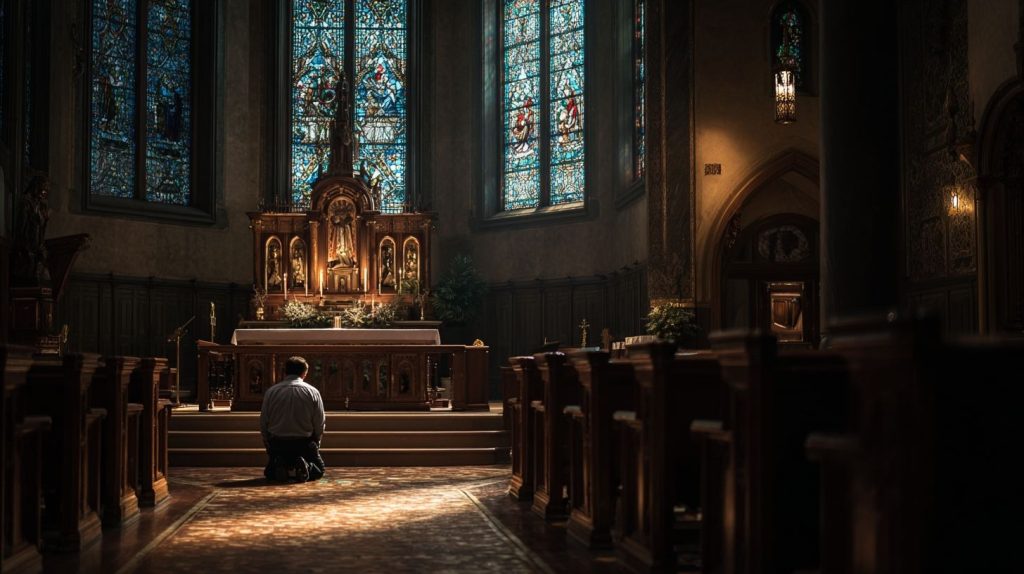
That single 30-second pause between songs can shift a worship service from routine to revelatory. Research suggests many worshippers experience deeper spiritual connection during intentional silence. The absence of sound creates space for divine encounter amid strong musical momentum.
Consider the example of the Brooklyn Tabernacle, where leaders introduced 45-second pauses between songs. Attendees reported profound altar responses during those reflective breaks. A simple adjustment in timing reshaped the spiritual atmosphere of the entire gathering.
Scripture reinforces this pattern. Psalm 46:10 urges believers to “be still and know that I am God.” The story of Elijah hearing God in a whisper, not the wind or fire, reflects the same principle. Neuroscience supports it as well, showing silence allows the brain to process emotion and meaning more effectively.
Experts recommend 20–45 second pauses to foster reflection without losing flow. These sacred intervals prevent rushed transitions and allow lyrics to settle deeply. When intentionally placed, they become catalysts rather than interruptions.
Why Silence Strengthens Worship Flow
Silence in worship is not emptiness. It is an intentional space where divine connection becomes personal. Prayer between songs allows congregations to internalize what they just sang instead of immediately moving on.
Worship leaders consistently report four key benefits from structured pauses:
- Emotional processing: After a ballad on grace, one leader observed softened hearts during a 30-second silence.
- Holy Spirit movement: During a 25-second pause, a woman received healing prayer as others felt prompted to gather around her.
- Heightened anticipation: The hush builds expectancy for the next song, transforming transitions into reverent moments.
- Reduced worship fatigue: Short breaks refresh attention, especially in longer church music sets.
Even artists like Chris Tomlin emphasize building in 20-second pauses so lyrics can settle. Practical cues help make this seamless. Leaders can dim lights slightly, raise a hand gently, or step back from the microphone to signal reflection.
Design matters. Silence should feel intentional, not accidental. Avoid overextending pauses beyond 45 seconds unless clearly led, and resist filling every gap with commentary. When balanced well, these sacred transitions elevate both theology and atmosphere.
Conclusion
Sacred pauses remind the church that worship is not only sung but experienced. In the quiet, emotions settle, theology deepens, and space opens for the Spirit to move. What feels like stillness often becomes the most active spiritual moment of the service.
As churches continue refining set design, intentional silence may prove just as powerful as any anthem. The whisper between songs can carry more weight than the loudest chorus. When leaders honor that space, congregations discover worship that is both vibrant and deeply rooted.
Could the most powerful moment in your next service be the one without music? Discover more worship design insights and leadership strategies at DLK Praise and Worship to create intentional spaces where God’s whisper is heard clearly.