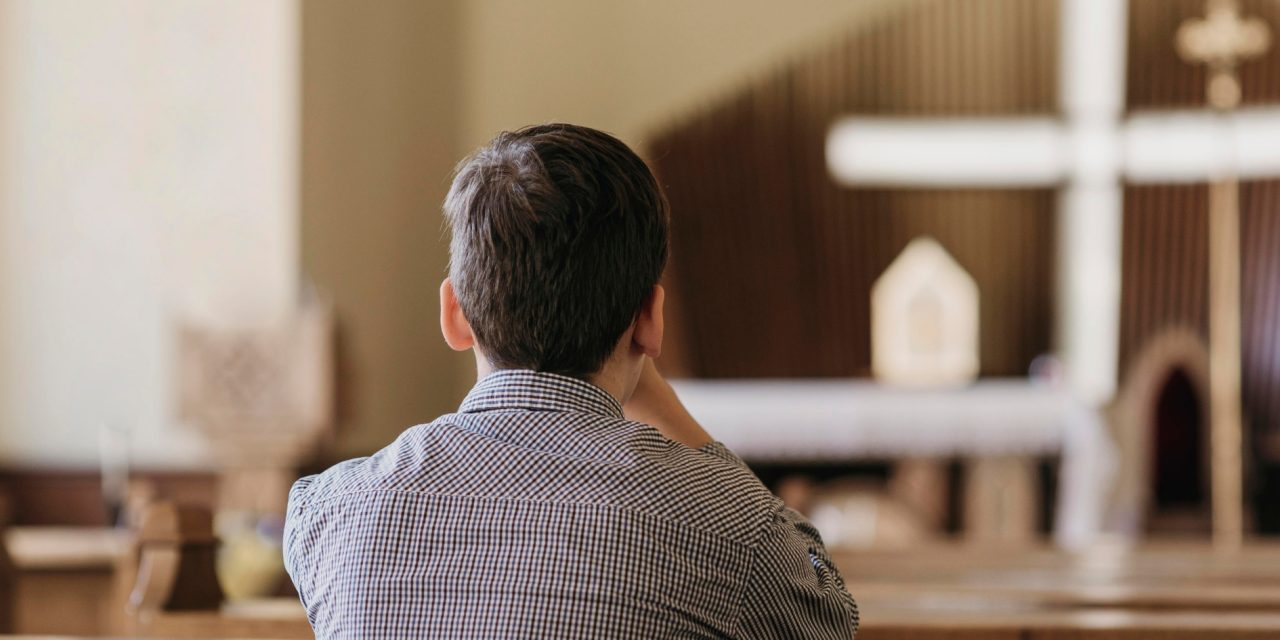
Most worship sets are carefully planned—keys flow, tempos align, transitions are smooth. But one of the most overlooked elements is not another song or sound layer… It is silence. The kind that feels slightly uncomfortable at first, yet deeply necessary when given space to breathe.
Interestingly, Scripture does not treat silence as empty. It presents it as intentional, sacred, and deeply connected to how God reveals Himself. When worship leaders begin to see pauses not as gaps but as part of the design, the entire flow of a service shifts—from continuous sound to meaningful encounter.
Biblical Foundation for Sacred Pauses
The Bible consistently models silence as part of a divine rhythm rather than an absence of activity. In Genesis 1, God’s creative work unfolds in structured phases, marked by natural pauses that establish order and reflection. These moments are not random. They reveal a pattern of intentional pacing that carries into worship.
Throughout Scripture, sacred pauses appear at pivotal moments of encounter. From the quiet in which God speaks to Elijah to the solitude Jesus seeks in prayer, silence becomes a space where clarity replaces noise. These examples show that stillness is not passive—it is often where the deepest spiritual work happens.
In a modern church setting, this translates into what we might call worship pauses—intentional moments between songs that allow truth to settle. Instead of rushing from one chorus to the next, these pauses create room for reflection, prayer, and internal response. They act as spiritual “breathing spaces,” helping congregations process what they have just sung.
When applied thoughtfully, silence becomes part of the worship architecture. It transforms transitions into moments of encounter, shaping a flow that feels less like a performance and more like a conversation with God.
Scriptural Examples of Stillness
Scripture gives clear, practical patterns for how silence functions in moments of divine interaction. These are not abstract ideas—they are models that can directly shape how worship leaders design their sets.
In 1 Kings 19:12, Elijah encounters God not in dramatic displays, but in a still, small voice that follows silence. This passage highlights the importance of creating space after emotional or high-energy moments in worship. When the room quiets, people often become more attentive to God’s voice rather than external stimulation.
In Mark 1:35, Jesus withdraws early in the morning to pray in solitude. This rhythm of stepping away reinforces the value of intentional pauses. In a service context, a brief moment of silence after a song can mirror this practice, giving individuals space for personal prayer instead of constant collective expression.
Psalm 62:5 calls the soul to wait silently before God, emphasizing trust and dependence. This kind of stillness can be woven into musical transitions, where instruments soften or stop entirely, allowing the congregation to rest without needing to sing or speak.
A more striking example appears in Revelation 8:1, where heaven itself falls silent before the unfolding of prayer. This demonstrates that silence can carry weight, anticipation, and reverence. Longer pauses in worship—when used wisely—can create a similar sense of awe and expectation.
Finally, Lamentations 3:26 affirms that it is good to wait quietly for the Lord. This reinforces the idea that silence is not something to avoid or rush through, but something to embrace as part of spiritual formation.
Taken together, these examples show that silence is not filler—it is formative. When worship teams intentionally incorporate it, they create moments that allow truth to move from lyrics into lived experience.
Conclusion
Sacred pauses are not about slowing a service down for the sake of it; they are about giving space for genuine response. When every moment is filled with sound, reflection becomes difficult.
But when silence is introduced with purpose, it allows worshippers to internalize truth, pray personally, and engage more deeply with God. For worship leaders, learning to use silence well is not just a creative choice—it is a biblical one that strengthens both the flow and the impact of a service.
When was the last time a quiet moment in worship impacted you more than a song did?
Let us know in the comments, and stay tuned for more practical worship insights only on DLK Praise and Worship.


