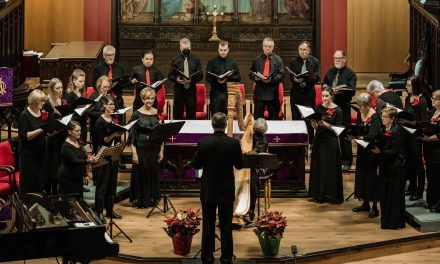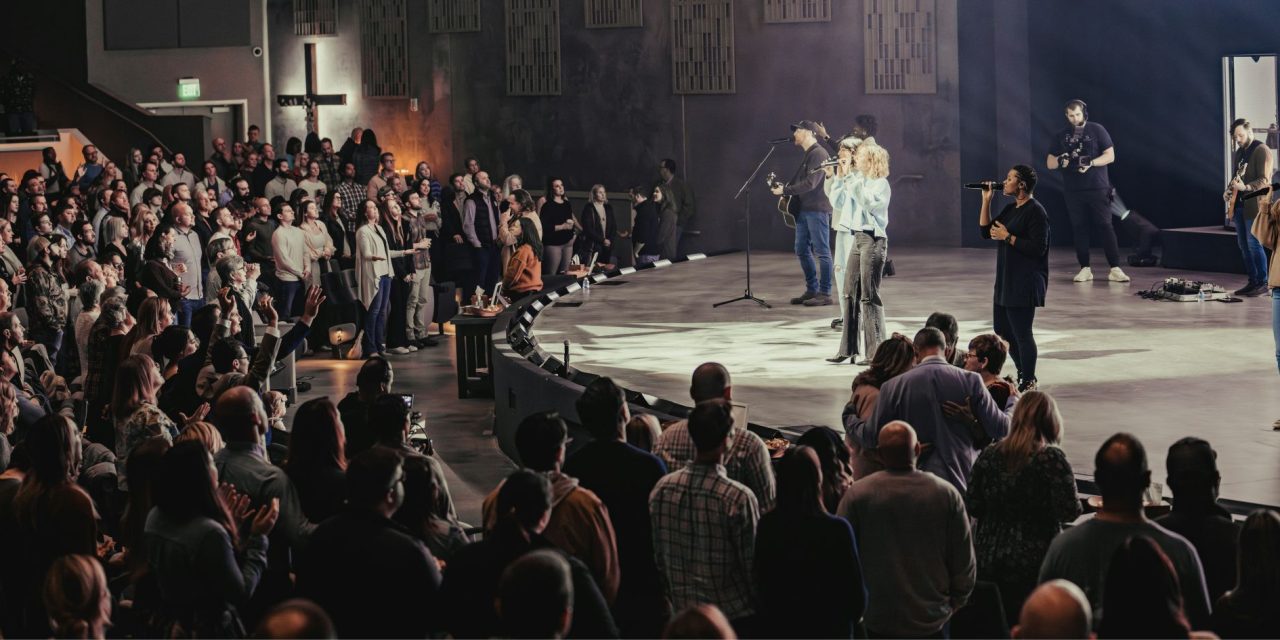
A good acoustic worship night does not need a complicated production plan. Sometimes, fewer instruments, softer transitions, and enough room to breathe can help a congregation focus on worship rather than the stage.
This 115-minute structure includes a five-minute welcome, three worship sets, two ministry moments, 15 minutes of response time, and a closing. It creates a relaxed worship atmosphere while giving leaders enough flexibility to encourage congregational singing, prayer, and reflection.
The timeline can work for intimate settings such as sanctuary acoustics, candlelight worship, family worship, or revival nights. Include 30-second silences between selected songs to create natural transitions and give worshippers space to reflect.
Flow and Timing Guide
The structure moves from welcome and adoration toward surrender, response, and commissioning. Acoustic guitar, minimal microphones, and light percussion can keep the sound natural without overwhelming the room.
Leaders can also encourage call-and-response echoes, harmony singing, and simple participation throughout the evening. The goal is not perfect performance. It is creating a worship environment where the congregation can actively participate.
| Time | Element | Song/Activity | Leader Notes |
| 7:00-7:05 | Welcome | Greeting + Psalm 100 | Stand at the front with acoustic guitar. Read Psalm aloud and invite a simple clapping rhythm. Welcome newcomers warmly. |
| 7:05-7:15 | Opening Song | How Great Thou Art — unplugged arrangement | Use simple strumming and encourage group singing from the first chorus. Keep the arrangement accessible. |
| 7:15-7:25 | Worship Set 1 | 10,000 Reasons | Allow 30 seconds of silence before the song. Use a fingerstyle guitar intro and encourage thanksgiving through responsive reading. |
| 7:25-7:35 | Ministry Moment | Scripture Reading + Prayer | Share a short testimony and invite prayer requests. Keep the atmosphere reverent and unhurried. |
| 7:35-7:50 | Worship Set 2 | What a Beautiful Name + Goodness of God | Use a 30-second transition. Teach simple chorus echoes and build toward joyful worship with light shaker percussion. |
| 7:50-8:05 | Ministry Moment | Testimony Sharing | Share two or three brief stories of faith. Transition with a simple unity song before continuing. |
| 8:05-8:20 | Worship Set 3 | Reckless Love + Holy Spirit | Allow 30 seconds of silence before the set. Encourage part singing and slow the arrangement for contemplative worship. |
| 8:20-8:35 | Response Time | Altar Ministry + Intercession | Use soft vocal worship underneath prayer. Allow quiet reflection and give people space to respond personally. |
| 8:35-8:45 | Closing Song | It Is Well — acoustic hymn version | Offer a seated worship option. Emphasize surrender and finish with a commissioning prayer. |
| 8:45-8:55 | Close | Benediction + Coffee Fellowship | Announce refreshments and upcoming acoustic nights. Send the congregation out with a Great Commission focus. |
Creating a Relaxed Worship Atmosphere
The strength of an acoustic worship night often comes from its simplicity. Acoustic guitar and minimal microphones can create a warmer sound while leaving room for congregational voices.
Short silences between sets can also prevent the evening from feeling rushed. Thirty seconds may seem small, but that pause can give worshippers time to pray, reflect, or simply absorb the previous song.
Leaders should also avoid treating participation as a performance requirement. Encourage singing, harmony, clapping, or raised hands without making any response feel forced.
The evening should feel spacious enough for worship to breathe.
Adapting the Flow for Different Events
This structure can work beyond a regular church worship night. Families can use a shorter version at home, while churches can adapt it for revival nights, prayer gatherings, youth events, or special services.
The individual songs can also change according to the congregation. Timeless hymns can sit alongside contemporary worship songs, while simpler arrangements can make unfamiliar songs easier to learn.
For beginner worship leaders, the schedule provides a useful starting point without requiring a complicated production setup. Leaders can adjust the songs, transitions, and ministry moments while keeping the overall progression intact.
Conclusion
A well-planned acoustic worship night does not need elaborate staging to create meaningful participation. A clear flow, familiar songs, intentional pauses, and space for prayer can help a congregation move naturally from praise toward surrender and response.
The schedule is flexible enough for different church settings while giving worship leaders and volunteers a practical framework to follow. Sometimes, making worship simpler gives everyone more room to join in.
Could simplifying your worship flow actually create more room for your congregation to participate, reflect, and connect with God?
DLK Praise and Worshipfr explores practical ways to make that happen through thoughtful song choices, intentional transitions, and worship spaces that leave room to breathe.