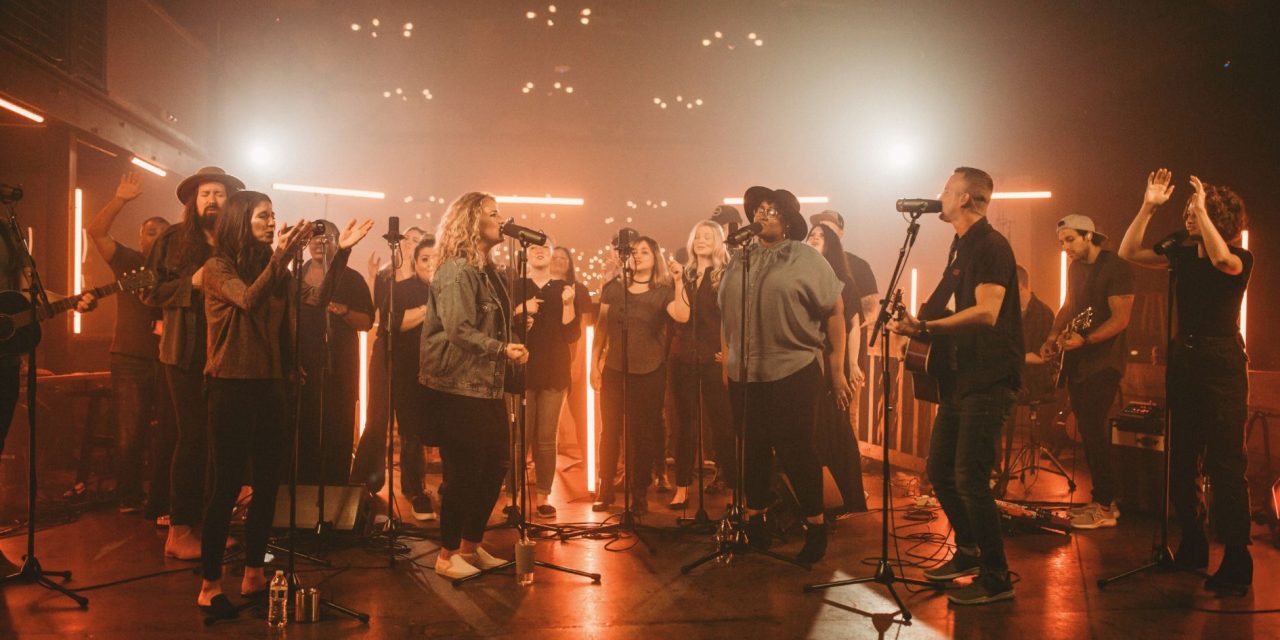
Acoustic worship nights feel effortless when they are done well. A guitar, a few voices, and a quiet room can create powerful moments of congregational worship. Behind that simplicity, however, is careful preparation that keeps the night flowing naturally instead of feeling rushed or awkward.
A structured timeline helps worship leaders stay organized while preserving the intimacy that makes unplugged worship so impactful.
Start Early With Venue and Worship Planning
Following a six-week timeline keeps acoustic worship planning manageable and stress-free. The process usually takes around 12 hours total, making it realistic even for beginner worship leaders and volunteer teams.
The first priority is confirming the worship space. Sanctuaries, chapels, and prayer rooms all respond differently acoustically, especially during no-amplification worship. Visiting the venue early allows leaders to test natural reverb, room warmth, and seating layouts before rehearsals begin.
Song selection should also begin early. Familiar worship songs like How Great Is Our God work well because they naturally encourage congregational singing. Mixing contemporary worship with hymns can create a balanced worship flow that feels both intimate and accessible.
Acoustic worship nights also benefit from simplicity in team structure. Most churches only need:
- a worship leader
- acoustic guitar
- one or two vocalists
- optional testimony sharing
This smaller format creates space for prayer, reflection, and spiritual intimacy without overwhelming the room.
Weeks 6–4: Book Venue and Team
The early weeks focus on logistics and volunteer coordination. Secure the sanctuary, chapel, or prayer room while confirming the room supports a quiet worship atmosphere.
Recruit volunteer musicians early so rehearsals remain relaxed rather than rushed. Smaller worship teams usually work best for acoustic settings because they leave more room for congregational participation and natural dynamics.
This phase is also ideal for adjusting the worship night around seasonal themes such as Advent, Lent, or youth worship gatherings.
Weeks 3–2: Finalize the Setlist
During this stage, finalize around 10 songs alongside a few simple worship medleys. Focus on songs with:
- easy chord progressions
- familiar melodies
- strong singability
- smooth transitions
Blending hymns with contemporary worship songs helps maintain variety without disrupting the flow. A medley using Amazing Grace alongside modern worship songs can create extended worship moments that feel seamless and reflective.
This is also the best time to structure:
- testimony sharing
- scripture readings
- prayer transitions
- interactive worship moments
Week 1: Full Rehearsal and Sound Check
The final week should focus on polishing transitions and creating comfort within the team rather than chasing perfection.
Rehearsals should include:
- harmony practice
- strumming consistency
- capo placement
- vocal blending
- call-and-response sections
Even acoustic worship benefits from minimal sound checks if microphones are involved. Testing vocal balance early prevents distractions during the worship night itself.
Event Week: Promotion and Final Setup
Promotion should happen several days before the event through:
- church bulletins
- social media
- flyers
- Sunday announcements
Simple staging works best for acoustic worship. A stool, soft lighting, and minimal equipment often create a more reverent atmosphere than elaborate setups.
Seating arrangements also shape participation. Closer seating layouts usually encourage stronger congregational engagement and community connection.
Conclusion
Acoustic worship nights thrive on intentional simplicity. Careful planning allows worship leaders to create peaceful, intimate gatherings without unnecessary stress or overproduction. When timelines, rehearsals, and worship flow are handled early, the church can focus less on logistics and more on meaningful worship together.
What is your favorite part about acoustic worship nights: the quiet atmosphere, the raw worship moments, or hearing the whole room sing together?
Tell us in the comments, and keep growing your worship gatherings with DLK Praise and Worship!