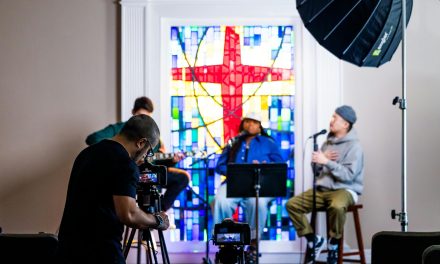
Every church has that one song people sing just a little louder.
It’s rarely because it has the biggest chorus or the catchiest melody. More often, it’s because the lyrics sound familiar. They echo the prayers people have prayed, the valleys they’ve walked through, and the victories they never thought they’d see. That’s the unique strength of testimony-centered worship songs. They invite congregations to sing not only about God’s character but about His faithfulness in real life.
The Authenticity That Congregations Recognize
One reason testimony songs stand out is that they feel honest.
Rather than relying on general expressions of praise, they describe moments of struggle, breakthrough, doubt, forgiveness, or transformation that many believers have experienced themselves.
A simple lyric like:
“You found me when I couldn’t find my way.”
often resonates more deeply than abstract theological language because listeners immediately connect it to their own journey.
That authenticity allows worshippers to move beyond singing lyrics and begin remembering God’s faithfulness in their own lives.
Why Personal Stories Create Stronger Worship
Throughout Scripture, God’s people repeatedly told stories of what He had done.
From David’s psalms to the testimonies shared by the early Church, personal encounters with God became powerful reminders of His character and faithfulness.
Modern worship writers continue that tradition.
Artists associated with ministries such as Hillsong Worship, Bethel Music, Elevation Worship, and others frequently weave themes of redemption, restoration, and personal transformation into their songwriting. Rather than replacing biblical truth, these stories help listeners see biblical truth lived out in everyday life.
That combination of doctrine and testimony often creates songs that remain meaningful long after the first listen.
Why Testimony Songs Stay With People
Stories naturally capture attention.
Psychologists often point to narrative as one of the most effective ways humans process emotion, remember information, and build empathy. Worship is no different.
When listeners hear lyrics describing fear giving way to peace, brokenness turning into healing, or hopelessness becoming hope, many begin recalling similar moments from their own walk with God.
That emotional connection makes testimony songs easier to remember, easier to sing, and often more impactful during corporate worship.
What This Means for Worship Songwriters
For today’s worship writers, authenticity matters as much as creativity.
Instead of trying to write songs that simply sound “big,” many are discovering the power of writing songs that sound real.
Some practical ways to develop testimony-centered songwriting include:
- Write from personal experiences of God’s faithfulness.
- Include specific moments rather than vague descriptions.
- Balance honest struggles with biblical hope.
- Allow vulnerability without losing theological depth.
- Focus on stories that invite others to see their own testimony.
When people recognize themselves in a song, they often begin singing it with greater conviction.
Why Churches Are Embracing Testimony-Centered Worship
Churches are also discovering that testimony songs help strengthen congregational identity.
When worship reflects real-life faith journeys, it reminds believers that God is still working in ordinary people today.
These songs encourage openness, spark conversations, and often create opportunities for members to share their own testimonies beyond the music itself.
Rather than simply filling a worship set, testimony-centered songs become reminders that every believer has a story worth telling.
Conclusion
Modern worship isn’t changing because churches need more songs. It’s changing because people are looking for songs that honestly reflect what God is doing in real lives.
Testimony-centered songwriting brings together biblical truth, personal experience, and authentic worship in a way that resonates deeply with today’s congregations. As more worship writers embrace vulnerability alongside sound theology, these songs will likely continue shaping the future of corporate worship for years to come.
Every believer has a testimony, but not every testimony becomes a song. If your faith journey were turned into a worship lyric, what part of your story would you want people to sing? Join the conversation with DLK Praise & Worship.