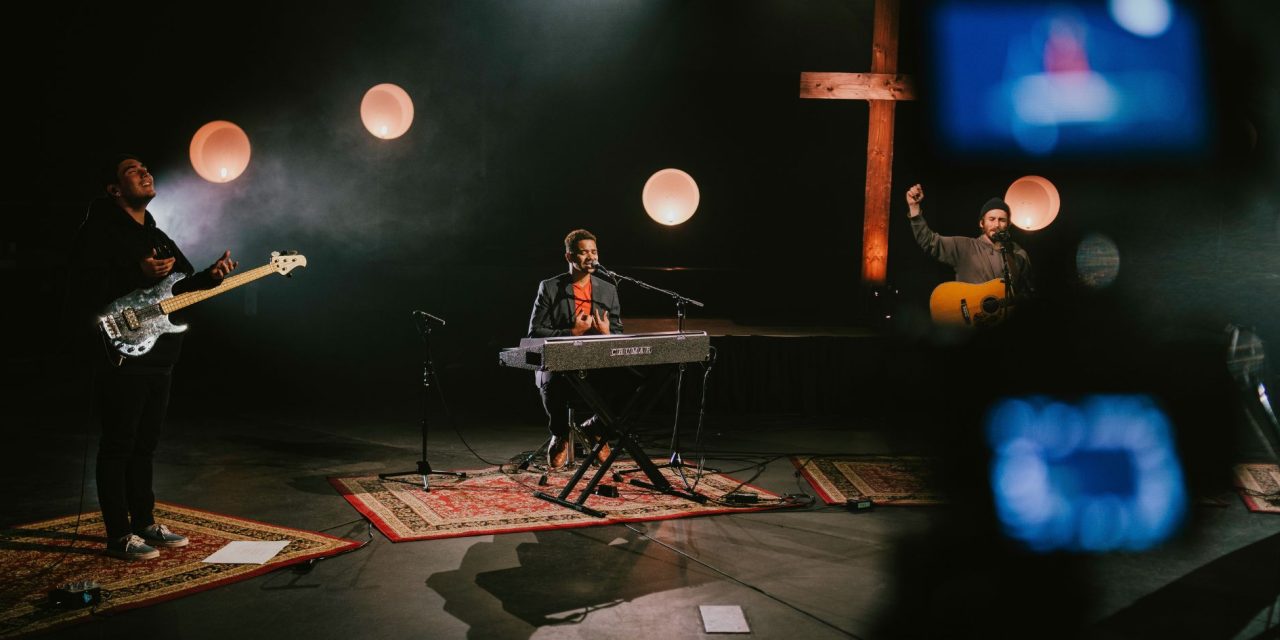
A worship song can sound incredible in the studio and still leave a congregation wondering when they are supposed to join in. Catchiness alone does not make a song congregational.
Testing new songs before adding them widely can reveal whether they genuinely work for corporate worship. Three useful methods include a 50-person live test, multitrack recording analysis, and a post-service survey.
These methods help distinguish a catchy song from an evergreen worship chorus built for congregational singing. Worship leaders can use this process to encourage unity, participation, and heartfelt singing.
Follow a Seven-Step Testing Protocol
Begin by preparing capo charts in five keys: G, C, D, A, and E. These keys allow you to test different options for untrained singers and varying vocal ranges.
Record three takes per key using a worship band setup with guitar-based accompaniment. Focus on unison singing rather than harmony parts or heavy reverb.
This approach reveals how the melody and vocal range perform across different groups. It also helps identify whether singers experience strain or struggle to follow the song naturally.
Next, create a survey that rates tempo, vocal range, lyrics clarity, melody, and overall singability. Ask participants to score each category from 1 to 10.
During live testing, use a decibel meter to compare congregation volume with the worship leader. Strong participation can provide useful evidence that people are actively engaging with the song.
Set a 60% approval threshold before advancing a song for wider use. Test with untrained volunteers, including families, children, and older adults, to better represent a real congregation.
Finally, compare results against established songs such as It Is Well, which scores 9.2/10 for singability and theological depth. This helps establish a practical standard for evaluating new congregational anthems.
The goal is to prioritize songs that people can genuinely sing rather than songs designed primarily for performance. Simple melodies, repeatable phrases, clear lyrics, and comfortable ranges should remain central.
Use a Printable Survey to Capture Honest Feedback
Create a printable survey for post-test feedback on each worship song. Ask participants to evaluate melodic range, phrasing, breath marks, lyrics, and overall ease of singing.
| Category | 1-10 Score | Comments |
| Tempo/BPM | Too fast or slow? | |
| Vocal Range | High or low strain? | |
| Lyrics Clarity | Memorable and biblical? | |
| Melody | Simple and repeatable? | |
| Overall Singability |
Distribute the survey after each live test or recording session. Tally the results and compare them against your 60% approval threshold.
Look beyond the numbers when reviewing responses. A song might score well overall while still creating problems with difficult lyrics, awkward phrasing, or an uncomfortable range.
Include open questions about whether the lyrics clearly point toward God and whether the average voice can sing the melody comfortably. These responses can reveal issues that numerical scores might miss.
Use established songs such as 10,000 Reasons as additional references for strong vertical worship. This process helps identify potential filler songs before they reach your regular setlist.
Build a Worship Metrics Dashboard
A simple worship metrics dashboard can make testing results easier to compare. Log participation percentages, survey averages, and decibel readings from each 50-person test.
| Metric | Target | Result | Benchmark (It Is Well) |
| Participation % | 80%+ | 92% | |
| Average Singability Score | 8/10 | 9.2/10 | |
| Decibel Ratio | 1:1 | 1.2:1 | |
| Approval Threshold | 60%+ | 95% |
Update the dashboard after multitrack analysis and post-service surveys. Comparing results across keys, tempos, and groups can reveal patterns that individual tests may miss.
The data can show whether a song genuinely supports corporate worship or simply works as a catchy performance song. Over time, these comparisons can help worship teams recognize songs with lasting congregational potential.
Conclusion
Testing worship songs before introducing them widely can save worship teams from discovering problems in front of the entire congregation. A song may sound brilliant until everyone tries to sing it together.
A structured process makes those problems easier to identify. Live participation, recording analysis, surveys, and measurable benchmarks can help worship leaders choose songs that invite genuine participation.
Have you ever introduced a song that sounded amazing on stage, only to hear the congregation go completely quiet? Discover more worship insights at DLK Praise and Worship.