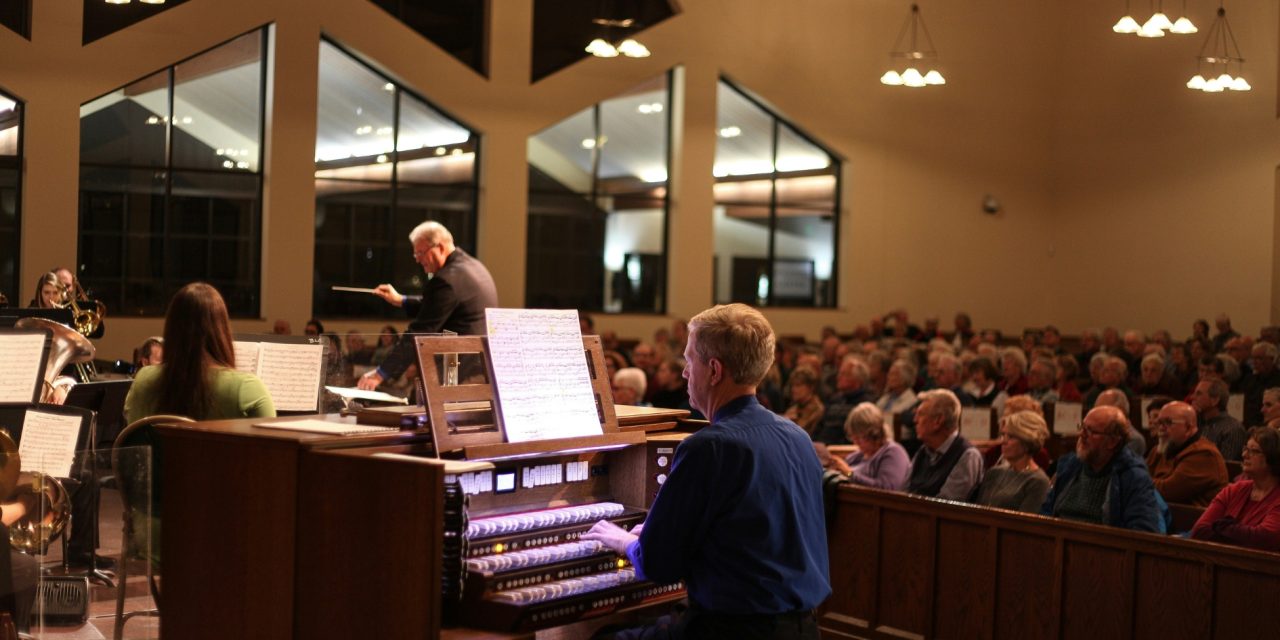
Ever noticed how some worship choruses instantly fill a room, while others fade into hesitant mumbling by the second line? It is rarely about how “good” the song is. It usually comes down to how easy it is to sing.
This piece breaks down the practical elements that shape singability in worship choruses. From vocal range and melodic structure to lyrical clarity and repetition patterns, these are the factors that determine whether a song works in a real congregation, not just on a recording.
Singability as a Core Principle
Singability determines whether a worship song lasts in a congregational setting. Classics like Amazing Grace remain widely sung because they sit comfortably within common vocal ranges. Songs that stretch beyond 1.5 octaves often struggle during live use.
Research from Worship Leader Magazine shows that songs within a 65–85% tessitura range increase participation. Additional studies note that congregations tend to sing more confidently when melodies stay below C5. These patterns highlight the importance of vocal accessibility.
Worship movements like Hillsong Worship and Bethel Music consistently refine songs through live testing. Their approach prioritizes melodic range and phrasing that support unity rather than performance.
Using keys such as C, G, or D helps maintain accessibility. Adjusting songs to fit the average voice of a congregation ensures that participation remains strong across different groups.
Simple Melodies and Ranges
Melodic simplicity plays a central role in singability. Keeping phrases within 10–13 notes and staying in a comfortable tessitura allows untrained voices to follow along without strain.
The ideal congregational range typically sits between one and one-and-a-half octaves. Songs that exceed this range often become difficult to sustain in group settings.
| Song | Range | Notes |
| 10,000 Reasons | G3–E4 | Perfect for congregation |
| Oceans | C4–A5 | Problematic high notes |
| In Christ Alone | A3–D5 | Balanced, singable |
| Shout to the Lord | G3–D5 | Accessible chorus |
| Build My Life | A3–E5 | Moderate range |
| What a Beautiful Name | B3–F#5 | Requires transposition |
Helpful guidelines for selecting singable songs:
- Keep the highest note within one step above the congregation’s average range
- Test songs in keys like C, G, or D
- Avoid large melodic leaps unless used sparingly
- Focus on repeatable melodic phrases
These practices support consistent participation and help songs remain usable over time.
Lyrical Accessibility
Lyrics influence whether a congregation can engage quickly and confidently. Clear, understandable language allows both new and regular attendees to follow along without hesitation.
Songs like Holy Spirit focus on direct, God-centered expression, while others balance personal reflection with theological meaning. Blending doctrine with relatable language supports both depth and accessibility.
Songs that combine clear biblical themes with everyday phrasing tend to remain in use longer. They encourage participation by making meaning easy to grasp during live worship.
Clear Theology and Relatable Language
Effective worship lyrics often sit at a readable level with concrete imagery. For example, Cornerstone uses clear metaphors that are easy to follow in a congregational setting.
Comparisons across songs show how clarity and depth interact:
- In Christ Alone: Strong scripture-based structure and theological depth
- 10,000 Reasons: Simple, gratitude-focused language
- Reckless Love: Emotional emphasis with lighter doctrinal framing
- Build My Life: Personal surrender with biblical themes
- What a Beautiful Name: Clear focus on God’s nature in accessible language
Balancing clarity and meaning ensures that lyrics are both understandable and spiritually grounded.
Memorability Without Complexity
Memorable worship songs rely on familiarity rather than complexity. Simple chord structures and repeated sections help both musicians and congregations stay aligned.
Songs like How Great Thou Art demonstrate how predictable progressions support long-term use. Repetition strengthens recall, making songs easier to sing without preparation.
This approach keeps the focus on participation rather than performance, allowing the congregation to engage more fully.
Repetition and Familiar Patterns
Repetition is a key factor in making worship choruses easy to retain. Choruses repeated multiple times with the same melody and lyrics help build familiarity quickly.
Common structural patterns include:
- Verse–chorus–verse–chorus–bridge–chorus for gradual build
- Continuous four-chord loops for simplicity
- Traditional hymn forms for familiarity
- Build-and-release structures for dynamic flow
These patterns support unison singing across different vocal ranges and skill levels.
| Section | Chords (Blessed Be Your Name – Matt Redman) | Repetition Notes |
| Chorus | G – D – Em – C (x3–5) | Same melody and lyrics each time |
| Verse | G – D – Em – C | Leads into chorus |
| Bridge | C – G – D – Em | Returns to chorus |
This structure keeps songs consistent and easy to follow during live worship, reinforcing singability across the entire congregation.
Conclusion
Singability shapes how worship songs function in real settings. Through accessible melodies, clear lyrics, and familiar structures, songs become easier to share across a congregation.
These elements work together to support participation, helping worship move from listening to collective expression.
Have you ever noticed a song the whole room sings effortlessly compared to one people struggle with?
Let us know in the comments and keep building stronger worship sets with DLK Praise and Worship, where every detail serves the moment of worship.


