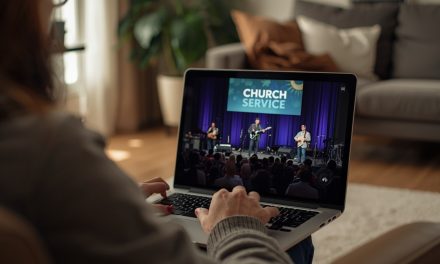
Technology changes quickly. Worship, however, has never been about chasing the newest trend. The challenge for today’s worship ministries is finding creative ways to use modern production tools without losing the heart of biblical praise. When used wisely, technology can strengthen worship songs, support church ministries, and help more people encounter the Gospel through music.
The future of worship music production is not defined by bigger studios or expensive equipment. It is shaped by collaboration, accessible technology, and a shared desire to create songs that serve the Church with excellence.
Collaboration Is Transforming Worship Music Production
Many of today’s worship songs are the result of creative partnerships rather than individual efforts. Emerging worship artists increasingly work with experienced producers, arrangers, and songwriters to refine both their message and musical style. These collaborations often produce songs that connect with local churches while remaining suitable for personal worship.
Platforms such as SoundBetter have made those connections easier than ever. Worship musicians can discover producers, mix engineers, and session players whose experience aligns with their ministry goals.
Distribution platforms also play an important role.
Services like Spotify and YouTube allow collaborative worship projects to reach congregations well beyond their home churches. Instead of focusing solely on streaming numbers, many worship ministries use these platforms to share songs that encourage faith, equip worship teams, and introduce biblical truth through music.
Technology Is Expanding Ministry Opportunities
Modern production no longer depends on everyone being in the same room. Worship teams can now write, rehearse, record, and review songs from different locations without slowing the creative process.
Tools such as Zoom support virtual songwriting sessions, production meetings, and rehearsals. Meanwhile, SoundCloud provides a convenient space for sharing demos, exchanging feedback, and refining arrangements before recording a final version.
Social media has also become part of the production journey.
Many worship ministries now post rehearsal clips, studio sessions, and songwriting updates on Instagram, TikTok, and YouTube. These behind-the-scenes moments invite encouragement from fellow believers while helping churches introduce new worship songs before they are officially released.
Conclusion
The future of worship music production is less about keeping pace with technology and more about using it with purpose. Collaboration, digital tools, and online platforms continue to remove barriers, making it easier for worship ministries to create music that glorifies God and serves the Church.
As production methods evolve, the mission remains the same: to produce worship songs that faithfully point people to Christ and inspire genuine praise.
How could your worship ministry use today’s production tools to create songs that make a lasting spiritual impact? Explore more articles on worship songwriting, music production, and church ministry at DLK Praise and Worship.