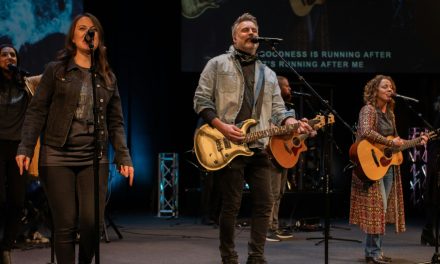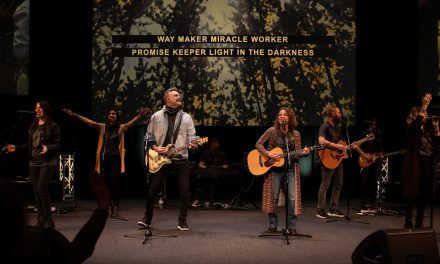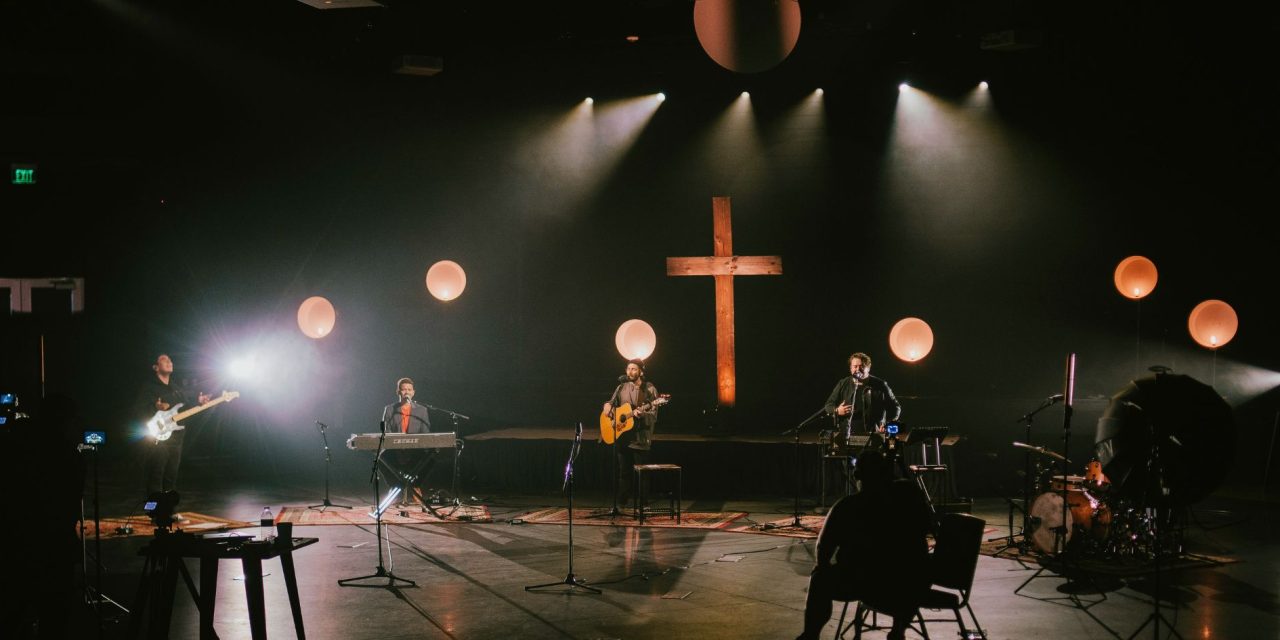
If someone says “worship night,” it’s easy to picture a full band, glowing stage lights, and enough cables to trip half the team.
Yet some of the most memorable worship experiences begin with little more than an acoustic guitar, a cajón, and voices lifted together in praise. The secret isn’t having more musicians. It’s preparing a small team that leads with unity, confidence, and genuine worship.
Build a Small but Purposeful Worship Team
An intimate acoustic worship night does not require a large group of musicians. A team of one guitarist, one vocalist, and one cajón player is often enough to create a warm, inviting sound that encourages congregational participation.
Each member should have a clear role.
The guitarist provides the musical foundation through fingerstyle playing or gentle strumming. The vocalist confidently leads the congregation, while the cajón player adds subtle rhythm without overpowering the acoustic arrangement. Rather than depending on sheet music, team members should learn the songs well enough to worship naturally and maintain meaningful eye contact with the congregation.
Dynamics deserve equal attention.
Practice soft, reflective verses before gradually building into stronger choruses. This natural progression helps fill the room without relying on excessive volume, creating a worship experience that feels both intimate and engaging.
Follow a Structured Rehearsal Plan
A consistent rehearsal schedule helps the team lead with confidence instead of uncertainty. Preparing over several weeks also allows musicians to focus on both musical excellence and spiritual readiness.
Week 1 – Individual preparation (2 hours)
- Learn the first 10 worship songs independently.
- Practice chord progressions, capo placement, and vocal parts.
- Begin each rehearsal with vocal warm-ups and finger independence exercises.
- Record practice sessions using a smartphone to review timing and dynamics.
Week 2 – Team rehearsal (3 hours)
- Rehearse the complete setlist together.
- Practice smooth transitions between songs and worship medleys.
- Refine dynamics so every instrument supports the congregation rather than competing with it.
Week 3 – Full worship run-through
- Perform the entire 90-minute set without interruption.
- Include spontaneous moments such as call-and-response or echo singing where appropriate.
- Practice visual communication and worship leading instead of simply performing.
Event day
- Arrive early for a 45-minute sound check.
- Test room acoustics, especially if using little or no amplification.
- Make final adjustments before welcoming the congregation.
Conclusion
Preparing a worship team goes beyond learning songs and perfecting transitions. It involves building unity, serving one another, and creating an environment where the congregation can focus fully on God.
Whether your team consists of three musicians or many more, intentional preparation helps every worship night become a genuine expression of praise rather than simply another performance.
How does your worship team prepare for meaningful acoustic worship nights? Discover more worship leadership tips, ministry resources, and church music insights at DLK Praise and Worship.