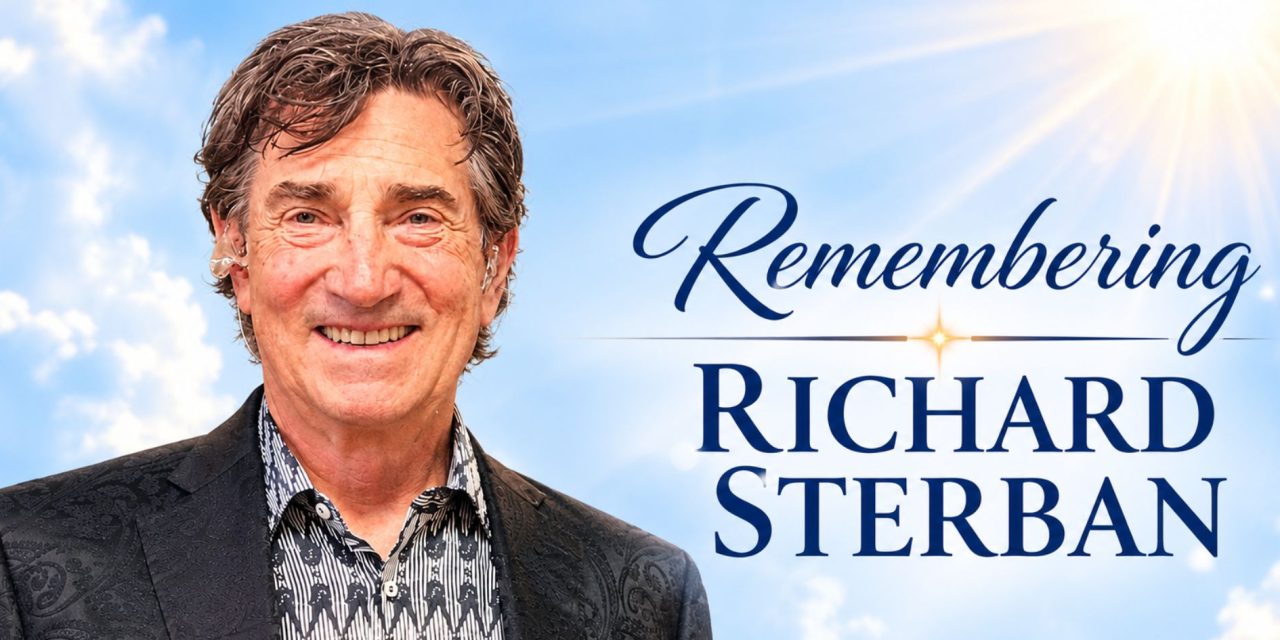
Richard Sterban, the longtime bass singer of the Oak Ridge Boys, died on November 14, 2026. His family and the band announced his death, with the Associated Press confirming the news.
Many listeners will remember him through the unmistakable bass refrain in “Elvira.” Yet his career offers another perspective for church singers: how a bass voice can anchor a quartet without competing with its lead.
From Gospel Quartet Singing to the Oak Ridge Boys
Before joining the Oak Ridge Boys in 1972, Sterban sang with J.D. Sumner and the Stamps Quartet. The gospel group also backed Elvis Presley, giving Sterban experience in a demanding vocal tradition.
The Country Music Hall of Fame and Museum traces the Oak Ridge Boys’ beginnings to a gospel quartet. Sterban therefore joined a group with roots that closely matched his own musical background. His transition brought together years of gospel quartet experience and a group already moving between gospel and country music.
That gospel foundation remained visible long after the band’s country hits. Their 2015 album, Rock of Ages: Hymns and Gospel Favorites, credits Sterban alongside Duane Allen, Joe Bonsall, and William Lee Golden. Gaither Music’s release notes identify Ben Isaacs and Allen as producers. They also describe the project as a return to the group’s musical roots.
For church singers, the album offers a useful listening starting point. Its familiar material brings together four voices shaped by decades of performing together. More importantly, it provides an opportunity to hear how each part contributes to the overall blend.
Hearing the Bass Part Beyond Its Lowest Notes
Start with “Just a Little Talk With Jesus,” listed on the group’s album page. Listen once while following the lead, then play it again with attention on the lowest voice. Notice how the bass supports the phrase rather than simply adding depth.
Does the low part help you hear where a musical phrase settles? Can you follow the lead clearly while the bass supports the harmony underneath? These questions reveal more about quartet bass singing than simply identifying its lowest notes.
“Elvira” provides a different example of Sterban’s contribution. In the band’s account of the recording session, producer Ron Chancey recalls asking Sterban to sing the low refrain. The bass part became one of the song’s defining hooks.
In a hymn arrangement, the same voice can serve a quieter purpose. Rather than taking the spotlight, it helps establish the harmony and gives the other singers a stable foundation. The musical role remains important, even when listeners do not consciously follow it.
What Church Quartets Can Learn From Sterban
A practical way to explore Sterban’s approach is to use a hymn your quartet already knows. Sing one verse together, then repeat it with the bass singer focusing on clear entrances and coordinated releases.
Ask someone listening from across the room whether the melody remains easy to hear. Check whether the final chord sounds settled and whether the voices blend naturally. If the lead becomes difficult to follow, adjust the balance before asking the bass singer to reach lower notes.
Sterban’s journey from the Stamps Quartet to the Oak Ridge Boys shows how gospel experience can shape a lasting vocal contribution. His work on Rock of Ages also gives church singers a familiar setting for studying harmony and blend.
What makes a quartet sound unified when every voice has a different job? Explore more stories of gospel artists, vocal traditions, and Christian music on DLK Praise and Worship.