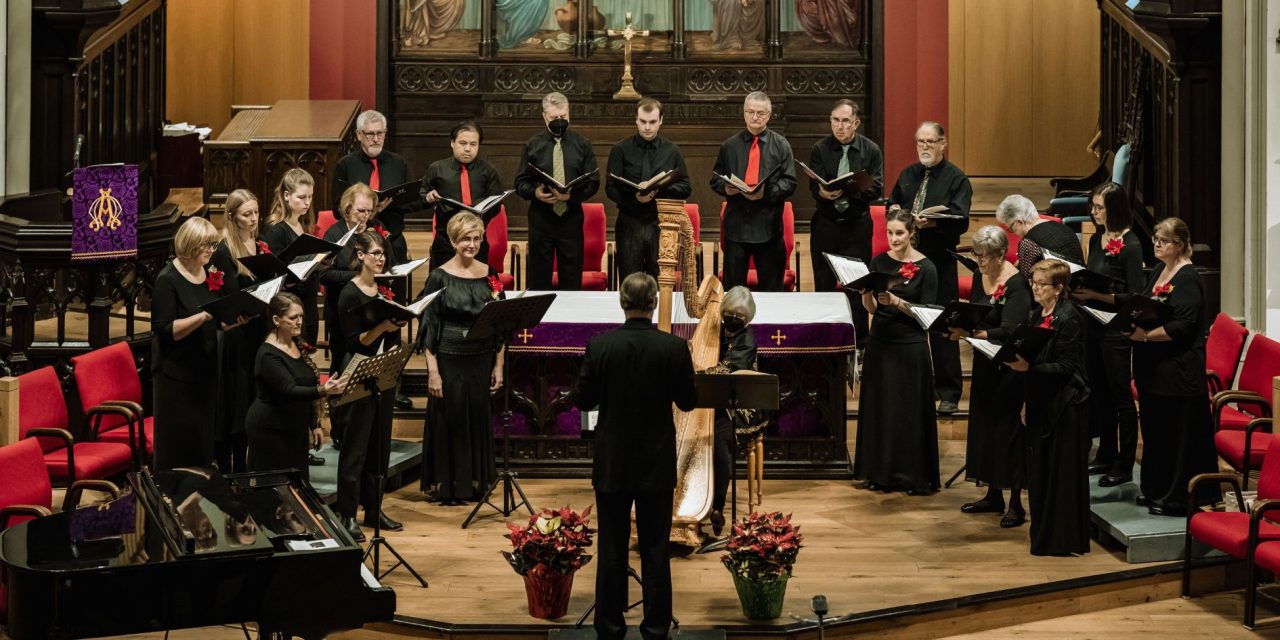
For years, many churches quietly scaled choirs back, trading SATB arrangements for streamlined worship bands. Now the pendulum is swinging the other way. Congregations are rediscovering something choirs have always done well: adding depth, warmth, and participation without turning every worship song into a vocal obstacle course.
The challenge isn’t simply bringing choirs back. It’s helping them serve the congregation rather than accidentally audition for a recording contract every Sunday morning.
Read on for practical harmonization principles that help choirs enrich worship, support congregational singing, and blend naturally into modern worship settings.
Principles for Balanced Harmonization
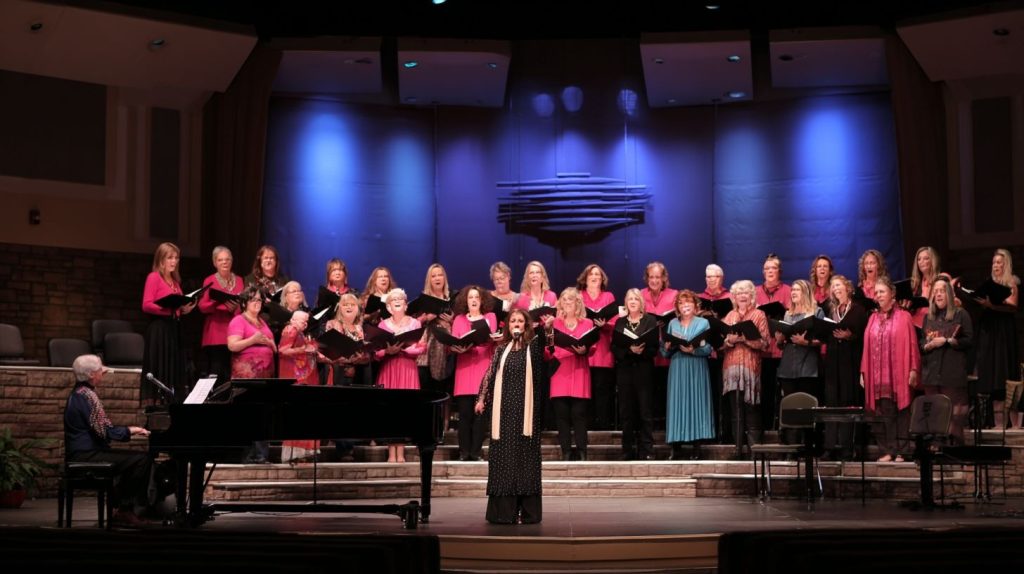
One of the most effective frameworks is the 60/30/10 rule: 60% melody, 30% harmony, and 10% counter-melody. This balance keeps worship songs accessible while still allowing choirs to add richness and texture.
When harmony becomes the star of the show, congregational participation often drops. The goal is enhancement, not competition.
Here are five principles that help create balanced, worship-friendly arrangements:
- Never exceed a 4th above the melody to maintain smooth voice leading and avoid vocal strain.
- Use parallel 3rds and 6ths to create a modern worship sound that blends naturally with contemporary bands.
- Rely primarily on root-position triads for harmonic stability and clarity.
- Spread soprano, alto, tenor, and bass voices evenly across an octave to avoid muddy voicings.
- Resolve harmonic tension on strong beats so congregations can follow the musical movement comfortably.
A simple SATB voicing for a Cmaj7 chord illustrates this approach:
| Voice | Note |
| Soprano | B |
| Alto | G |
| Tenor | E |
| Bass | C |
This distribution creates balance without overcrowding any frequency range, allowing the choir to sound full while preserving clarity in the overall mix.
These principles work equally well for traditional hymns, contemporary worship songs, acoustic worship gatherings, and choir-led praise moments. Consistent rehearsal around these foundations helps singers develop confidence while keeping arrangements approachable.
Keeping Harmonies Congregational-Friendly
The strongest choir arrangements don’t draw attention to themselves. Instead, they make it easier for the entire room to sing.
Many worship leaders make the mistake of introducing complex harmonies too early. A better approach is to build familiarity first, then gradually add layers as the congregation becomes comfortable with the song.
Consider these practical guidelines:
- Double the melody in unison during the first verse to establish confidence.
- Introduce harmony in the second verse after the congregation knows the tune.
- Use occasional call-and-response sections to encourage participation.
- Make melody lines more prominent than harmony parts in lyric sheets and printed arrangements.
A simple formatting adjustment can also make a significant difference. Many choirs use larger, bold text for melody lines while keeping harmony parts slightly smaller and italicized. This helps singers immediately identify the primary musical line and reduces confusion during rehearsals and services.
Most importantly, remember that accessibility is not the enemy of excellence. Some of the most powerful worship moments happen when an entire congregation sings together confidently, supported by a choir that knows exactly when to lead and when to blend.
Conclusion
The return of choirs to modern worship is not about nostalgia. It is about rediscovering a powerful tool for congregational engagement. Balanced harmonization, thoughtful voice leading, and accessible arrangements allow choirs to add beauty without creating barriers.
When done well, harmonies don’t distract from worship. They invite more people into it.
What’s one worship song that instantly feels bigger, richer, or more powerful when the choir joins in?Share your favorite in the comments, and stay connected with DLK Praise and Worship for more insights on worship leadership!