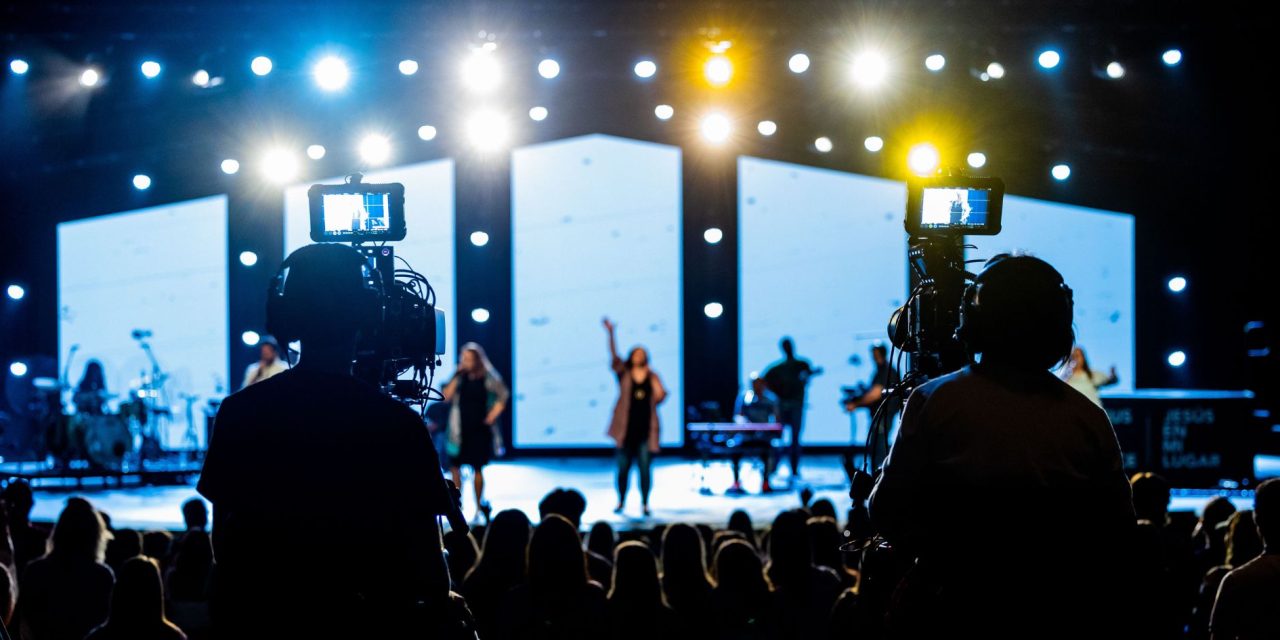
Worship nights used to mean being in the room, singing with everyone around you, and feeling every moment happen live. Technology is changing how far that experience can travel.
Better streaming, clearer audio, and interactive platforms now allow people outside the room to participate in worship gatherings. The goal is not to replace live worship, but to make meaningful participation possible across greater distances.
Events such as Summer Worship Nights 2026 show how worship communities can combine physical gatherings with digital participation. The technology may be impressive, but the purpose remains simple: helping people connect through worship.
Technological Enablers
The biggest change is accessibility. People who cannot attend a worship night in person can still watch, listen, pray, and participate from somewhere else.
The pandemic accelerated this shift, pushing churches to experiment with online worship and live streaming. Platforms that once seemed complicated quickly became part of regular church communication.
Today, churches have access to tools that make high-quality broadcasts more achievable. Streaming platforms, production software, better cameras, and improved internet connections can work together to create a more reliable online experience.
Interactive features add another layer. Viewers can share prayer requests, respond in chat, or connect with others during a service rather than simply watching from a distance.
Live Streaming Advancements
Modern streaming setups can combine multiple cameras, quality audio, live switching, and graphics. This allows online viewers to experience more than a static camera pointed toward the stage.
Free production tools such as OBS Studio can support multi-camera broadcasts without requiring an expensive production system. Paid platforms can add features for churches that need more advanced streaming workflows.
Multiple camera angles can capture the musicians, worship leaders, congregation, and wider atmosphere. Good audio remains especially important because worship depends heavily on vocals and music.
AI-assisted noise reduction can also help clean up unwanted background sounds. During congregational singing, clearer audio makes the online experience easier to follow.
The best approach is to test everything during rehearsals. Check camera positions, audio levels, internet stability, switching, and stream delays before the worship night begins.
Starting small is often smarter than building an elaborate setup immediately. Churches can learn what works, improve gradually, and invest in equipment as their needs become clearer.
Interactive Digital Platforms
Streaming becomes more engaging when viewers can participate.
Live chat allows people to respond to worship moments, share encouragement, or communicate with others watching remotely. Prayer features can create another opportunity for people to participate rather than simply observe.
Some church platforms also allow prayer requests, service information, giving, and other interactions within the online experience. QR codes can make it easier to direct viewers toward specific actions.
For a worship night, this could mean displaying a QR code for prayer requests or inviting viewers to share what they are praying about.
The important thing is moderation. Too many digital elements can distract from the worship itself.
Used thoughtfully, interactive features can help online participants feel included while keeping the focus on the service. They give people outside the room practical ways to respond, connect, and participate.
Conclusion
Technology has made worship gatherings more accessible without making physical community less valuable. A livestream cannot reproduce every part of standing in a room full of worshippers, and it does not need to.
Its strength lies elsewhere. It can extend the reach of a worship night, give distant participants a way to join, and create additional opportunities for prayer and connection.
For churches planning future worship gatherings, the question is not whether technology should replace live worship. It is how technology can serve the people who cannot be there.
Could your next worship night reach people beyond the seats in the room?
DLK Praise and Worship explores the ideas shaping how people connect with worship, both in church and beyond it.


