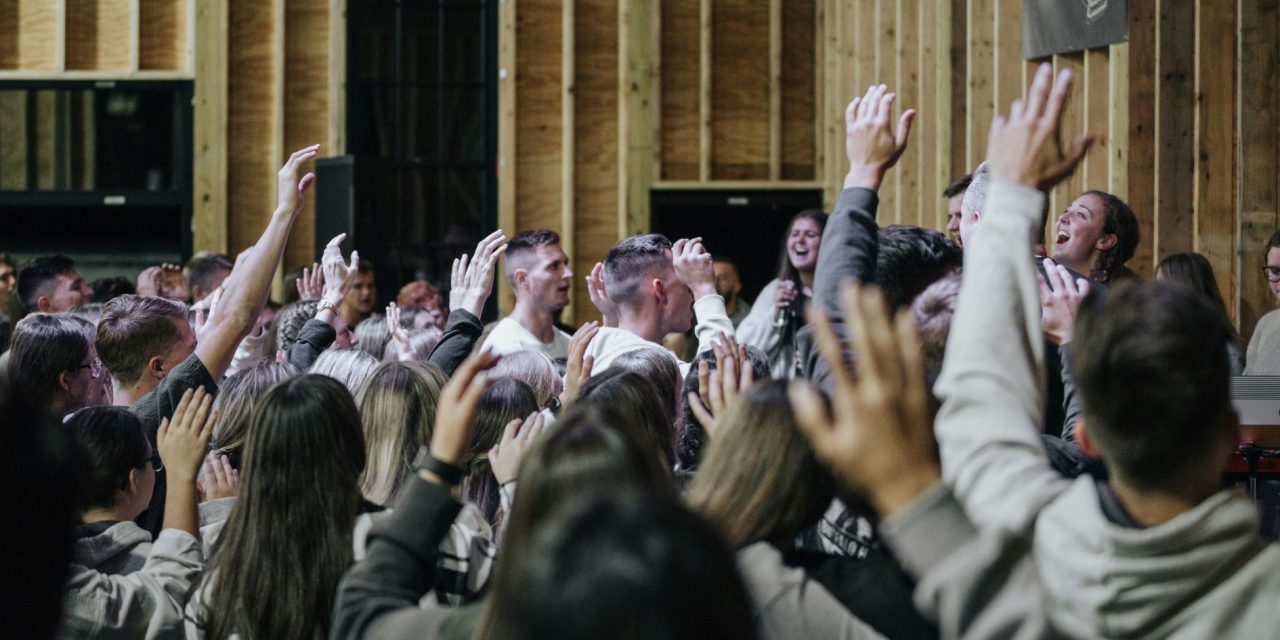
You can listen to the same worship song alone in your bedroom and barely react. Then suddenly hear it with thousands of voices around you, and now you are fighting tears before the second chorus even starts. Human beings are apparently one key change away from emotional collapse.
That emotional pull is not random. Scientists and worship leaders alike increasingly point to deep psychological drivers behind why communal worship feels so powerful. From mirror neurons to emotional release, group worship seems wired into the way humans connect, process emotion, and experience belonging.
Communal Belonging Effect
One reason live worship feels so emotionally overwhelming is because humans are naturally wired for synchronized experiences. Research suggests communal singing boosts oxytocin, the hormone associated with trust and bonding. As people sing together, breathing patterns, rhythms, and emotional responses begin aligning almost unconsciously.
This helps explain why massive worship gatherings can still feel deeply personal. Even in crowded arenas, participants often describe feeling emotionally connected to complete strangers through shared worship moments. Scientists studying mirror neurons believe these reactions strengthen empathy because humans instinctively reflect the emotions and actions they observe around them.
Events like Summer Worship Nights 2026 thrive on this exact effect. The moment a crowd begins singing together, the atmosphere often shifts from observation into participation. People stop feeling like audience members and start feeling like part of something shared.
Psychologist Dr. Helen Odell-Miller describes synchronized musical participation as a form of tribal bonding. Brain scans frequently show increased social and emotional activity during communal singing, reinforcing the feeling of unity that many worshippers describe after live worship experiences.
Emotional Release Through Music
Group worship also creates a level of emotional release that private spiritual practices sometimes struggle to replicate. Research suggests shared music experiences trigger dopamine and endorphin responses that help reduce stress while intensifying emotional expression.
That is partly why worship nights often leave people feeling emotionally lighter afterward. Singing collectively lowers emotional barriers because visible participation from others creates permission for vulnerability. One person singing passionately or responding emotionally often encourages others to engage more openly themselves.
Modern worship environments intentionally build toward these moments through swelling dynamics, repeated choruses, reflective bridges, and slower transitions. These musical patterns create emotional momentum that gradually pulls the room into deeper engagement.
Participants frequently describe these worship experiences as moments of spiritual renewal, emotional breakthrough, or overwhelming peace. Unlike passive listening, communal worship surrounds people with visible emotional energy, making the experience feel immersive rather than isolated.
Conclusion
The power of group worship extends far beyond music alone. Shared singing activates psychological and emotional systems connected to belonging, empathy, and emotional release. Humans appear deeply designed for communal experiences, which helps explain why worship often feels most powerful when experienced together.
As modern worship gatherings continue growing worldwide, these emotional and neurological drivers remain central to why people keep returning to sing, connect, and encounter faith collectively.
What is it about group worship that always hits differently for you? Tell us in the comments, and keep exploring worship culture with DLK Praise and Worship!