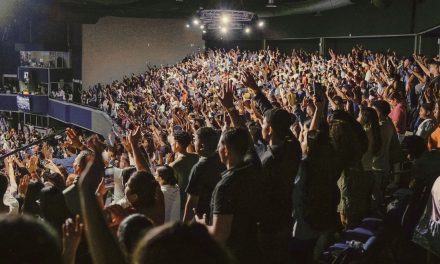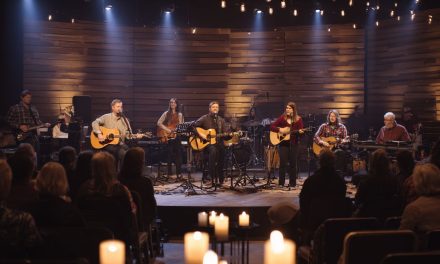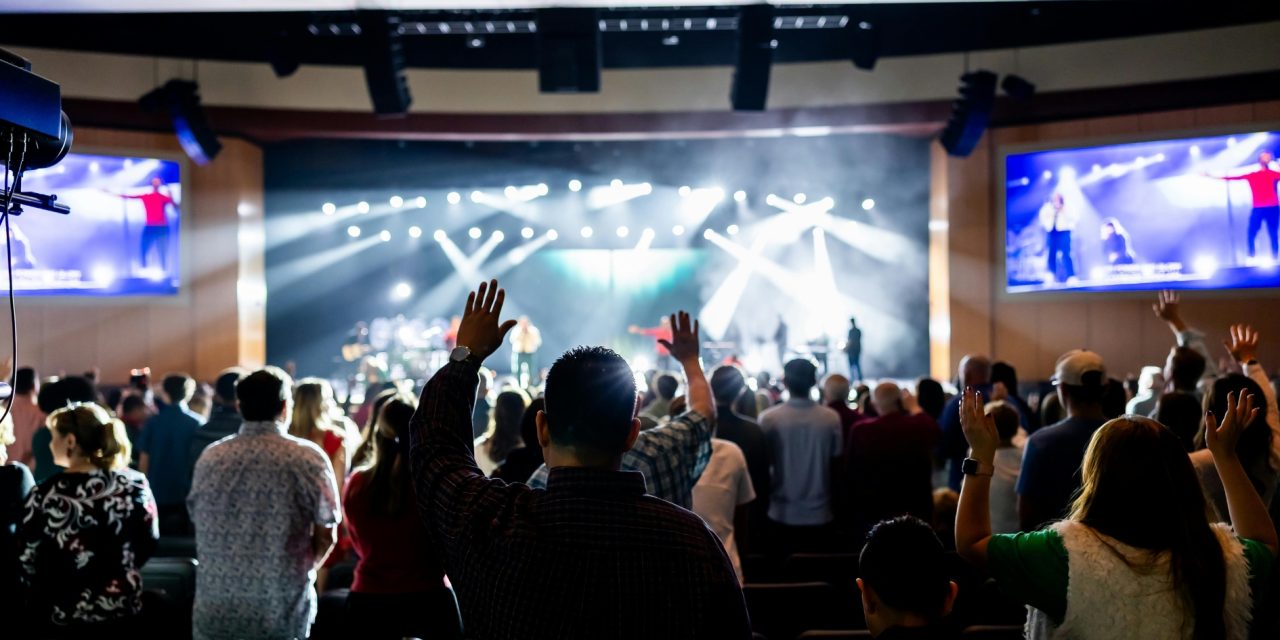
Turns out “let’s just stream it” had a shelf life. People showed up online when they had to, but now they’re showing up in person—and in massive numbers.
Shared worship attendance has surged by 247% since 2020, according to the Eventbrite Faith Report 2024, making faith-based gatherings one of the fastest-growing event categories. What used to build slowly through local church nights and regional gatherings has now exploded into something much larger. The pandemic paused physical meetings for a moment, but it didn’t reduce the desire for connection—it amplified it.
Now, events like Summer Worship Nights 2026 are tapping directly into that hunger. People aren’t just attending; they’re looking for immersive, collective worship that feels real, unified, and deeply engaging.
Why Shared Worship Is Growing So Fast
This rise isn’t random. Rather, it’s driven by a clear shift in what people want from worship. After years of isolation, there’s a stronger pull toward experiences that feel personal and communal at the same time.
That’s why live worship gatherings are thriving again. They create space for connection that digital formats struggle to replicate. Being in a room full of voices, energy, and shared purpose hits differently. It’s not just about the music—it’s about the moment. That’s also why large-scale worship artists and movements continue to draw crowds that extend far beyond their local bases.
Experts point out that these environments naturally build community. Worship becomes more than a routine; it becomes a shared experience that strengthens relationships and deepens spiritual engagement. From small praise nights to arena-sized events, the pattern is consistent—people want to feel worship together.
The Timeline Behind the Growth
The current wave didn’t start overnight. It’s been building for decades, with key moments shaping what we now see:
- Hillsong Church (1997): Early worship nights drew around 5,000 people, focusing on intimate, participatory praise.
- Passion Conference (2008): Expanded to 20,000 attendees, introducing large-scale collective worship experiences.
- Bethel Music (2019): Worship nights reached 30,000+, emphasizing immersive and interactive formats.
By 2024, Passion events exceeded 50,000 attendees, showing just how far things have scaled. Data from Barna Group also highlights a 180% increase in worship concert attendance since 2010, proving that this growth has been steady, not sudden.
Post-Pandemic Worship Shift
Then came the reset. During COVID-19, live attendance dropped while online worship peaked. But once restrictions lifted, the response was immediate—live worship attendance spiked by up to 400% in 2022, according to CBN News tracking.
Even churches that built strong online audiences saw people return physically. Research from Lifeway Research shows that by 2023, preferences had shifted back toward in-person worship. A clear example is Elevation Church, which grew from 10,000 online viewers to 25,000 in-person attendees.
The takeaway is simple: online made worship accessible, but in-person made it meaningful again. That’s why regional praise nights, arena events, and summer worship series continue to fill up—they offer connections that screens can’t replicate.
Conclusion
Shared worship isn’t just returning—it’s evolving into something more powerful and intentional. From intimate gatherings to massive arenas, the desire for real, collective worship experiences is driving a new era of faith events. And with 2026 events already building momentum, this wave shows no signs of slowing down.
Would you rather experience worship in a packed arena full of voices or keep it personal in a smaller, intimate setting?
Let us know in the comments and stay ready for the next wave of live worship experiences only at DLK Praise and Worship!