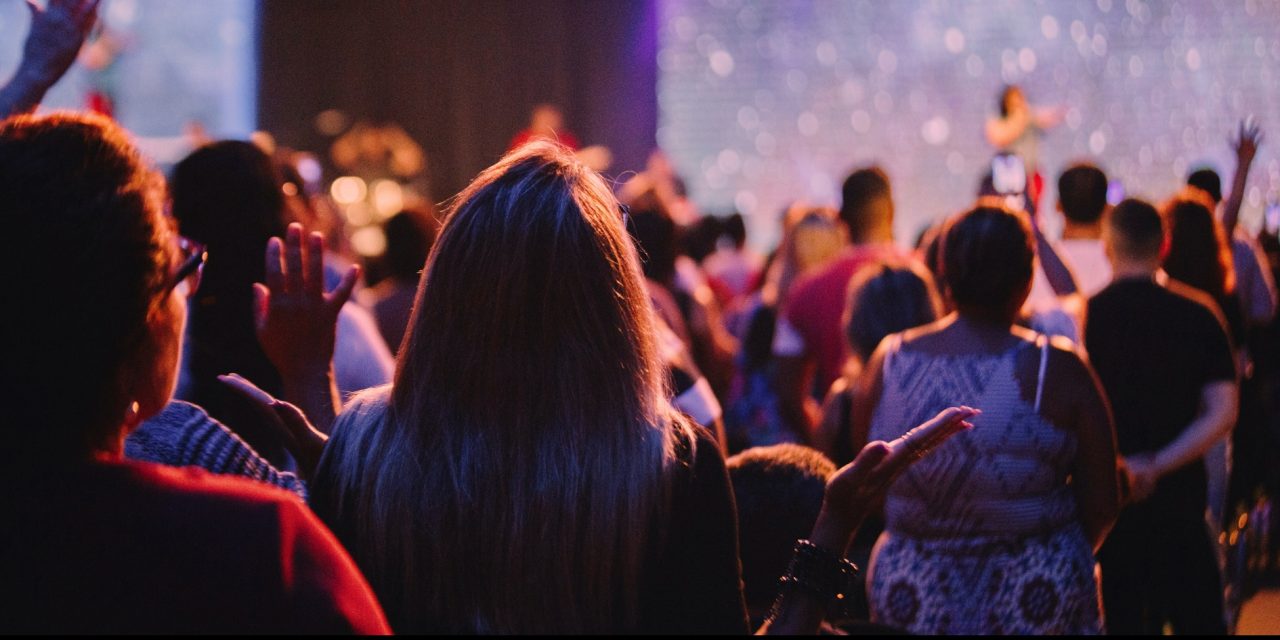
Worship nights come in many styles—some feel like peaceful campfires, while others feel like mini concerts with extra coffee. No matter the vibe, the structure of these gatherings often reflects the heart of the congregation. By combining meaningful elements and thoughtful planning, worship nights create space for connection, reflection, and spiritual growth.
Common Elements of Worship Nights
Most intimate worship nights include core components like praise music, communal prayer, and interactive scripture study. These elements work together to build a worshipful atmosphere that draws people into deeper engagement. To keep everything organized, many teams rely on tools like Planning Center, which helps schedule volunteers and manage the flow of activities seamlessly.
Music selection also plays a major role. Curating a diverse playlist or using resources like Worship Together ensures that the setlist resonates with a wide range of participants.
Group participation can be encouraged through open discussions or prayer requests, strengthening community bonds. A welcoming environment—complete with comfortable seating and ambient lighting—makes people feel safe to worship, reflect, and express their faith freely.
Variations Across Denominations
The format of worship nights often differs among denominations, influencing music style, structure, and service length.
Pentecostal churches tend to embrace spontaneity, modern worship music, and extended times of prayer. Their services may last two hours or more, allowing space for emotional expression and deeper spiritual encounters. In contrast, Reformed churches prefer a structured approach with traditional hymns and scriptural readings. Their worship nights may last about an hour, placing emphasis on theological reflection and order.
Though their styles vary, both traditions share a commitment to fostering community and encouraging spiritual growth. These differences highlight the beautiful diversity within Christian worship, showing that there isn’t just one way to create a powerful worship experience.
Conclusion
Worship nights blend structure, creativity, and intention to meet the needs of diverse congregations. Common elements like music, prayer, and scripture offer a strong foundation, while planning tools and community involvement enhance the experience.
Whether spontaneous or structured, each tradition reflects a unique expression of faith and unity. When worship nights are designed with care, they become meaningful encounters that draw people closer to God and one another.
What structure makes a worship night feel truly powerful to you? Discover fresh ideas and deeper insight with DLK Praise and Worship, where worship formats and faith experiences come together in meaningful ways.