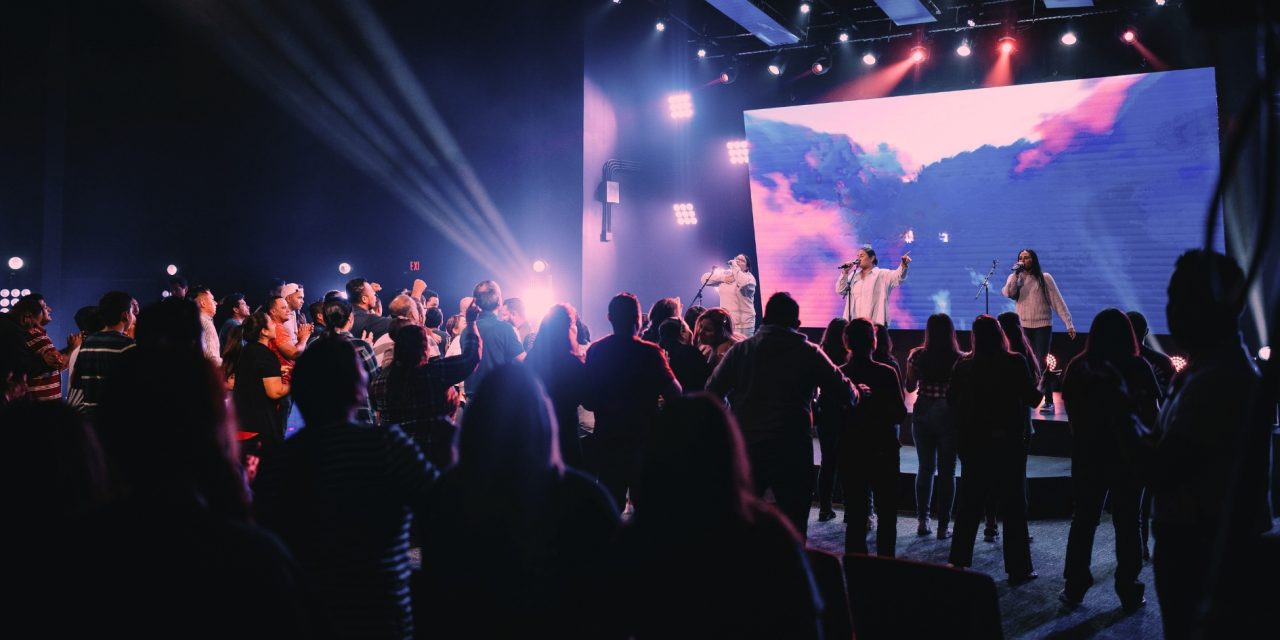
Some shifts in church life announce themselves loudly. Others happen quietly, then one day you realize worship feels different—and no one quite remembers when that change began. Intimate worship nights fall firmly into the second category.
What started as a moment has become a pattern, subtly influencing how people expect to gather, participate, and encounter God. When worship moves closer, slows down, and asks more of the heart than the schedule, it leaves a residue. This article examines what happens after the lights come back on—how intimate worship nights shape long-term worship practices, community rhythms, and spiritual engagement in ways churches can’t afford to ignore.
Redefining Congregational Engagement Over Time
One of the most noticeable long-term effects of intimate worship settings is how they change participation. Smaller gatherings naturally reduce anonymity. When there’s no place to hide in the back row, people tend to engage more intentionally—singing more freely, listening more closely, and responding more honestly.
Over time, this shifts expectations for worship itself. Congregants begin to value presence over performance and connection over production. Attendance patterns may fluctuate, but emotional investment often deepens. Churches that embrace this model frequently report stronger relational ties among attendees, even outside worship settings.
In short, people stop attending worship as spectators and start showing up as contributors.
Strengthening Community Through Shared Spiritual Experiences
Intimate worship nights often act as relational glue. Because they encourage vulnerability—whether through prayer, silence, or shared reflection—they naturally foster trust. That trust doesn’t stay confined to the worship space.
Long term, churches see stronger small groups, more organic conversations, and a growing sense of “we” instead of “me.” Community initiatives like shared meals, service projects, or local outreach efforts tend to gain traction because relational groundwork is already in place.
It turns out people are more willing to serve alongside those they’ve prayed beside.
Expanding Worship Beyond Physical Spaces
Another lasting implication is the normalization of hybrid worship experiences. Intimate gatherings translate well to digital platforms—not as replacements, but as extensions. Virtual worship nights, shared testimony clips, or reflective moments streamed online allow churches to maintain connection without relying solely on Sunday attendance.
Used wisely, platforms like Zoom or social media become spaces for continuity rather than distraction. Over time, this helps churches stay connected to members who travel, relocate, or simply need alternative ways to engage without feeling disconnected from the community.
The key shift here is intentionality: digital tools serve the worship rhythm, not the other way around.
Encouraging Adaptive and Sustainable Worship Practices
Perhaps the most understated impact of intimate worship nights is sustainability. Smaller gatherings require fewer resources, less production pressure, and more flexibility. This allows churches to adapt without burnout—both for leaders and volunteers.
Over the long term, this creates room for experimentation, reflection, and responsiveness to congregational needs. Worship becomes less about maintaining a format and more about nurturing spiritual health. And while no one is suggesting replacing corporate worship entirely, intimate settings offer balance in a landscape often defined by scale.
Sometimes, doing less actually allows faith communities to hold more.
Conclusion
Intimate worship nights may begin as simple alternatives, but their long-term influence reaches far beyond a single evening. By reshaping engagement, strengthening community, expanding access, and encouraging sustainable practices, they quietly recalibrate how churches experience worship together.
Their impact isn’t measured in volume or attendance spikes, but in depth, consistency, and connection—often noticed only after time has done its work.
What would change in your church if worship made more room for presence, honesty, and shared experience? DLK Praise and Worship explores how practices like intimate worship nights are shaping deeper, more connected faith communities.