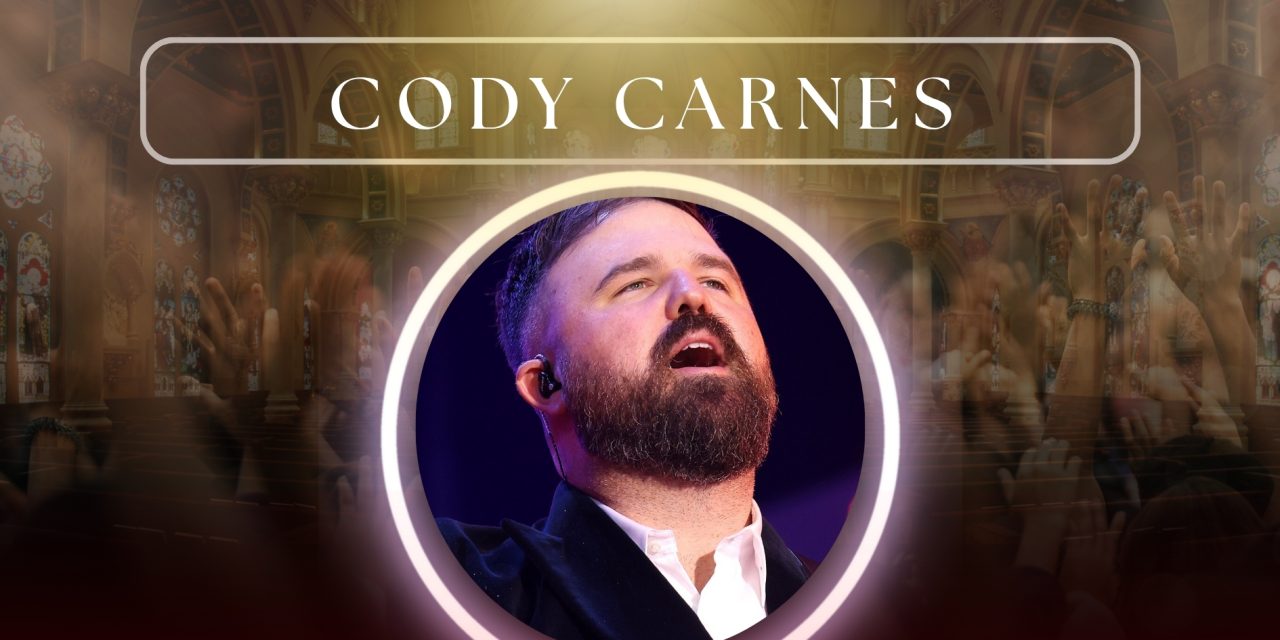
If worship culture had a volume knob, Cody Carnes has always preferred turning it slightly down—not to soften the message, but to make room for substance. As an artist and worship leader, his influence has come less from spectacle and more from consistency, clarity, and spiritual grounding.
That same approach defined his vision for 2026. Instead of bold predictions or sweeping reinventions, Cody outlined a future centered on mentorship, creative depth, and genuine community. That restraint doesn’t feel cautious. It feels deliberate.
Goals for Worship Leadership
A key pillar of Cody’s vision is investment in worship leaders themselves. Rather than focusing solely on platform excellence, he emphasizes formation, mentorship, and sustainability in ministry. By 2025, his goal is to help shape leaders who understand both the musical and pastoral weight of their role.
Central to this effort is the development of mentorship programs designed to support emerging worship leaders at different stages of their journey. These initiatives would include one-on-one coaching as well as group workshops, addressing practical areas such as song selection, team communication, and cultivating healthy worship cultures within churches.
Cody also plans to expand access to practical tools through an online resource hub. This space would offer service-planning templates, sound system tutorials, and guidance on leading worship teams with clarity and care. The intent is not to standardize worship, but to remove unnecessary barriers so leaders can focus on shepherding people through music.
Alongside these efforts, collaboration plays a vital role. By working closely with local artists and worship communities, Cody aims to encourage the creation and sharing of new music that reflects diverse voices while remaining anchored in biblical truth.
Emphasis on Community and Connection
Beyond leadership development, Cody’s vision places strong emphasis on community as an expression of worship. For him, worship does not end when the music fades. It extends into how churches serve, listen, and remain present within their neighborhoods.
Plans for 2025 include structured outreach initiatives such as weekly community service days, inviting church members to engage directly with local schools, shelters, and community organizations. These rhythms of service are intended to form worshippers who live out what they sing.
He also envisions monthly gatherings that bring together local artists, speakers, and congregations. These events would create space for shared stories, creative collaboration, and honest conversation, strengthening relationships across church and community lines.
Strategic partnerships with local nonprofits are another key focus. Through joint initiatives like fundraising efforts and awareness campaigns, churches can become more integrated into the life of their communities. Digital platforms such as Instagram and Facebook will support these efforts by helping churches connect with younger generations and extend their sense of belonging beyond physical spaces.
Conclusion
Cody Carnes’ vision for 2026 reflects a broader shift within worship culture. It moves away from chasing trends and toward cultivating faithfulness, creativity, and connection over time. By investing in leaders, strengthening community ties, and grounding innovation in spiritual purpose, this approach points to a future where worship is both expressive and deeply rooted.
The direction is clear: worship that shapes lives, not just Sundays.
What kind of worship culture do you hope to see take shape in the coming years? Share your thoughts and continue exploring the heart, leadership, and future of worship only at DLK Praise and Worship.