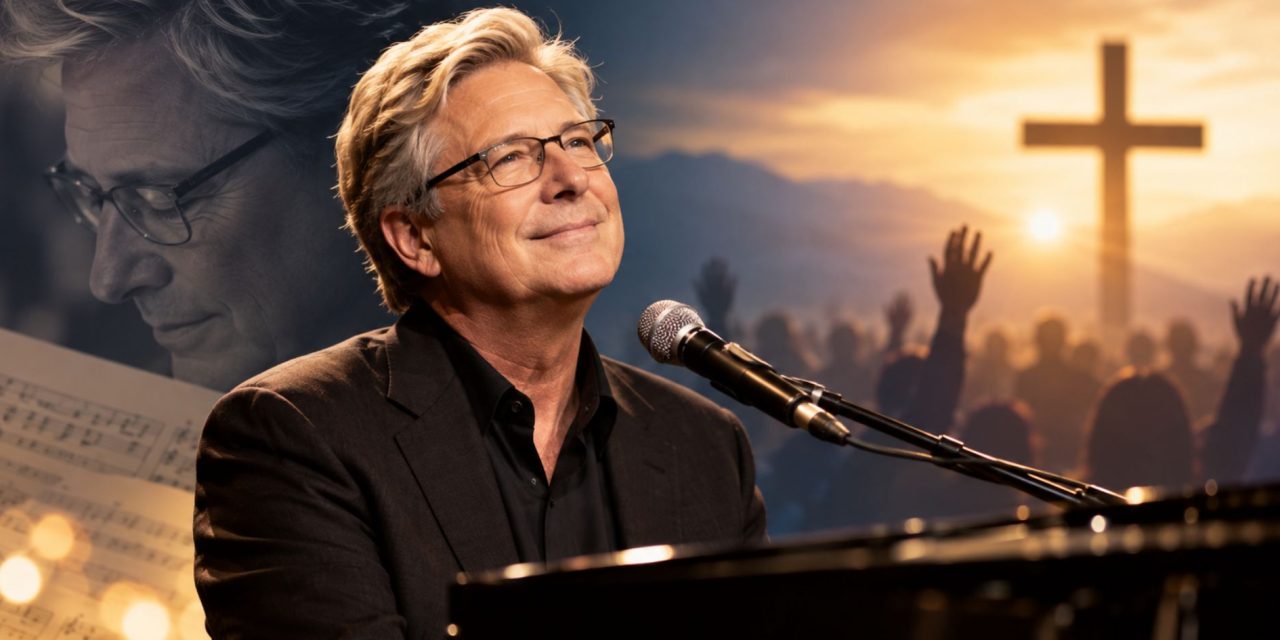
Worship teams revisiting Don Moen’s Hiding Place anniversary can use the milestone to evaluate how songs of trust serve their congregations today. Released through Integrity Music in 2006, the album reaches its 20th anniversary on October 17, 2026.
Its themes of refuge, reassurance, and trust in God remain relevant to congregations facing uncertainty. However, an anniversary alone is not a reason to revive older songs. The more important question is whether they help people engage Scripture, pray honestly, and worship together.
The Enduring Pastoral Need Behind the Album
Congregations experience grief, uncertainty, weariness, and unanswered questions. Songs about refuge and trust can offer language for these experiences when used with pastoral sensitivity.
However, confidence in God should not imply that faith eliminates pain or guarantees immediate solutions. Worship can affirm God’s character without dismissing what people are experiencing.
Hiding Place offers an opportunity to reconsider how songs of trust function within a service. Teams can ask whether their message and musical approach meet the local congregation’s needs.
Start With Scripture and Context
Before introducing a song, read its complete lyrics from an authorized source and identify its central message. Compare that message with the Scripture being taught or read during the service.
A familiar phrase may sound biblical but still need context. Worship leaders should consider four questions:
- What does the song communicate about God?
- What does it invite the congregation to declare about itself?
- Does it allow room for lament as well as confidence?
- Does it support the service’s biblical focus or simply repeat familiar language?
This process does not need to turn rehearsal into a theological examination. It helps ensure the congregation sings words the church can affirm.
Evaluate Participation, Not Nostalgia
An older song may mean a great deal to longtime listeners without being easy for the present congregation to sing. Teams should distinguish personal nostalgia from congregational usefulness.
Consider the melody’s range, lyrical density, repetition, and musical development. If the original recording relies on a large ensemble or distinctive lead vocals, explore whether a simpler arrangement can preserve its character.
The goal is not to recreate the recording. It is to help the congregation participate.
When introducing an unfamiliar song, briefly connect it to the Scripture reading or service theme. A first use might work best during a response moment rather than as a song everyone is expected to know.
Arrange for the Church You Have
When revisiting a 2006 recording, teams should avoid copying every production choice or modernizing the song until its identity disappears.
Start with its melody, harmonic movement, and lyrical emphasis. Then adapt the arrangement to the musicians, vocalists, and acoustic environment available.
Practical adjustments may include:
- Changing the key to support comfortable congregational singing.
- Shortening the introduction so people can begin singing sooner.
- Reducing instrumental layers to give the lyrics more space.
- Planning dynamics that support the message without overwhelming it.
- Rehearsing transitions into prayer or Scripture rather than treating the song as a standalone performance.
These choices are part of serving the congregation. A technically impressive arrangement is not necessarily the most useful one for corporate worship.
A Four-Question Anniversary Review
Worship teams can use the Hiding Place anniversary to review their song catalogs with four questions:
- Is the song’s message biblically clear in context?
- Can our congregation sing it comfortably?
- Does it meet a genuine pastoral need in this service?
- Can our team arrange it effectively with the people and resources available?
If a song does not meet these criteria, it may still be meaningful for personal listening without belonging in the current congregational set.
What Teams Can Carry Forward
Revisiting Hiding Place offers a lesson beyond one album: older worship songs deserve thoughtful evaluation rather than automatic revival or dismissal.
Some may fit naturally into today’s services. Others may inspire a prayer, a Scripture reading, or a conversation about trusting God through uncertainty. Some may be best left in their original season.
That is healthy discernment. A worship set does not need to prove that a song is timeless. It needs to serve the congregation faithfully in the present.
Twenty years after Hiding Place, its themes of refuge and trust still invite reflection. The anniversary gives worship teams a reason to listen again, appreciate the album’s legacy, and consider what their congregations need today.
How can your worship team revisit older songs while keeping Scripture and congregational needs at the center? DLK Praise and Worship explores worship music, biblical foundations, and practical ways to help churches worship together.