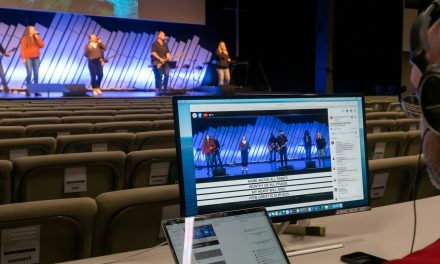
Virtual worship used to feel like watching church while hoping your Wi-Fi behaved better than your faith. But today, the interaction tools are so dynamic that congregants don’t just tune in—they participate.
Modern churches design online worship with the same intention as in-person services, building community through real-time responses and music-led connection. The result? Worship that feels alive, communal, and spiritually grounding, even on a screen.
Real-Time Feedback That Makes Worship Feel Personal
Engagement strategies in virtual worship have evolved from passive streaming to active participation. Real-time interaction is no longer optional—it drives the emotional connection that online worship depends on.
Churches use tools like Slido and Mentimeter to spark immediate involvement. Instead of waiting for an “amen,” congregants share thoughts, answer sermon-related prompts, and respond to polls that shape the flow of the service. A pastor might ask a question mid-sermon and watch hundreds of responses appear instantly, revealing what people are wrestling with and where the message is landing.
Live chats add another layer. Platforms like Facebook Live and YouTube allow congregants to comment, share testimonies, and ask questions during the service. Hillsong and other global ministries use these chat functions to gather prayer requests, highlight powerful comments, and build a sense of shared experience. These interactions transform viewers into participants, replacing emotional distance with spiritual closeness.
By combining structured polls with open chat spaces, churches create a digital environment where people feel heard, acknowledged, and connected—core elements of meaningful worship.
Music as a Bridge That Builds Online Community
Music plays an essential role in binding virtual congregations together. In online spaces, songs don’t just support worship—they become the spark for community building.
Many churches now create collaborative playlists on Spotify or Apple Music where members add their favorite tracks. This simple act turns music into a shared testimony, cultivating ownership and deepening emotional connection. A weekly “community playlist refresh” encourages members to contribute songs that helped them through the week, creating a spiritual soundtrack shaped by many voices.
Social platforms amplify this musical bonding. Ministries share lyric graphics, post short vocal clips, host live listening sessions, or invite members to share stories about how a particular worship song influenced their week. Hope Community Church experienced a 30% increase in online attendance using these methods, demonstrating the effectiveness of music in unifying remote congregants.
Whether through playlist contributions, shared stories, or musical discussions, churches use music to remind people that they aren’t worshipping alone. Every song becomes a thread stitching the digital congregation together.
Conclusion
Virtual worship is no longer a distant, one-directional broadcast. With real-time responses and music-driven connections, churches craft online spaces that feel participatory, warm, and deeply engaging. These interaction strategies don’t replace in-person fellowship—they reinforce it by ensuring that every congregant, wherever they are, feels spiritually involved.How could real-time engagement and music-centered interaction reshape your next virtual worship experience? Explore more insights at DLK Praise and Worship!