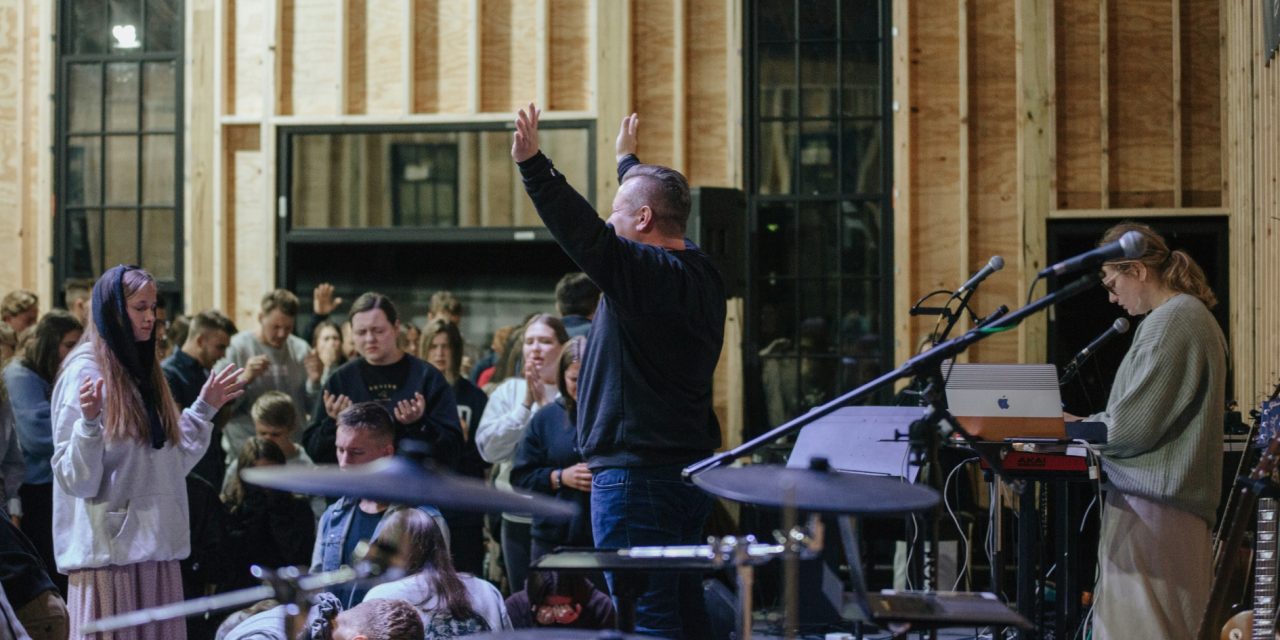
Worship doesn’t fall flat because the songs are wrong. It usually struggles because participation never fully takes root. When congregations move from watching worship to inhabiting it, something shifts. Unity stops being a theme and becomes a felt experience. This piece looks at how intentional engagement turns worship into a shared moment rather than a weekly routine—and why that matters more than ever in 2026.
At its core, congregational engagement isn’t about adding noise or novelty. It’s about creating space for people to respond, belong, and recognize themselves as part of something bigger than the stage.
Interactive Worship That Invites, Not Interrupts
Interactive worship works best when it feels natural rather than forced. Simple practices like call-and-response, extended congregational singing, or moments of guided reflection invite people into the flow instead of pulling attention away from it.
Visual aids play a quiet but powerful role here. Clear lyric slides, brief scripture prompts, or reflective imagery help remove barriers to participation. No one should feel lost during worship because they missed a verse or a cue. When people feel oriented, they engage more freely.
Digital tools now extend that interaction beyond the room. Inviting congregants to share prayer requests through a church hashtag or live form creates real-time involvement without breaking reverence. Even small practices—like short testimonies before prayer or a physical “worship wall” for gratitude and requests—help people see their voices reflected in the service.
The goal isn’t spectacle. It’s presence. When participation feels safe and meaningful, unity follows naturally.
Participation That Builds Belonging Over Time
Encouraging participation, especially in choirs or worship teams, starts with culture, not recruitment. People are far more likely to step forward when they feel welcomed rather than evaluated.
Open sing-along gatherings or informal worship nights lower the pressure and invite curiosity. Mentorship programs, where experienced singers walk alongside newcomers, help replace anxiety with confidence. These relationships often matter more than technical skill.
Listening also plays a role. Simple tools like feedback forms allow members to share song preferences or service reflections, signaling that their voices matter beyond Sunday mornings. Pair that with shared meals, potlucks, or casual gatherings, and participation grows organically.
Over time, these practices turn a group of singers—or a congregation—into a community that worships with one another, not just alongside each other.
Conclusion
Engaged worship does not happen by accident. It is the result of deliberate choices that prioritize connection, participation, and shared ownership. When congregants are invited to contribute, reflect, and belong, unity becomes visible rather than assumed.
A worship environment rooted in engagement creates space for spiritual growth, relational depth, and lasting community. Worship shifts from something people attend to something they actively help shape together.
How is your church creating space for real participation and unity in worship today? Let us know in the comments, and keep building Christ-centered worship communities with DLK Praise and Worship.