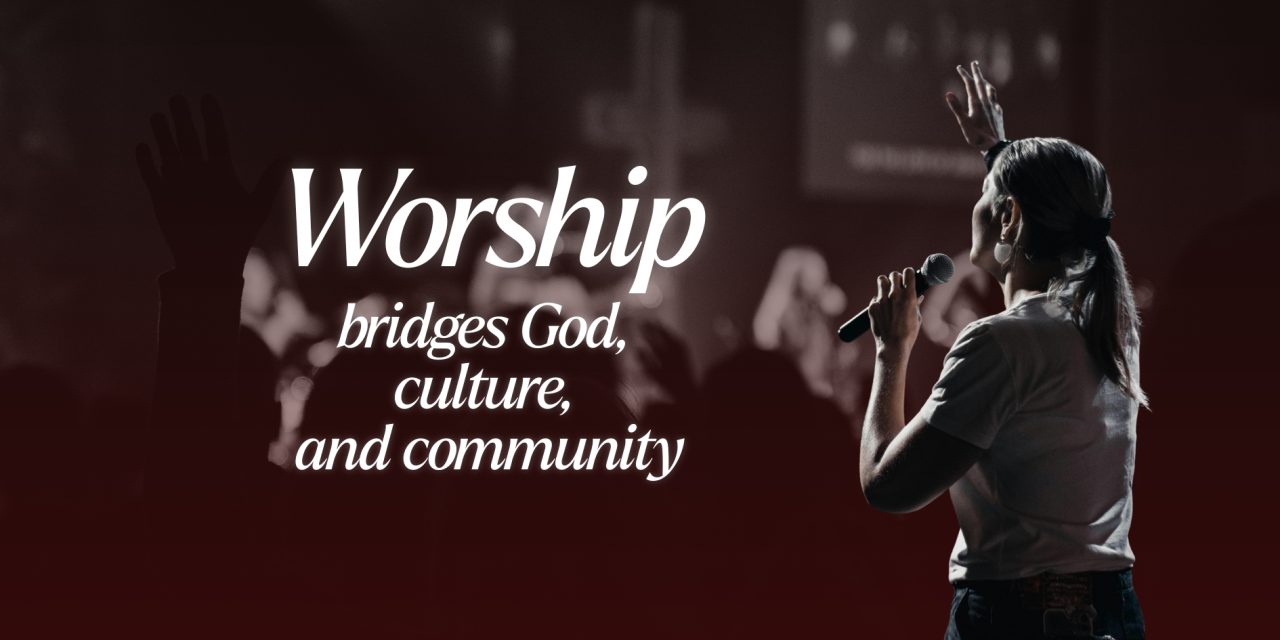
Worship music may sound simple on the surface, but peel back a few lyrical layers and you’ll find entire stories of faith, culture, and human longing woven into every chorus. Modern worship writers aren’t just crafting melodies — they’re building emotional architecture that helps congregations process hope, pain, purpose, and identity.
And because worship travels across cultures, generations, and musical traditions, these songs often do far more than offer comfort; they carry the fingerprints of the communities that sing them. Think of worship tracks as spiritual documentaries set to rhythm — accessible, uplifting, and surprisingly complex once you start paying attention.
Common Themes and Messages
Hope, community, and unwavering faith continue to anchor today’s worship anthems, but the way songwriters express these themes has grown richer and more emotionally resonant.
Take “Way Maker” by Sinach — an anthem of hope that refuses to sugar-coat struggle. Its repetition isn’t filler; it’s a spiritual grounding technique. Every refrain of “You are here…” becomes a lifeline threaded through uncertainty, reminding listeners that guidance is always present, even if the route isn’t.
Then you have “Build Your Kingdom Here” by Rend Collective, which tilts the focus toward community and action. Its folk-inspired drive sparks energy in congregations, turning worship from passive reflection into shared purpose. The track essentially asks, “What can we build together that we can’t build alone?”—and people respond.
Finally, “What a Beautiful Name” by Hillsong Worship elevates reverence to a poetic art form. Its theological depth might be wrapped in familiar pop worship structure, but the message carries weight: awe, surrender, and the kind of intimacy that makes a room go quiet.
Together, these tracks remind worshippers that faith is not just a doctrine — it’s an emotional journey that moves from yearning to unity to adoration.
How Cultural Context Shapes Worship
Worship may be universal, but its expression is deeply local — molded by history, tradition, and cultural rhythm.
Across much of Africa, worship thrives on movement and communal participation. Drumming, call-and-response, and layered vocals create an electrifying environment where worship feels like both celebration and testimony. The music doesn’t just tell a story — it collects stories from the room.
In Western contexts, the sound often merges pop production with spiritual themes. Electric guitars, synth pads, and atmospheric arrangements mirror contemporary chart trends. This isn’t about imitation; it’s contextual relevance — a way to speak the musical language of the congregation.
Meanwhile, Latin American worship leans into rhythmic joy. Maracas, acoustic guitars, and upbeat tempos create a festive expression of faith. The music invites believers to experience worship as celebration, a reminder that joy is also a form of reverence.
These variations don’t fragment worship — they expand it. They show that faith adapts and flourishes when culture is honored rather than erased.
Conclusion
Modern worship songs are more than weekly setlist staples — they’re spiritual anchors shaped by culture, community, and the lived realities of believers. Whether through the global hope of “Way Maker,” the communal rallying of Rend Collective, or the intimate reverence of Hillsong, worship continues to evolve without losing its purpose: to connect hearts to God and to one another.
So, which worship theme speaks most deeply to your faith journey right now? Explore more reflections, song insights, and faith-centered storytelling at DLK Praise and Worship, where every article helps you understand not just what you’re singing — but why it matters.