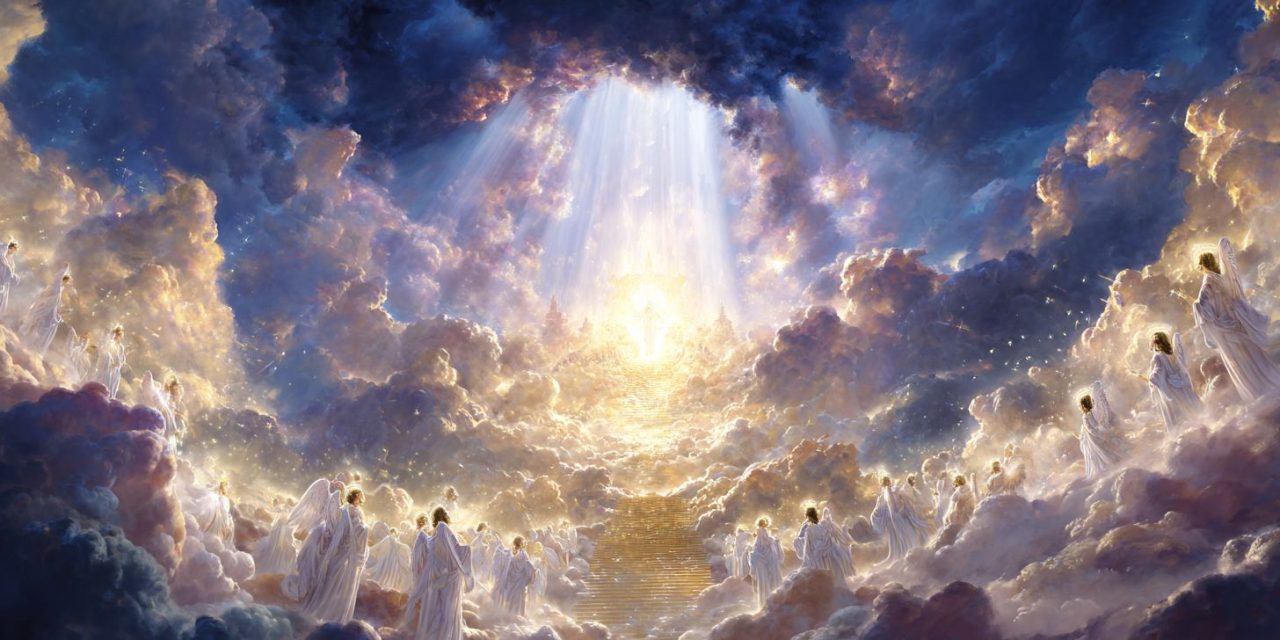
Over the past decade, contemporary worship has shifted noticeably in tone. Where once the dominant themes centered on breakthrough, victory, and personal testimony, a growing number of churches are embracing songs rooted in reverence and transcendence. The language of “holy” is no longer confined to traditional hymns. It now anchors some of the most streamed and most sung worship anthems across denominations.
This resurgence is not accidental. Streaming data, CCLI rankings, and year-end Christian radio charts reveal a measurable rise in holiness-themed songs between 2020 and 2023. What appears at first to be a stylistic trend is, in reality, a theological realignment toward throne room imagery drawn directly from Isaiah 6 and Revelation 4.
Historical Trends in Worship Music
This surge did not appear overnight. It builds on decades of shifting emphasis in congregational worship. Over forty years, the focus gradually moved from victory anthems to reverent throne room language.
In the 1980s, the Hosanna! Music era introduced songs like “Holy Is the Lord.” The 1990s carried global worship forward through Hillsong’s “Shout to the Lord.” By the 2010s, Passion conferences amplified “Holy Is Our God” across arenas.
By 2023, “Holy Forever” reached #1 on CCLI, signaling a renewed hunger for reverence-centered worship.
| Year | Top Holiness Song | Streams/Downloads |
| 1982 | Integrity Music founded | Hosanna! Music era begins |
| 1997 | Shout to the Lord | Hillsong global rise |
| 2010 | Passion Holy is Our God | Conference worship boom |
| 2023 | Holy Forever #1 CCLI | Chart-topping streams |
Artists like Chris Tomlin, Bethel Music with Jenn Johnson, Elevation Worship, and Maverick City have propelled this movement. Jesus Culture and UPPERROOM strengthened it through charismatic live recordings. Pandemic-era livestream worship accelerated the viral spread of these anthems on YouTube and Spotify.
This pattern reflects more than stylistic preference. It signals a theological re-centering on awe, transcendence, and God’s radiant holiness.
Biblical Roots and Heavenly Language
“Heavenly language” in worship refers to lyrics echoing angelic speech. The phrase “holy, holy, holy” appears repeatedly in Isaiah 6 and Revelation 4. These throne room visions frame worship not around human need, but divine glory.
The Hebrew word qadosh means set apart. It captures the overwhelming otherness of God described by the seraphim. Modern songs like “Holy Forever” mirror these passages, bridging congregational singing with scriptural imagery.
Below are direct parallels frequently reflected in holiness anthems:
| Scripture Reference | Key Description | “Holy Forever” Lyric Parallel |
| Isaiah 6:1–3 | Seraphim cry “Holy, holy, holy… the whole earth is full of his glory.” | “Holy forever, holy forever / Your name is the greatest.” |
| Revelation 4:6–11 | Creatures never cease saying “Holy, holy, holy… who was, and is, and is to come.” | “Every tongue confess and every knee will bow / Holy forever.” |
| Isaiah 6:3 | “Holy, holy, holy is the Lord of hosts.” | “No eye has seen, no ear has heard / Forever holy is Your name.” |
| Revelation 4:8 | They never rest day or night declaring holiness. | “Worthy is the Lamb who was slain / Holy, holy forever.” |
| Isaiah 6:2–3 | Seraphim with six wings proclaim God’s holiness. | “Clothed in rainbows of living color / Flashes of lightning, rolls of thunder.” |
These lyrical parallels show how modern worship borrows directly from scriptural worship scenes. Instead of centering personal struggle, these songs lift attention toward eternal praise. That shift fosters reverence while preserving strong congregational accessibility.
Conclusion
The rise of holiness anthems reflects more than musical fashion. It represents a generational return to throne room theology and reverent language. From arena conferences to local churches, worship now echoes the angelic chorus more explicitly.
As artists continue drawing from Isaiah and Revelation, congregations experience worship that feels both ancient and immediate. The repetition of “holy” is not redundant. It is alignment with heaven’s vocabulary. That alignment reshapes how churches approach awe, theology, and musical depth.
Is your worship set reflecting heaven’s language of holiness, or are you missing the deeper scriptural roots shaping today’s anthems? Explore more worship trend analysis and biblically grounded insights at DLK Praise and Worship.