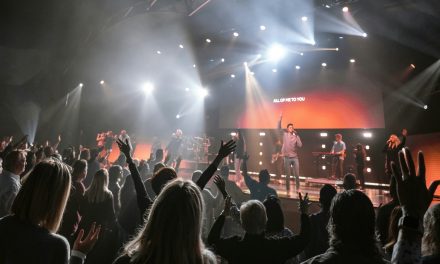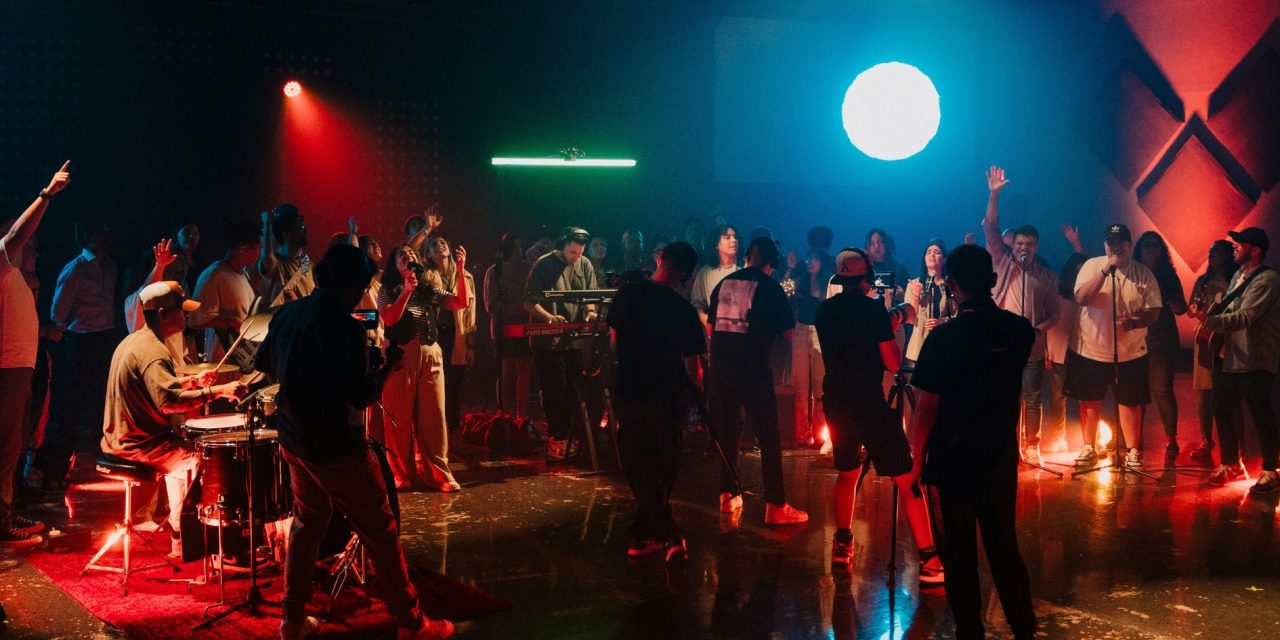
Behind every memorable worship anthem lies not only inspiration but often collaboration — a creative partnership that blends voices, visions, and styles to reach hearts more deeply.
In recent years, collaborative worship has become more than a trend. It has become a transformative force shaping both sound and spirit. From global duets to digital partnerships, the synergy between artists has redefined what faith-driven music can accomplish.
Broadened Audience Reach
Collaboration opens doors that individual artistry rarely can. When worship artists collaborate with mainstream producers or cross-genre performers, their message extends beyond familiar pews and playlists. In some cases, these partnerships can amplify audience reach by more than 150%. This helps introduce faith-infused music to listeners who might not otherwise encounter it.
A striking example is Hillsong Young & Free’s collaboration with Skrillex on “Alive,” which achieved over five million Spotify streams in just a few weeks. Likewise, Lauren Daigle’s partnership with Lecrae on “Come Alive” led to a 70% surge in her online following — proof that shared audiences can multiply impact.
To make the most of such opportunities, artists should engage their followers during the collaboration phase. Behind-the-scenes content, dual live sessions, and shared release countdowns can boost anticipation while uniting fan bases under one unified sound.
Creative Synergy
The heart of collaboration lies in creative chemistry — that moment when distinct voices merge into something fresh and compelling. In worship music, this synergy fosters new textures and emotional depth, breathing life into familiar themes of hope and grace.
Consider Lady Gaga and Elton John’s “Sine from Above,” which fused pop and rock in a bold harmony, or Kendrick Lamar and SZA’s “All the Stars,” blending hip-hop with R&B for a powerful crossover statement. Worship artists can draw similar lessons from such unions — that genre boundaries often dissolve when passion and purpose align.
To cultivate this energy, creators can do the following:
- Host digital jam sessions
- Experiment with unfamiliar sounds
- Use collaboration tools like Splice to exchange stems and lyrics seamlessly
Each shared note becomes a step toward broader artistic expression — and ultimately, a deeper spiritual resonance.
Conclusion
Collaboration in worship isn’t merely about making music together; it’s about magnifying the message of faith through unity. When artists blend their distinct voices, they not only enrich worship experiences but also model the very harmony their songs proclaim.
How could your next worship project sound if shaped by more than one vision? Find your next creative partner and expand your ministry’s reach with insights from DLK Praise and Worship!