Virtual worship is moving into a new phase, where music is no longer simply adapted for online use but intentionally designed for digital-first congregations. As technology, listener habits, and church communities continue to evolve, worship music is being reshaped to meet the spiritual and practical needs of virtual spaces.
Looking ahead, the future of virtual worship music will rely on smarter sound design, more participatory setlists, and tools that help online congregations feel present rather than passive. From hybrid worship formats to AI-assisted planning, these emerging trends reveal how worship leaders are preparing music not just for today’s streams, but for the next generation of connected worship experiences.
The Rise of Hybrid and Fully Virtual Worship Models
Virtual worship has reshaped how music functions within church services, especially as hybrid formats become the new norm.
Many congregations now design worship sets with both in-room and online listeners in mind. Songs with clear melodies, steady tempos, and repeated choruses translate better through livestreams and encourage participation from home. This shift places greater emphasis on congregational-friendly keys, simplified arrangements, and intentional pacing.
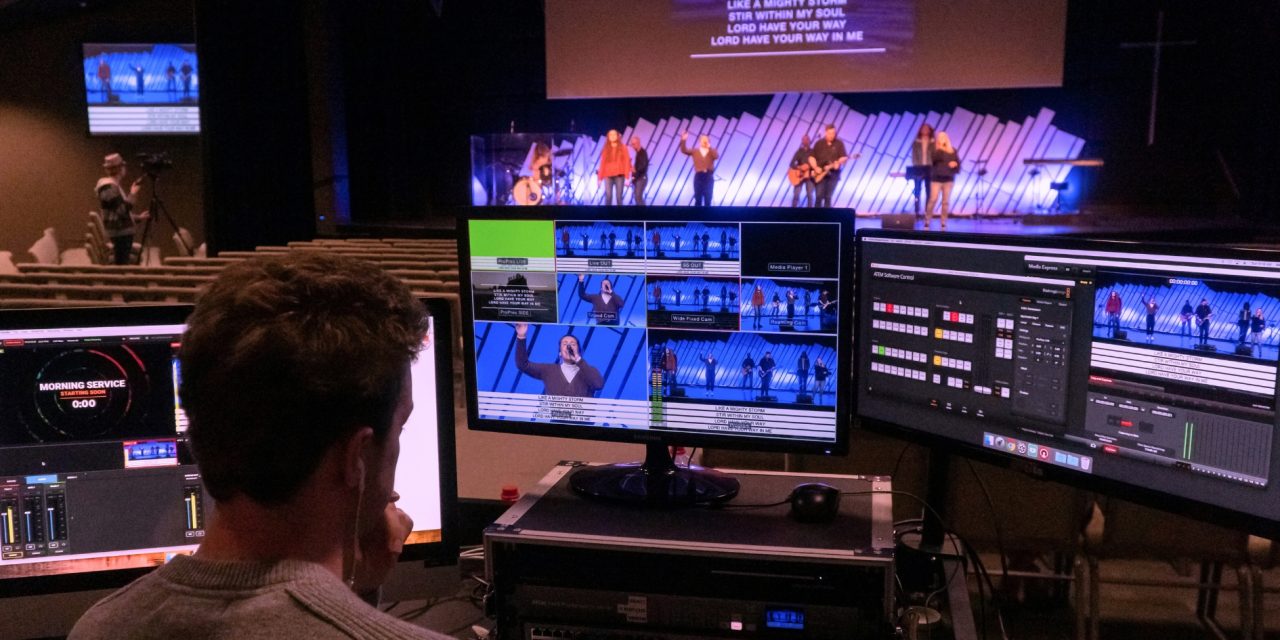
Streaming platforms such as YouTube Live, Facebook Live, and Zoom have also influenced musical structure. Shorter worship sets, smoother transitions, and spoken moments between songs help maintain engagement in digital spaces. Worship leaders increasingly plan music around attention spans and audio clarity rather than room acoustics alone.
Regular feedback from online congregants plays a vital role here. Polls, chat engagement, and post-service responses help leaders refine setlists that resonate across both physical and virtual environments.
AI and Technology in Virtual Worship Music Planning
Technology is now deeply embedded in how virtual worship music is prepared, delivered, and experienced.
AI-assisted planning tools help worship leaders analyze past services, engagement patterns, and song responses to guide future music choices. Platforms like Planning Center simplify scheduling and coordination, while emerging AI tools assist in predicting which songs best serve online participation.
Music recommendation systems can now support worship leaders by suggesting keys, tempos, and arrangements that work well for livestream audio. This reduces technical friction and allows leaders to focus more on spiritual flow and less on troubleshooting.
Additionally, improved audio interfaces, digital mixers, and mobile worship setups enable consistent sound quality for virtual services. When music sounds clear and balanced, online congregants are more likely to sing along, reflect, and remain engaged throughout the service.
Conclusion
Virtual worship music continues to mature as churches recognize online spaces as sacred environments rather than secondary options.
Through thoughtful setlist planning, adaptive technology, and intentional musical choices, worship leaders can create online experiences that feel participatory, reverent, and spiritually grounded. As virtual congregations grow, music remains one of the most powerful ways to unite worshippers across distance and screens.
How can your worship music better invite participation from online congregants each week? Explore more insights on shaping meaningful virtual worship experiences at DLK Praise and Worship, where faith, music, and modern ministry meet.