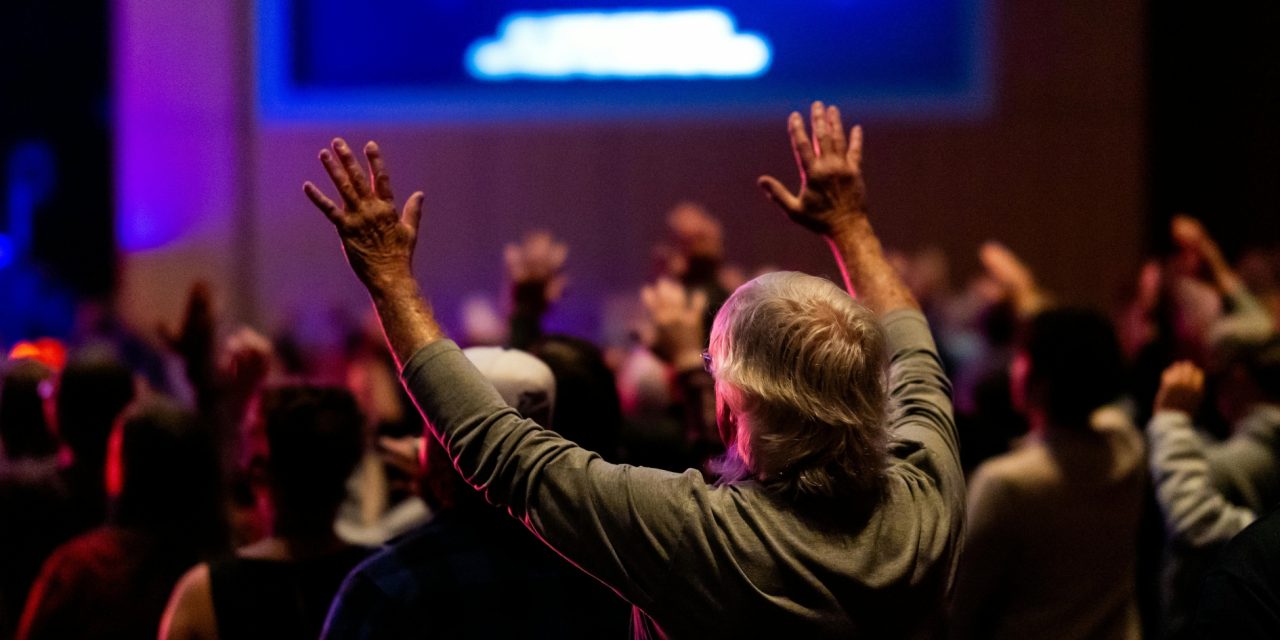
Intimate worship nights often sound simple on paper: fewer people, softer music, deeper moments. In practice, they demand far more intentionality than large Sunday services. These gatherings strip worship down to its essentials, which means every decision carries weight.
From musical style to lighting, from volunteers to budgets, small missteps feel much larger in close, reflective settings. Understanding the challenges churches face is essential for creating worship nights that feel authentic, inclusive, and spiritually grounded rather than awkward or underprepared.
Balancing Tradition with Innovation in Intimate Settings
One of the most delicate challenges churches face during intimate worship nights is balancing tradition with innovation. Smaller gatherings often encourage creative freedom, yet long-standing worship practices still shape congregational expectations. Introducing contemporary elements, such as praise bands, acoustic sets, or multimedia visuals, can bring fresh energy, but they may also create tension among members who value familiar hymns and a structured liturgy.
For example, one church that introduced a rock band into its regular services saw a 30% increase in attendance among young families. However, this same shift caused discomfort among long-time members who preferred traditional worship styles. In contrast, another congregation found success by hosting occasional modern worship nights while maintaining traditional services on Sundays.
This intentional separation allowed both expressions to coexist without competition, fostering unity rather than division. Feedback surveys proved especially valuable in these transitions, giving members a voice and helping leaders refine the worship experience without alienating any group.
Resource Allocation and Planning for Worship Nights
Intimate worship nights may feel smaller, but they still require careful planning and responsible resource allocation. Churches must thoughtfully manage budgets, volunteers, and facilities to ensure the event runs smoothly without unnecessary strain. Clear planning prevents last-minute stress, which can easily disrupt the spiritual focus of the evening.
Creating a realistic budget begins with listing all potential expenses, including sound equipment, microphones, speakers, and refreshments. Organizational tools like Trello can help teams assign tasks, track costs, and coordinate volunteers efficiently. Some churches reduce expenses by borrowing equipment from local businesses or partnering with nearby congregations to share resources.
Allocating funds for simple marketing, especially through social media, also helps increase attendance without high cost. Regularly reviewing the budget as decisions are finalized ensures that no critical detail is overlooked.
Conclusion
Intimate worship nights offer powerful opportunities for deeper connection, but they are not effortless to execute. Balancing tradition with innovation and managing resources wisely requires clarity, humility, and ongoing communication. When these challenges are addressed intentionally, worship nights can become spaces of genuine encounter rather than logistical strain.
Careful planning does not diminish spontaneity; it protects it. With thoughtful leadership, intimate worship nights can remain spiritually rich, inclusive, and sustainable.
What challenges might your church need to address before hosting a truly meaningful, intimate worship night? Explore deeper insights on worship planning and spiritual depth at DLK Praise and Worship, where thoughtful preparation meets authentic devotion.