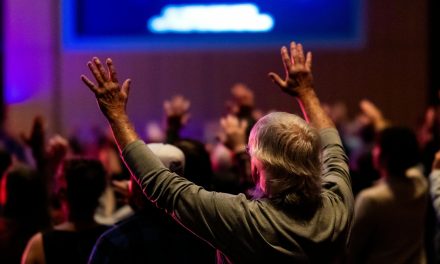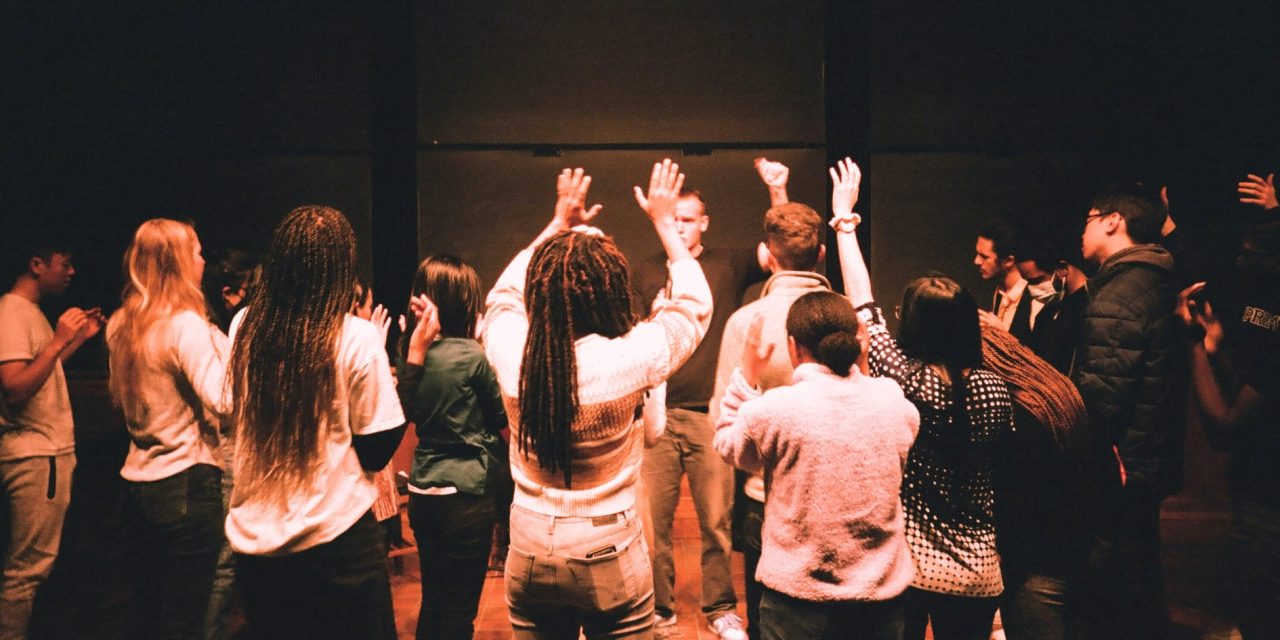
In a church culture often shaped by busy calendars and large gatherings, intimate worship nights offer something quietly powerful. They slow the pace, soften the room, and create space for genuine connection through worship, prayer, and shared presence. Rather than focusing on performance or scale, these gatherings emphasize closeness—both with God and with one another.
As local churches look for meaningful ways to deepen engagement, intimate worship nights are proving to be more than a moment of music. They are becoming catalysts for stronger relationships, renewed participation, and a deeper sense of belonging within the church community.
Fostering Deeper Relationships Through Shared Worship
Intimate worship nights naturally encourage deeper relationships by creating an environment where people feel seen, heard, and spiritually supported. Smaller settings allow worship music, group prayer, and personal testimonies to feel personal rather than distant, helping congregants connect beyond surface-level interactions.
When members worship together in a relaxed and open atmosphere, trust grows more easily. In one local church, an intimate worship night led to a noticeable increase in small-group participation in the weeks that followed.
Simple planning tools, such as Eventbrite, can help churches organize these gatherings smoothly, while feedback forms offer insight into how attendees experience the event. Encouraging members to share reflections afterward often strengthens bonds and extends the impact well beyond the evening itself.
Enhancing Congregational Engagement and Involvement
Regular worship nights have also shown a strong connection to increased congregational engagement. Churches that host consistent, intimate worship gatherings often see renewed interest in aspects, such as:
- Volunteering
- Ministry involvement
- Weekly services
Studies have shown that participation in worship-focused events can lead to higher volunteerism and deeper commitment across church programs.
By blending worship music, prayer moments, and short testimonies, churches create a participatory experience rather than a passive one. This sense of involvement helps congregants feel like contributors to the church’s life, not just attendees. Over time, this engagement often carries into other areas, such as outreach efforts, Bible studies, and leadership development.
Conclusion
Intimate worship nights serve as more than special events; they act as relational anchors within local church communities. By prioritizing connection, shared worship, and participation, these gatherings strengthen faith relationships and encourage ongoing engagement. For churches seeking deeper unity and renewed involvement, intimate worship nights offer a simple yet meaningful path forward.
How could creating more intimate worship spaces deepen connection and participation in your church community? Explore more insights on worship, community, and spiritual growth at DLK Praise and Worship.