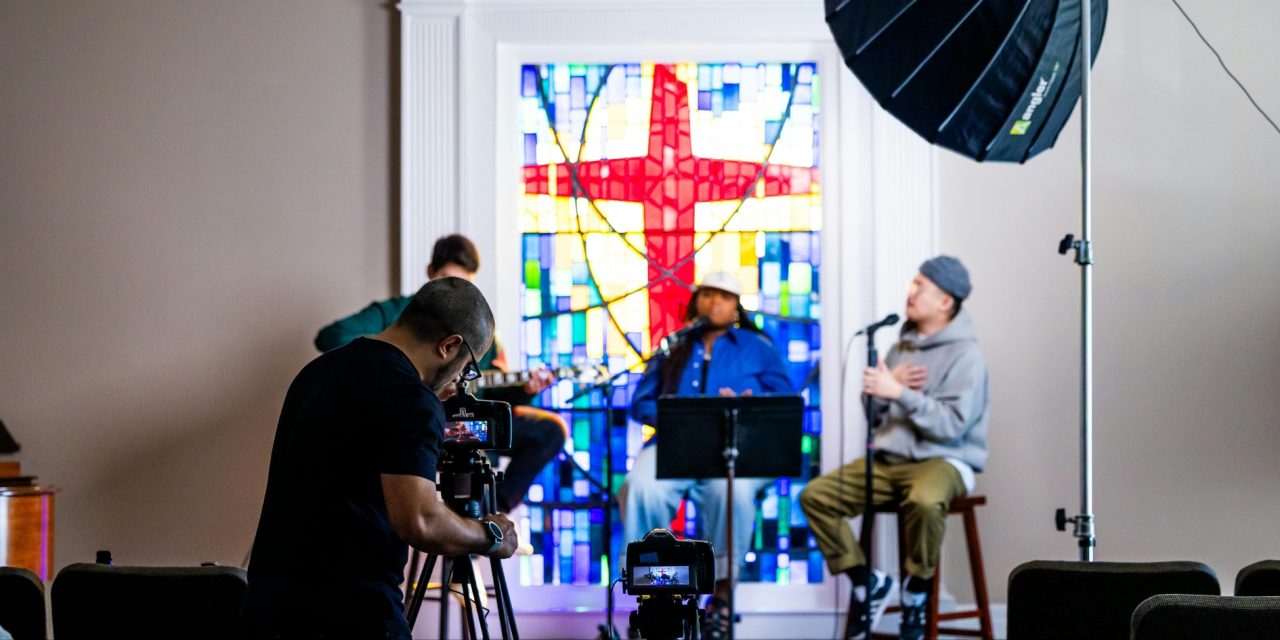
Worship music is no longer shaped only by large studios or established church networks. Today, it is increasingly formed in shared documents, home studios, and small collaborative circles rooted in community. This shift is changing not just how worship songs are produced, but how they are written, shared, and experienced.
Modern worship movements are embracing collaboration and do-it-yourself production methods that make songwriting more accessible and deeply personal. These trends reflect a growing desire for authenticity, flexibility, and collective creativity within faith-based music spaces.
Collaborative Songwriting Practices in Worship Music
Collaborative songwriting is becoming a defining feature of contemporary worship music, especially within church teams and cross-ministry partnerships. Rather than relying on a single songwriter, many worship groups now develop songs together, blending lyrical ideas, melodies, and theological perspectives.
Digital tools play a major role in this process. Platforms like Google Docs allow multiple contributors to write lyrics and refine phrasing in real time, making collaboration seamless even across different locations. Visual tools such as Miro are also used to map song structures, themes, and emotional flow before melodies are finalized.
Well-known worship collectives, including Hillsong and its collaborators, demonstrate how diverse musical backgrounds can strengthen songwriting depth. Regular co-writing sessions help teams create songs that feel communal, grounded, and reflective of shared worship experiences.
DIY Recording and Independent Distribution in Worship Music
DIY recording has opened new creative paths for worship leaders and church musicians who want to produce music without major label support. Affordable tools now make it possible to record high-quality worship tracks from home or church spaces.
Software like Audacity and GarageBand allows worship leaders to record vocals, instruments, and simple arrangements with minimal technical barriers. Once completed, distribution platforms such as DistroKid make it easy to release worship music to streaming services while retaining ownership and control.
Bandcamp offers another valuable option by supporting direct-to-listener sales, helping worship artists fund future projects while strengthening community connection. These tools have empowered many churches to release worship albums, devotion-focused songs, and congregational resources that reflect their unique spiritual identity.
Conclusion
The rise of collaboration and DIY production marks a meaningful shift in worship music culture. These trends prioritize shared creativity, accessibility, and authenticity over polished perfection. As more worship leaders embrace collective songwriting and independent production, worship music continues to grow closer to the communities it serves.
This evolution does not replace tradition—it expands it, allowing more voices to contribute to the sound of modern faith.
How might collaborative songwriting and DIY production reshape the way your community experiences worship music? Explore more insights on evolving worship movements and creative ministry at DLK Praise and Worship.