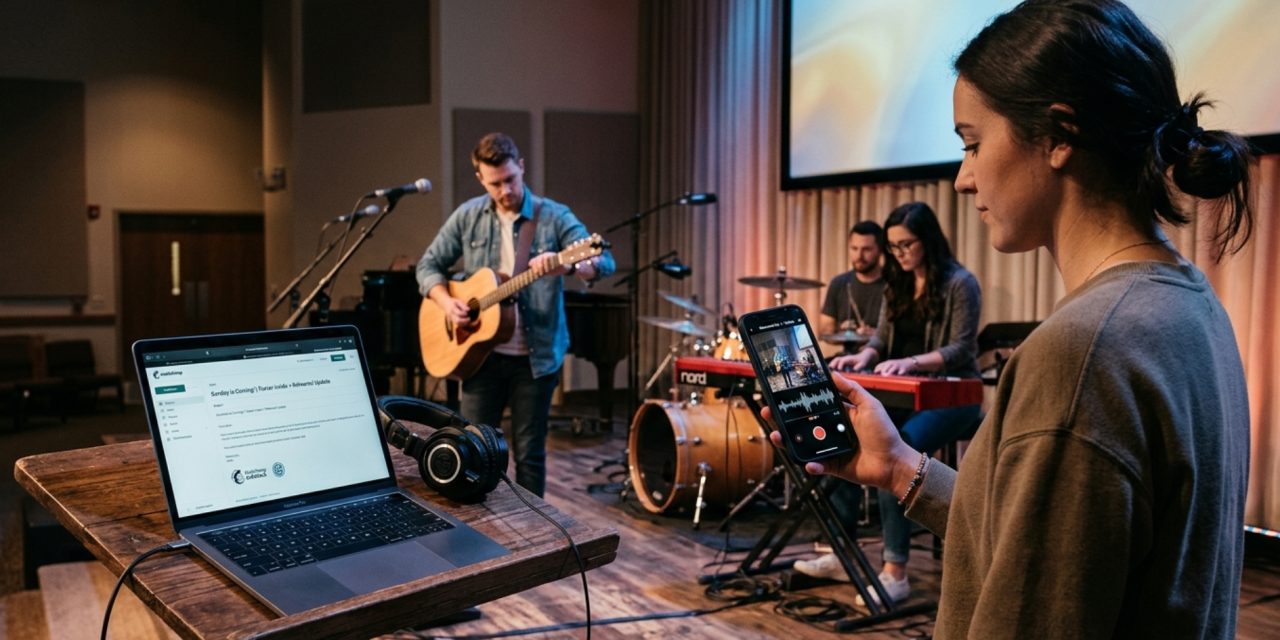
Introducing a new worship song to a congregation rarely works if it appears out of nowhere on Sunday morning. Even the best songs need familiarity before people feel confident singing them together.
That’s why many worship ministries now use pre-streaming teasers to introduce a song gradually before its official debut. Short previews shared through social media, rehearsals, and church communication channels help the melody settle in early.
Teams like Bethel Music have used this strategy effectively. Their release of Raise a Hallelujah gained massive attention through a large pre-save campaign and teaser clips shared ahead of the official launch.
When churches adapt similar principles on a smaller scale, congregations arrive on Sunday already recognizing the hook, which makes the first live performance far more engaging.
Using Social Media Snippets to Spark Curiosity
Short social media clips are one of the simplest ways to introduce a new worship song. Platforms like Instagram and TikTok make it easy to share quick musical moments that build anticipation.
A simple rollout schedule might include three teaser posts spaced across one week:
Day 1 — Chorus Hook
Share a 15-second clip highlighting the main chorus melody. Add a lyrics overlay so viewers can follow along easily.
Day 3 — Bridge Moment
Post a short clip from the bridge where the song builds emotionally. These moments often become the most powerful sections during congregational singing.
Day 7 — Full Hook Reveal
Release a slightly longer snippet that combines the main refrain with the song’s musical peak.
Visual templates created with tools like CapCut or Canva help keep these posts consistent and visually engaging.
Encouraging people to share the clips or comment with personal reflections can also boost engagement. Sometimes members even begin singing the chorus at home before the song ever appears in a service.
Preparing the Congregation Through Email Previews
Social media generates excitement, but email communication helps deepen the connection to the song’s message.
Many churches send a short three-part email sequence to introduce the story behind the song and help people understand its spiritual theme.
Email platforms like Mailchimp make it easy to schedule this type of sequence.
Monday — The Story Behind the Song
Share a short reflection explaining why the worship team chose the song. Including a Scripture reference or personal testimony can help the congregation connect with the message.
Wednesday — Audio Preview
Send a short demo clip or rehearsal recording so listeners can hear the melody. Highlight the key lyrical phrase that will anchor the chorus.
Friday — Lyrics and Chords
Provide a printable lyric sheet or chord chart. Many churches also connect these resources to planning tools like Planning Center, allowing musicians to prepare ahead of Sunday.
By the time the worship team leads the song live, many members will already recognize the words and melody.
Conclusion
Introducing a new worship song works best when the congregation hears it before the official debut. Pre-streaming teasers create curiosity, familiarity, and excitement well before Sunday arrives.
Short clips, rehearsal previews, and thoughtful email communication help plant the song in people’s minds early. When the song finally appears in a service, it already feels familiar rather than unfamiliar.
This gradual approach allows the congregation to participate confidently from the very first time they sing it together. Instead of learning a song on the spot, they simply join a melody they already recognize.
For worship leaders, that small shift can make the difference between a hesitant first attempt and a powerful moment of unified praise.
Have you ever heard a worship song in church and felt like you already knew the chorus before the band even taught it? Tell us what helped that song stick with you, and keep discovering practical worship leadership insights only at DLK Praise and Worship!