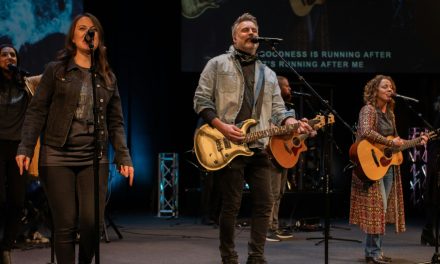
Singing in worship often feels effortless, almost automatic, yet it carries deep theological weight. Most believers sing without thinking twice about why it matters, which is slightly ironic given how intentional Scripture is about music.
From ancient psalms to modern worship songs, singing has always served as more than emotional expression; it has been a structured, meaningful act of faith that shapes belief and strengthens community.
Biblical Mandates for Worship Through Song
The Bible clearly establishes singing as a core component of worship, not an optional enhancement. Colossians 3:16 emphasizes that singing teaches and admonishes believers, anchoring doctrine in shared musical expression. This passage reveals that worship songs function as theological tools, reinforcing truth while fostering mutual encouragement within the community.
Ephesians 5:19 reinforces this mandate by linking singing directly to spiritual life and devotion. The verse connects songs, hymns, and spiritual songs to gratitude and intentional worship toward God.
Psalm 95:1 further invites believers into joyful participation, suggesting that singing is an active response to God’s presence rather than a passive ritual. Together, these scriptures show that singing shapes understanding, nurtures faith, and unites believers around shared truth.
The Role of Music in Prayer and Praise
Music also plays a significant role in deepening prayer and praise by engaging emotion alongside theology. Its melodic structure helps believers slow down, reflect, and respond more fully during moments of devotion.
Songs like 10,000 Reasons (Bless the Lord) by Matt Redman and What a Beautiful Name by Hillsong Worship have become powerful prayer tools in many congregations, guiding worshippers into reverence and surrender.
When these songs are thoughtfully incorporated into worship services, they often enhance prayer rather than distract from it. Many churches now use curated YouTube playlists to support a smooth flow between prayer and music, creating space for deeper spiritual engagement. This intentional use of music allows prayer to move beyond spoken words, helping worshippers connect heart, mind, and spirit in unified praise.
Conclusion
Singing in worship is deeply theological, communal, and transformative. It teaches doctrine, supports prayer, and reinforces unity within the body of believers. Far from being a background element, music carries faith into memory and emotion, helping believers live out what they profess.
When worshippers understand the foundation behind what they sing, music becomes more than sound. It becomes a shared declaration of belief and a powerful expression of devotion.
How might your worship deepen if you became more aware of the theology behind the songs you sing? Continue exploring worship, faith, and musical expression with thoughtful insights at DLK Praise and Worship.