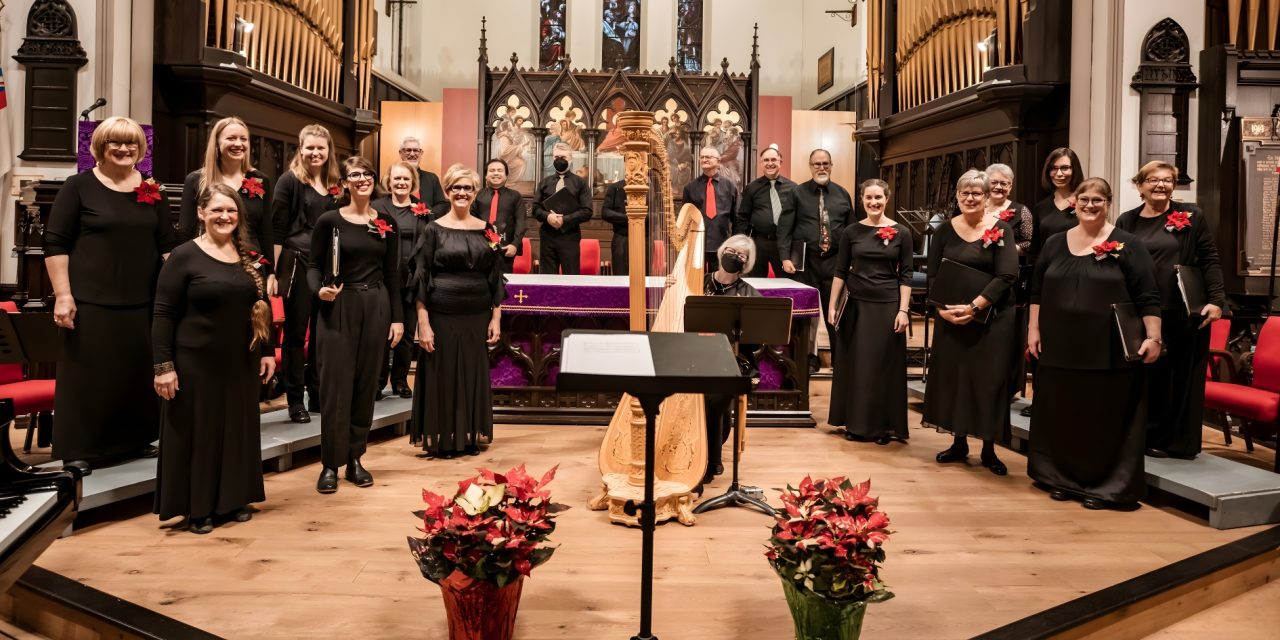
Worship choirs don’t just “sound nice”—they engineer the emotional temperature of a service. Anyone who has ever felt chills during a perfectly placed harmony knows this.
Behind those moments is intentional musical design: smart arrangements, thoughtful instrumentation, and an understanding of how sound shapes spiritual connection. When choirs build with purpose, worship becomes more than music—it becomes an atmosphere of devotion.
Harmonies and Arrangements That Transform the Room
Harmonies are the secret architecture of worship music. They turn simple melodies into layered experiences that feel immersive, warm, and spiritually grounding. A well-crafted SATB arrangement—like the versions often used for “In Christ Alone”—does more than fill sonic space. It creates depth that lifts the congregation into fuller emotional connection.
Dynamic contrast intensifies that experience. Soft verses followed by powerful, full-choir choruses guide listeners through a narrative arc. Those shifts are intentional; they keep the congregation engaged and help the message land with clarity. Many choirs use notation tools like Finale or MuseScore to test voicings, adjust blend, and visualize the emotional flow before stepping into rehearsal.
Arrangements aren’t just technical decisions—they’re spiritual ones. When harmonies support the message, the music carries more weight, and worship takes on a deeper sense of reverence and unity.
Instrumentation That Shapes Atmosphere and Participation
Instrumentation influences how people respond before they even sing a word. A piano can create warmth and calm, making it ideal for both traditional hymns and modern ballads. Meanwhile, acoustic guitars introduce intimacy and approachability. Percussion adds energy and movement, helping praise-focused moments feel celebratory rather than static.
Larger congregations often blend strings—violins, cellos, or both—to add emotional richness. These textures elevate familiar songs, giving even well-known hymns fresh dimension. And yes, digital enhancements play a modern role too. Platforms like WorshipHouse Media allow teams to pair audio with subtle visuals or ambient pads, reinforcing the spiritual tone without overwhelming the live choir.
Each instrument brings something unique, but the artistry lies in balance—creating a sound bed that supports worship rather than competing with it.
Conclusion
When worship choirs combine thoughtful harmonies with intentional instrumentation, they create moments that resonate long after the final chord fades. These musical elements shape the emotional and spiritual environment, helping congregations feel connected, grounded, and truly present in worship.
What could your choir unlock if the musical elements you choose were treated like intentional creative tools instead of background details? Dive deeper with DLK Praise and Worship, where we break down the craft behind worship moments!