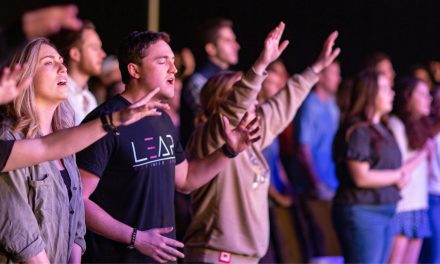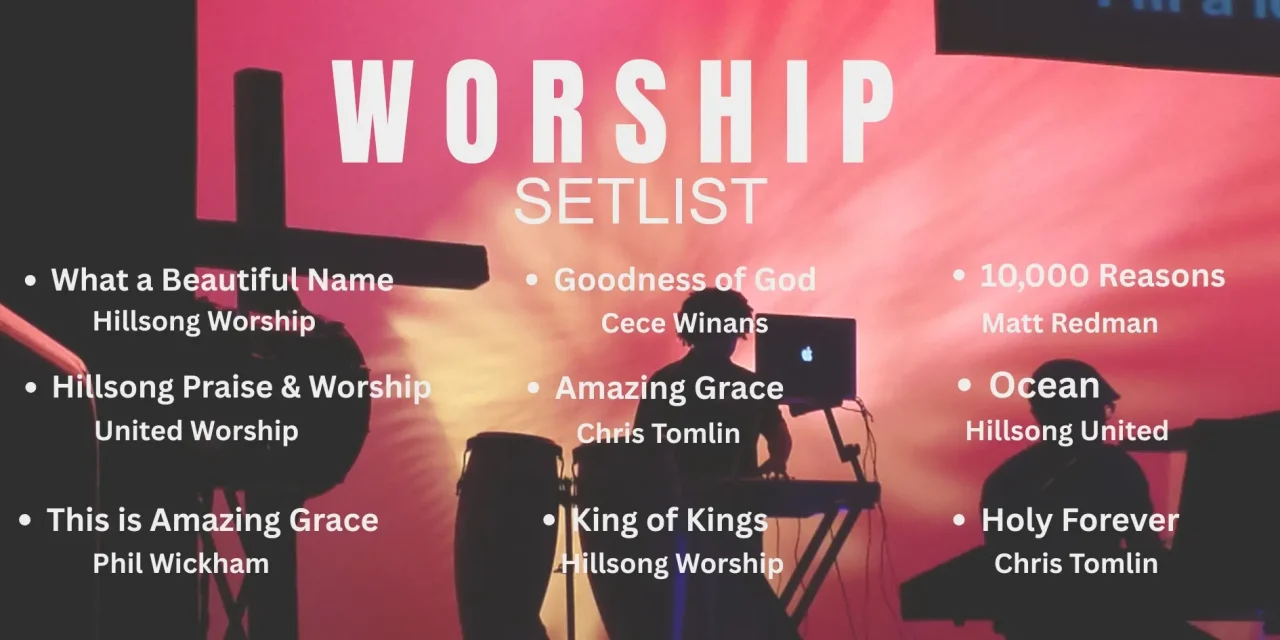
A well-crafted worship setlist does more than organize songs—it shapes the emotional and spiritual flow of a service. When thoughtfully designed, a setlist invites congregants to move from reflection to praise, from listening to participation, and from individuality to shared expression.
In modern worship settings, engaging the congregation requires intentional song selection, pacing, and moments of interaction. Worship setlists have become a powerful tool for fostering connection, encouraging unity, and helping congregations actively take part in the worship journey rather than observe it passively.
Encouraging Participation Through Intentional Setlist Design
Effective worship setlists are built with participation in mind. Song familiarity, lyrical clarity, and melodic accessibility all influence whether congregants feel confident joining in. Opening a service with a well-known, uplifting song can immediately draw people into collective worship and lower barriers to engagement.
Mid-set transitions offer opportunities to deepen connection. Incorporating reflective songs, scripture readings, or brief spoken moments between songs allows worship leaders to guide the congregation emotionally and spiritually. These transitions help the setlist feel cohesive rather than rushed, encouraging attentiveness and shared focus.
Variety within the setlist also matters. Blending high-energy praise songs with quieter worship moments gives space for both communal expression and personal reflection. When setlists are balanced and intentional, congregants are more likely to stay engaged throughout the service.
Strengthening Connection Through Shared Worship Moments
Worship setlists can also be designed to strengthen relational connection within the congregation. Repeating certain songs across multiple services or seasons builds familiarity and shared identity. Over time, these songs become anchors that connect people through memory and meaning.
Interactive elements can be woven naturally into setlists. Moments of congregational singing without instrumental backing, call-and-response sections, or guided prayer between songs encourage active involvement. These shared experiences reinforce a sense of belonging and mutual participation.
Beyond the service itself, gathering feedback on worship songs and setlists helps leaders better understand what resonates with their community. This ongoing dialogue allows worship teams to refine future setlists in ways that reflect the spiritual needs and voices of the congregation.
Conclusion
Worship setlists are more than song lists—they are frameworks for connection, participation, and spiritual movement. When designed with intention, they help congregations worship together with confidence, unity, and purpose. Thoughtful setlist planning creates space for both collective praise and meaningful reflection, strengthening the worship experience for everyone involved.
How might a more intentional worship setlist transform participation within your congregation? Discover practical insights and worship-leading resources at DLK Praise and Worship, where thoughtful planning meets meaningful praise.