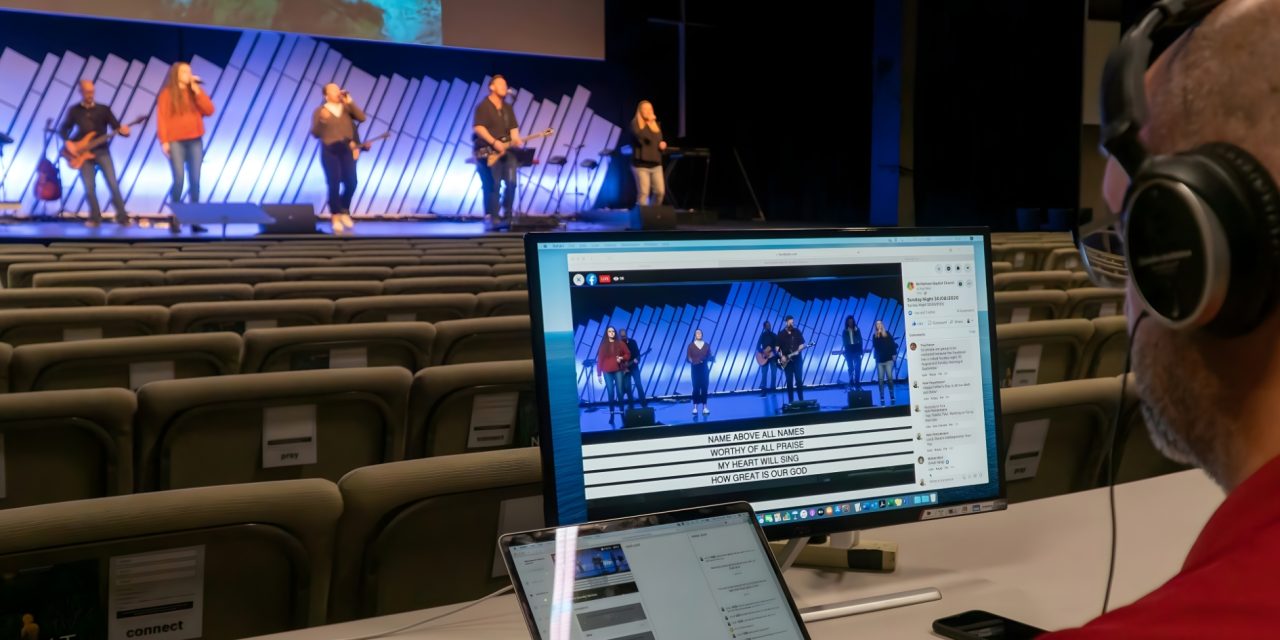
Once upon a time, worship music lived almost exclusively inside church walls, bound by service times and printed song sheets. Now it lives in pockets, playlists, and late-night headphone moments.
Technology hasn’t replaced worship; it has stretched it. What used to happen once or twice a week now follows people into commutes, workouts, and quiet evenings at home. That shift brings opportunity, responsibility, and a few awkward learning curves for churches figuring out where the “mute” button went.
Streaming Platforms and the New Accessibility of Worship Music
Streaming platforms like Spotify and Apple Music have transformed how worship music is accessed, shared, and sustained beyond Sunday services. With more than 60% of listeners using streaming services, worship is no longer tied to a sanctuary or rehearsal schedule. Churches can now curate worship playlists that align with the church calendar, pairing celebratory Easter anthems with reflective Lent selections that support spiritual rhythm throughout the year.
Collaborative playlist features allow congregants to participate in song selection, which subtly shifts worship from consumption to contribution. A healthy mix of contemporary worship songs and familiar hymns helps bridge generational gaps without forcing stylistic compromise. Regular playlist updates also matter more than many churches realize. Fresh additions signal intentional leadership and encourage congregants to keep engaging during the week, not just during services.
Social Media as a Tool for Worship Community and Connection
Social media has become a practical extension of worship culture, especially for churches seeking connection beyond physical gatherings. Platforms like Instagram and Facebook allow worship leaders to share moments that feel human, not just polished. Hillsong Worship uses Instagram to post short worship clips and behind-the-scenes content that reinforces authenticity and consistency. Bethel Music regularly streams worship sessions on Facebook, inviting real-time participation from a global audience.
Effective use of social platforms requires more than posting songs. Responding to comments, hosting Q&A sessions, and running simple polls invites conversation rather than broadcasting. When used thoughtfully, social media strengthens community bonds and extends worship engagement throughout the week, without turning faith into a performance metric.
Conclusion
Technology has not changed the heart of worship, but it has expanded its reach and reshaped its rhythm. Streaming platforms keep worship present in daily life, while social media turns distant listeners into active participants. When churches approach these tools with intention rather than trend-chasing, technology becomes a servant to worship, not a distraction from it.
Where does worship show up for you now—only in church, or woven into everyday moments? DLK Praise and Worship explores how technology can deepen worship without losing its heart.