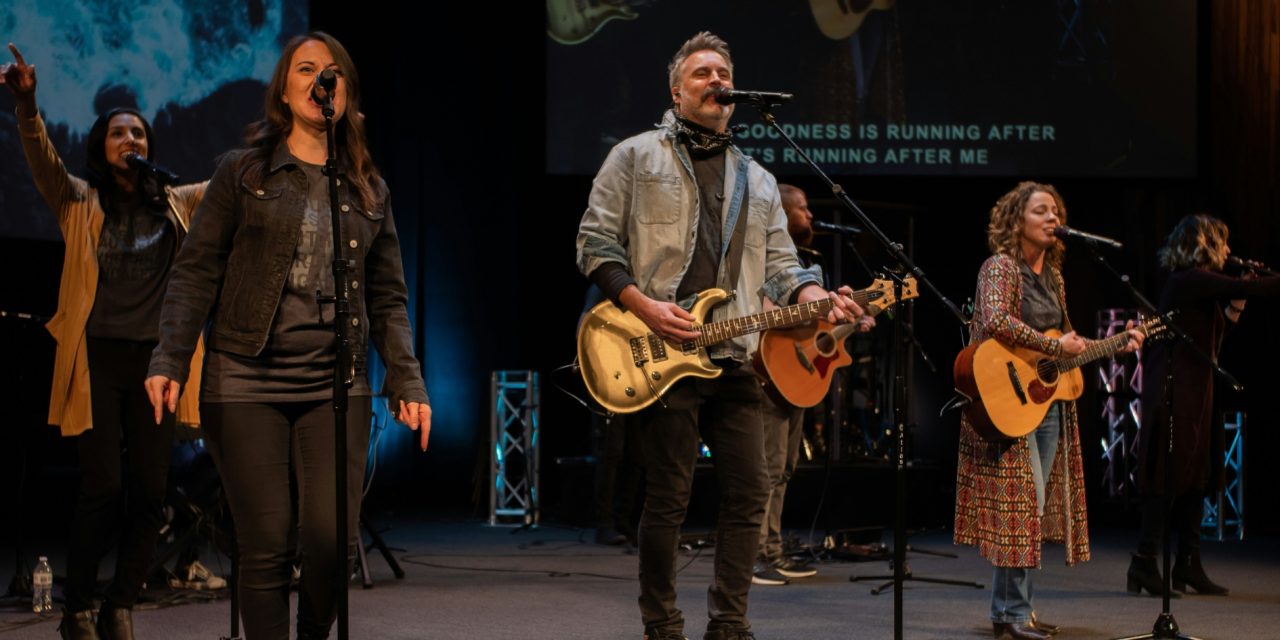
Acoustic worship has a way of making a room feel both intimate and awake—like the spiritual equivalent of opening a window and letting fresh air in. Without the distraction of heavy production, people hear themselves, hear each other, and realize they’re part of something bigger than one voice and one guitar.
It invites stillness, unity, and honest expression, creating a setting where participation feels natural rather than pressured. And when a congregation leans in together, the entire atmosphere deepens in ways that transform ordinary moments into memorable worship encounters.
Encouraging Participation Through Intentional Practices
Strong participation doesn’t happen by accident; it grows from thoughtful, practical tools that make people feel included. Call-and-response moments work beautifully in acoustic settings because they encourage immediate involvement and build confidence among worshippers. Simple lyric sheets—or projected slides—remove barriers, helping everyone follow along without hesitation.
Small-group worship sessions foster familiarity, giving members space to express their faith in a more relaxed environment. Rotating song selections also keeps things fresh, ensuring the music stays engaging and meaningful.
When worship leaders provide occasional vocal training or warm-ups for choirs and team members, it strengthens the sound while boosting morale. These intentional practices bring people together and help even the quietest voices find courage.
Strengthening Community Through Acoustic Connection
Acoustic worship creates a unique environment for unity. The stripped-back format highlights authenticity, making space for vulnerability, reflection, and shared devotion. People respond more freely because the music feels accessible, inviting them to participate rather than spectate. This sense of closeness enriches spiritual connection and encourages mindfulness throughout the gathering.
When communities implement strategies that support involvement—like group singing moments or guided transitions—they create a worship flow that feels inclusive and alive. The result is a congregation that participates wholeheartedly, building bonds that extend far beyond the final chord.
Conclusion
Engaging the congregation in acoustic worship is more than a musical goal—it’s a communal expression of faith. Through simple tools, intentional participation, and heartfelt delivery, worship leaders can create spaces that feel warm, inviting, and spiritually grounding.
When people feel connected and included, the atmosphere becomes vibrant, honest, and deeply meaningful.
What new participation strategy could help your congregation feel more connected during acoustic worship this season? Find more worship insights, practical ideas, and creative ministry approaches at DLK Praise and Worship.