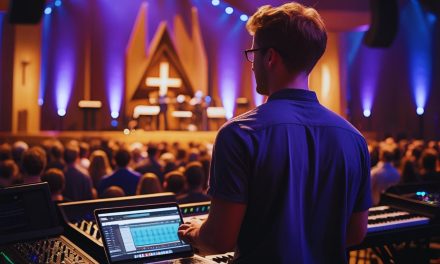
Praise music isn’t waiting quietly in the corner anymore—it’s evolving faster than most church committees can schedule a meeting. As culture shifts, technology accelerates, and global sounds blend, worship is entering a new era defined by bold creativity and broader reach.
Understanding these trends isn’t just interesting—it’s essential for anyone making, curating, or leading modern worship. From genre hybrids to global influences to platform-driven discovery, the future of praise music is being shaped right now, and those who stay ahead will serve congregations with music that feels meaningful, relatable, and spiritually alive.
New Sounds, New Spaces
Emerging genres like Christian hip-hop and praise pop are reshaping what worship can sound like. Christian hip-hop artists such as Lecrae and KB bring storytelling that feels raw, modern, and relatable, pairing scripture-inspired messages with beats that keep listeners hooked. Songs like Lecrae’s “Messengers” show how faith-filled content can thrive in a format once considered unlikely for worship spaces.
Praise pop is also rising fast. Artists like Lauren Daigle and Phil Wickham bridge traditional worship with mainstream appeal, inviting listeners through catchy melodies and clear, heartfelt messages. Tracks like “You Say” demonstrate how accessible songwriting encourages people who rarely listen to praise music to engage more deeply. Modern production techniques and strategic placement on platforms like Spotify and Apple Music help these genres reach younger audiences who discover faith through sound rather than sermons.
Worship Goes Global
Global influences are powering a new era in praise music. Afrobeat, known for its vibrant horns and rhythmic layers, is increasingly woven into worship arrangements, giving praise sessions a lively pulse. These upbeat patterns energize congregations and draw in younger listeners who recognize the familiar grooves from their everyday playlists.
Latin rhythms such as salsa and bachata are also joining the worship toolkit. Their warmth helps build community in diverse church settings where music becomes a shared language. Many churches now integrate instruments like congas, brass sections, and other culturally rooted elements to reflect their congregations more authentically. This infusion of global sound doesn’t just modernize praise—it deepens connection. Worship becomes a musical bridge where people feel seen, heard, and united.
Conclusion
Praise music is entering a bold future shaped by fresh genres, global influences, and tech-driven reach. The worship experience is becoming more vibrant and inclusive as artists experiment with new sounds that reflect the world around them. Instead of moving away from its purpose, praise music is expanding its language—ensuring every listener can find a rhythm that draws them closer to faith.
How will these evolving sounds influence how you worship in the coming years? Explore more praise-music insights at DLK Praise and Worship, where we follow every shift shaping tomorrow’s worship experience.