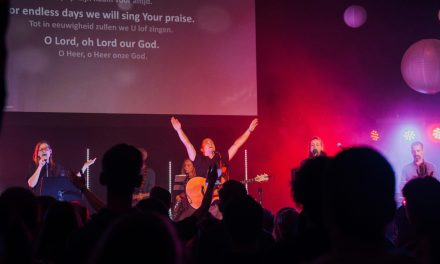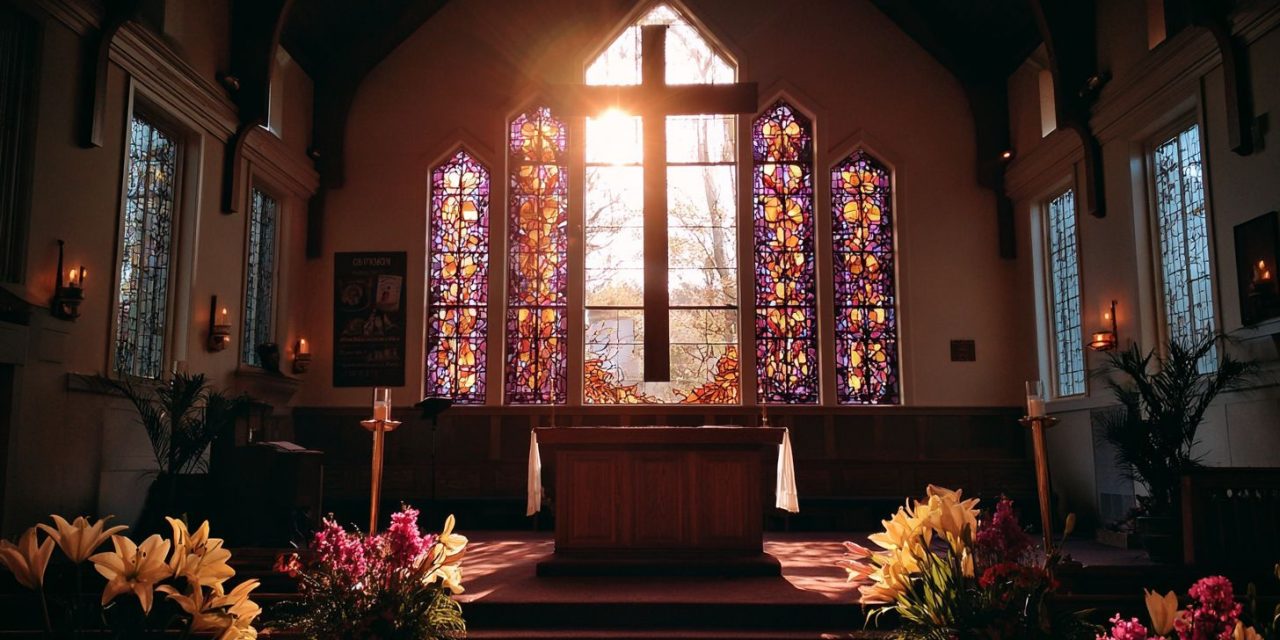
Picture your congregation holding their breath on Easter morning, then erupting in triumphant joy — that’s the power of a well-crafted worship arc.
Yet as Lent unfolds, why do services sometimes fizzle instead of building toward resurrection glory? It matters more than we realize, because spiritual formation happens through progression. The emotional and theological journey from suffering to victory must be intentional.
When you map the seasonal timeline, weave themes of suffering to triumph, and structure sermons and music to build emotional tension, you don’t just plan services — you create an unforgettable climax centered on the risen Christ.
Understanding the Easter Worship Arc
The Easter worship arc transforms Holy Week into a 7-day emotional and spiritual journey — from Palm Sunday’s triumph to Resurrection Sunday’s victory. This progression mirrors Jesus’ path from triumphal entry to crucifixion and resurrection, as recorded in the Gospel of John 20:1-18 and First Corinthians 15:20.
Churches that intentionally shape worship around this movement heighten the resurrection theme instead of flattening it.
The classic 3-act structure provides clarity:
- Act One: Rising tension from Palm Sunday through Good Friday.
- Act Two: The valley of Holy Saturday’s silence.
- Act Three: Explosive resolution on Easter Sunday.
Music selection, sermon arcs, prayer focus, scripture reading, and Easter hymns should trace this line. Imagine sketching a simple diagram: a rise at Palm Sunday, a sharp descent at Good Friday, a quiet pause on Holy Saturday, and a dramatic surge on Easter triumph.
This worship progression fosters thematic unity. Congregational singing builds intensity week by week, culminating in victory over death on Resurrection Sunday.
Defining the Resurrection Journey
To build that arc intentionally, map the resurrection journey across eight key moments of Holy Week. Each scene carries an emotional tone that shapes worship planning and service structure.
- Triumphal Entry (joyful, Matthew 21:1-11) — Palm Sunday
Begin with upbeat worship setlists, palm branches, and strong congregational singing. Anticipation starts here. - Last Supper (intimate, Luke 22:14-20) — Maundy Thursday
A communion service with reflective hymns and testimony sharing deepens the emotional tone. - Gethsemane (anguish, Mark 14:32-42) — Good Friday preparation
Acoustic sets and prayer focus create solemn weight. - Trial (betrayal, Gospel accounts)
Dramatic readings or simple visual storytelling evoke tension and injustice. - Crucifixion (despair, John 19:16-30) — Good Friday
Cross displays, slow tempo variations, and dim lighting design intensify the moment. - Burial (silence, Mark 15:42-47) — Holy Saturday
Minimal lighting and vigil prayer sustain the pause. - Resurrection (shock and joy, John 20:1-18) — Easter Sunrise
Explosions of resurrection songs release the built-up tension. - Appearances (discipleship, Luke 24:13-35)
Responsive readings from the Emmaus road and altar calls emphasize new life and mission.
When worship band, choir performance, sermons, and visuals align with these tones, the congregation experiences a cohesive Holy Week journey rather than isolated services.
Seasonal Timeline Planning
The Easter worship arc doesn’t begin on Palm Sunday. It begins 47 days earlier — on Ash Wednesday — and continues through Pentecost.
This extended progression builds anticipation for Resurrection Sunday. Start with repentance themes. Gradually intensify toward victory over death. Each week shapes worship flow toward the empty tomb narrative.
Use this 7-week timeline to structure church services intentionally:
| Week | Theme | Key Focus | Lectionary Scriptures |
| 1 | Ash Wednesday | Repentance and dust | Joel 2:12-17; Psalm 51 |
| 2 | Wilderness Temptation | Jesus resists sin | Deuteronomy 26:1-11; Luke 4:1-13 |
| 3 | Triumphal Entry Prep | Building to Palm Sunday | Isaiah 43:16-21; Philippians 3:4b-14 |
| 4 | Final Week Intensity | Teachings and conflict | Exodus 20:1-17; John 2:13-22 |
| 5 | Passion Week | Last Supper and betrayal | Isaiah 50:4-9a; Mark 14:1-15:47 |
| 6 | Easter Climax | Resurrection triumph | Isaiah 25:6-9; John 20:1-18 |
| 7 | Post-Resurrection | Doubting Thomas and hope | Acts 4:32-35; 1 John 1:1-2:2 |
Align scripture readings with sermon arcs and music selection. Coordinate worship band, choir performance, and visual elements for thematic unity.
Lent to Easter Week Mapping
Follow a clear 6-week calendar:
- Ash Wednesday
- Palm Sunday
- Maundy Thursday (foot washing)
- Good Friday Tenebrae
- Holy Saturday vigil
- Easter sunrise (5:45 am recommended)
Easter falls on the first Sunday after the first full moon following the vernal equinox. Track liturgical colors carefully — purple for Lent, black on Good Friday, white for resurrection joy. Let these guide the stage setup and Easter decorations, including cross displays and floral arrangements.
Progress candle lighting from 1 on Palm Sunday to 7 on Easter. Incorporate fasting schedules with prayer focus and worship devotionals.
Select hymns strategically:
- “Create in Me a Clean Heart” for Ash Wednesday
- “All Glory, Laud, and Honor” for triumphal entry
For Holy Week:
- Maundy Thursday communion service with foot washing
- Good Friday lighting design dimming to darkness
- Holy Saturday vigil with scripture reading from John 20
- Easter sunrise with baptism celebration and resurrection songs
Rehearse worship transitions carefully with your worship pastor and technical team. Smooth transitions protect the emotional arc you’ve worked so hard to build.
Conclusion
A powerful Easter celebration doesn’t begin on Easter morning.
It is formed through weeks of repentance, tension, silence, and expectancy. When your Easter worship arc is intentional, the resurrection doesn’t feel like a sudden mood shift — it feels like fulfillment.
By mapping the seasonal timeline, structuring sermons and music for emotional tension, and honoring the journey from suffering to victory, you help your congregation experience more than a holiday service.
Have you ever longed for your congregation to feel the weight of the cross before they rejoice at the empty tomb?
At DLK Praise and Worship, we’re committed to helping you shepherd that sacred journey with intention — so when Resurrection Sunday arrives, the joy isn’t manufactured, it’s earned, deeply felt, and spiritually transformative.