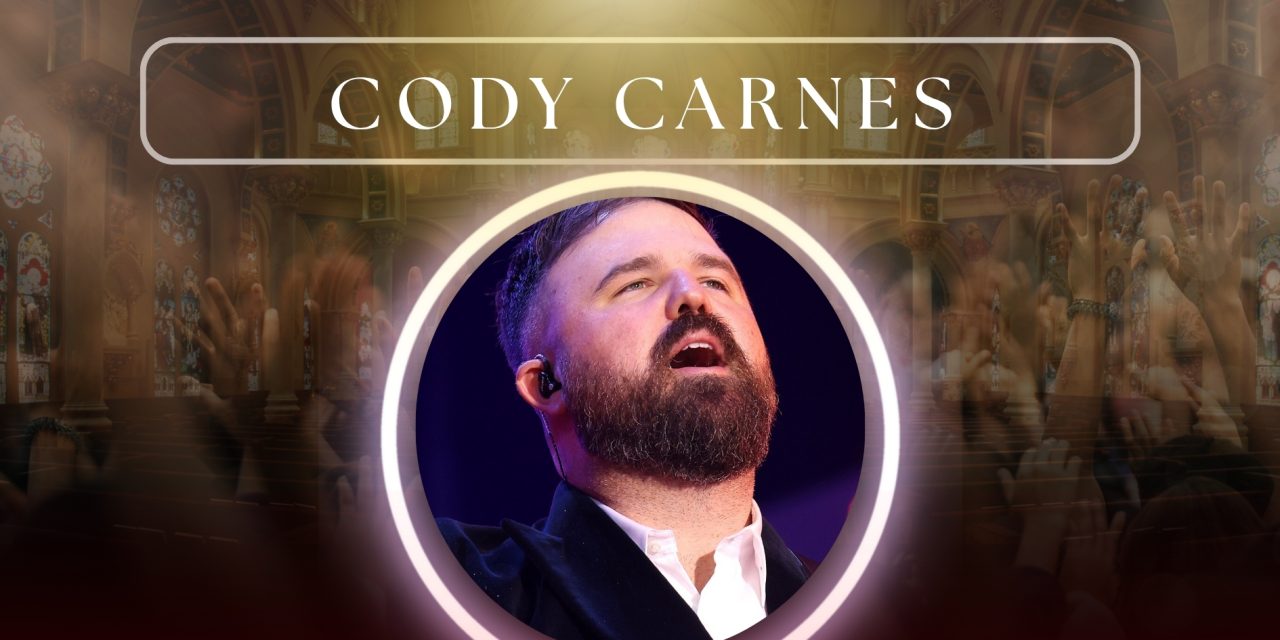
Every great worship voice has an origin story, but Cody Carnes’ feels like someone mixed childhood choir practice with divine persistence and a little Texas dust. His journey shows how early shaping, steady influences, and intentional musical choices form the foundation of a worship leader’s sound. It’s a reminder that behind every “new” worship moment is a lifetime of preparation, mentorship, and craft.
Background and Early Life
Cody Carnes grew up in a faith-focused Texas home where music, ministry, and community blended into everyday life. His family’s deep involvement in church activities created an atmosphere where worship wasn’t an event but a rhythm. At the age of five, he joined the church choir, discovering the emotional depth of worship before he had a grasp of musical theory. Those early Sundays and midweek rehearsals quietly trained his ear and shaped his instincts.
As he grew, his exposure to ministry widened. He often travelled with his parents on musical missions, learning how worship adapts to different communities. At youth camps, he led worship for peers still figuring out their own faith journeys, which helped him refine his ability to read a room.
By thirteen, he wrote his first original worship song—a milestone that signaled his shift from participant to creator. These experiences didn’t just shape his identity; they taught him how spiritual conviction and musical expression can evolve together.
Musical Influences
Cody’s musical palette pulls from influential worship voices like Chris Tomlin and Bethel Music, blending melodic clarity with emotional storytelling. Tomlin’s emphasis on approachable melodies taught Cody how to write songs congregations can sing by the second chorus. This approach sharpened his focus on crafting lines that feel intimate yet instantly familiar.
From Bethel Music, he absorbed the power of atmospheric arrangements and layered vocals. Their ability to hold space—sometimes with minimal lyrics—helped Cody lean into emotional resonance over complexity.
This influence appears in his use of ambient pads, acoustic textures, and gentle swells that support rather than overwhelm a moment. Synth touches, warm guitars, and subtle percussive details give his work a modern but reverent feel, allowing both musicians and congregations to engage deeply. Together, these influences shaped a sound that feels contemporary, personal, and grounded in purposeful worship.
Conclusion
Cody Carnes’ background and influences reveal a journey built on early exposure, intentional mentorship, and a deep respect for worship’s emotional core. His sound blends heritage with innovation, proving that the strongest worship voices come from both memory and evolution. By understanding where his artistry started, we see why his music continues to resonate across congregations.
How might your worship sound shift if you looked closer at the influences shaping your favorite worship leaders? Explore deeper worship insights with DLK Praise and Worship, where we uncover the roots behind the voices shaping today’s sound.