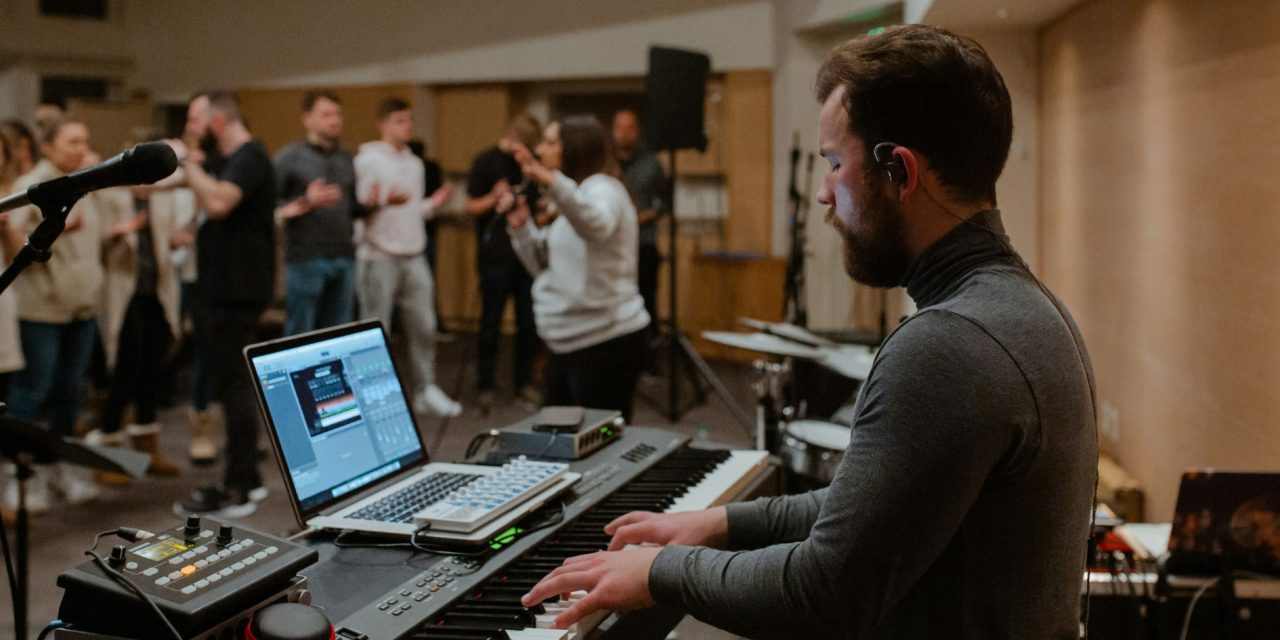
Collaborations between worship artists and mainstream producers have become increasingly common, driven by a desire to expand sonic boundaries and reach wider audiences. These partnerships can introduce fresh production techniques and contemporary sound palettes into worship music. However, they also surface unique challenges rooted in differing creative priorities, audience expectations, and underlying purpose.
Understanding these challenges is essential for artists seeking collaboration without compromise. When approached with clarity and mutual respect, these partnerships can enhance both musical excellence and spiritual authenticity rather than placing them at odds.
Artistic Differences Across Faith and Commercial Music Spaces
One of the most immediate challenges in these collaborations lies in artistic alignment. Worship artists typically prioritize lyrical meaning, spiritual clarity, and emotional sincerity rooted in faith. Mainstream producers, on the other hand, often focus on structure, catchiness, and broad commercial appeal shaped by radio and streaming performance.
These differing perspectives can create tension during songwriting and production sessions. A worship artist may feel pressure to simplify or soften theological themes, while a producer may feel constrained by message-driven boundaries. Without early alignment, this disconnect can slow progress or dilute the final result.
Clear communication is critical. Setting expectations at the outset—such as defining the song’s purpose, intended audience, and non-negotiable values—helps establish creative trust. When both sides understand the “why” behind the music, collaboration becomes more intentional and productive.
Managing Market Expectations Without Diluting the Message
Market expectations present an additional layer of complexity. Worship artists collaborating with mainstream producers may face subtle pressure to adapt their sound to fit commercial formats, trending styles, or playlist algorithms. While broader exposure can be beneficial, it can also raise concerns among faith-based audiences who value authenticity over accessibility.
High-profile worship artists have experienced this tension firsthand, as shifts toward mainstream sounds often spark debate within their core communities. These moments highlight the delicate balance between innovation and faithfulness. The challenge is not commercial success itself, but ensuring that spiritual intent remains central.
One effective approach is maintaining open dialogue with the worship community. Feedback from congregations, worship leaders, and long-time listeners provides grounding perspective. Social platforms can also serve as listening tools, allowing artists to observe audience response while staying true to their calling. When faith anchors the creative process, collaboration can broaden impact without eroding identity.
Conclusion
Collaborations between worship artists and mainstream producers hold real potential, but they require discernment, alignment, and trust. Artistic differences and market pressures are unavoidable, yet they do not have to compromise spiritual purpose. With intentional communication and clear values, these partnerships can result in music that is both culturally relevant and spiritually resonant.
How can worship artists collaborate with mainstream producers without losing their spiritual voice? Discover more insights on faith-driven creativity and worship music evolution at DLK Praise and Worship, where purpose leads every collaboration.