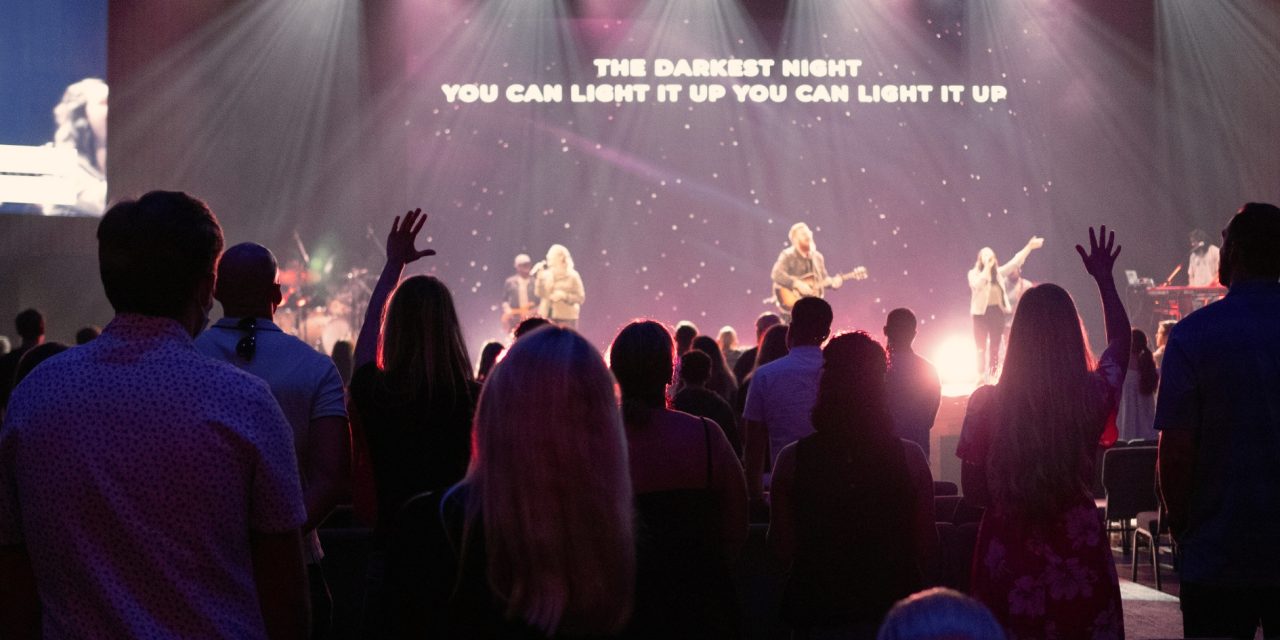
Contemporary worship music has never stood still, and its future points toward even deeper transformation. As congregations become more diverse and culturally connected, worship music continues to expand beyond familiar structures while remaining rooted in spiritual purpose. This evolution is not about abandoning tradition, but about finding new musical languages that help communities connect more fully with faith.
Looking ahead, contemporary worship music is set to become more expressive, more collaborative, and more reflective of the lived experiences of modern worshippers.
Emerging Trends Shaping Worship Music
Genre Blending and Musical Expansion
One of the most defining trends in contemporary worship music is the integration of diverse musical styles. Worship songs increasingly draw from genres such as gospel, folk, ambient, lo-fi, and even electronic music, creating soundscapes that feel both reverent and relevant.
This genre blending allows worship leaders to meet congregations where they are culturally and emotionally. Rather than relying on a single musical identity, churches are embracing flexibility, enabling worship music to reflect local communities while still carrying a universal spiritual message.
Technology and the Worship Experience
Innovation in Creation and Congregational Engagement
Technological advancement continues to reshape how worship music is written, recorded, and experienced. Digital audio workstations, live looping tools, and advanced sound systems allow worship teams to experiment creatively while maintaining clarity and accessibility.
Beyond production, technology is enhancing participation. Lyrics displayed dynamically, hybrid worship services, and collaborative musical arrangements encourage congregants to engage actively rather than passively. Worship is becoming a shared experience—one where music supports communal expression, reflection, and spiritual connection.
Conclusion
The future of contemporary worship music lies in its ability to balance innovation with intention. As musical styles evolve and technology expands creative possibilities, worship music will continue to serve as a powerful bridge between faith, culture, and community.
When worship music reflects both spiritual depth and modern expression, it becomes a living language of faith rather than a fixed formula.
How is your worship community preparing for the next chapter of musical expression? Explore deeper insights on worship music, leadership, and creative faith practices at DLK Praise and Worship.