
Silence in worship is often treated like a mistake—something to quickly fix before people start looking around. But what if those quiet moments are actually doing more work than the songs themselves?
When used intentionally, silence stops being awkward and starts becoming strategic. It creates space for reflection, clarity, and genuine spiritual connection—things noise alone can’t sustain.
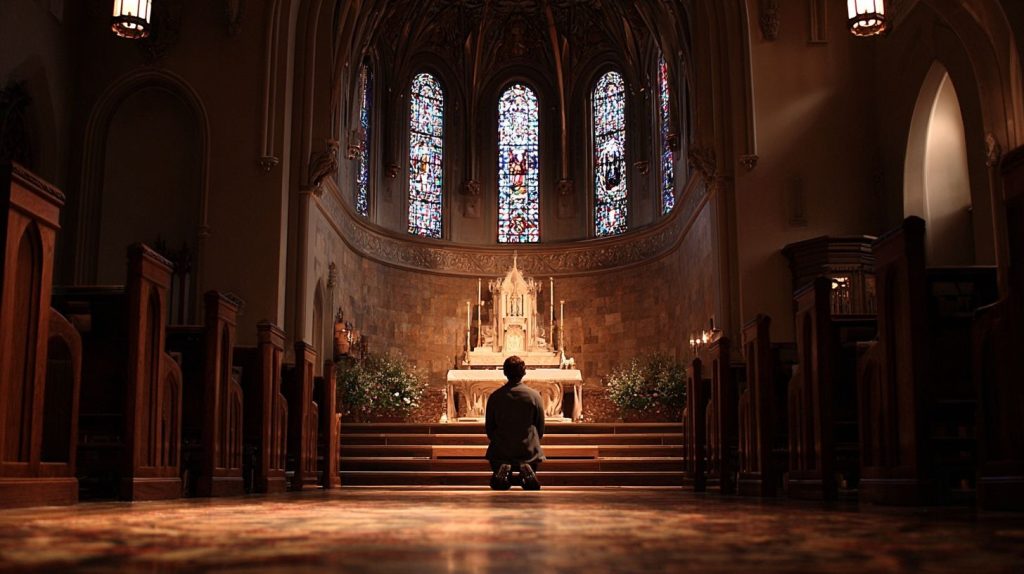
How Silence Strengthens Retention and Emotional Experience
Silent moments play a critical role in how worship is processed and remembered. When there is a pause after a song, the brain begins organizing what was just heard. This strengthens memory consolidation, allowing lyrics and messages to settle more deeply.
For example, after singing about grace, a brief stillness allows that truth to land. Without it, the next transition can interrupt the process. Over time, these pauses help spiritual insights stay longer and feel more personal.
Research also points to a neurological response during silence. Dopamine, a chemical linked to reward and pleasure, increases in quiet reflective states. This creates a subtle sense of joy and uplift, often experienced as a spiritual high.
In these sacred intervals, worshippers feel a growing sense of anticipation and connection. The stillness does not reduce engagement—it deepens it. Emotion becomes more grounded rather than rushed.
How Silence Restores the Body and Refocuses the Mind
Beyond memory and emotion, silence also affects the body. Intentional pauses help reset the autonomic nervous system, shifting it from a state of stimulation to calm. Heart rate slows, breathing steadies, and tension begins to release.
This physiological reset creates space for clarity. Instead of feeling overwhelmed by continuous sound, worshippers experience a moment of internal balance. That calm state makes it easier to refocus and remain present.
Silence also reduces mental noise. With fewer distractions, attention shifts away from scattered thoughts toward deeper reflection. This enhances spiritual awareness and allows individuals to engage more fully with the moment.
Over time, these quiet intervals contribute to a more sustained sense of peace. Worshippers leave not only encouraged, but also mentally settled and physically refreshed.
Conclusion
Silence in worship is far from empty. It strengthens memory, deepens emotional experience, and restores both mind and body. These moments create space for truth to settle and connection to grow.
When embraced, quiet becomes more than a pause—it becomes a powerful part of the worship experience itself.
When you think about your worship experience, do those quiet moments feel meaningful or just like gaps to fill?Be real in the comments, and keep growing in intentional, impactful worship with DLK Praise and Worship.