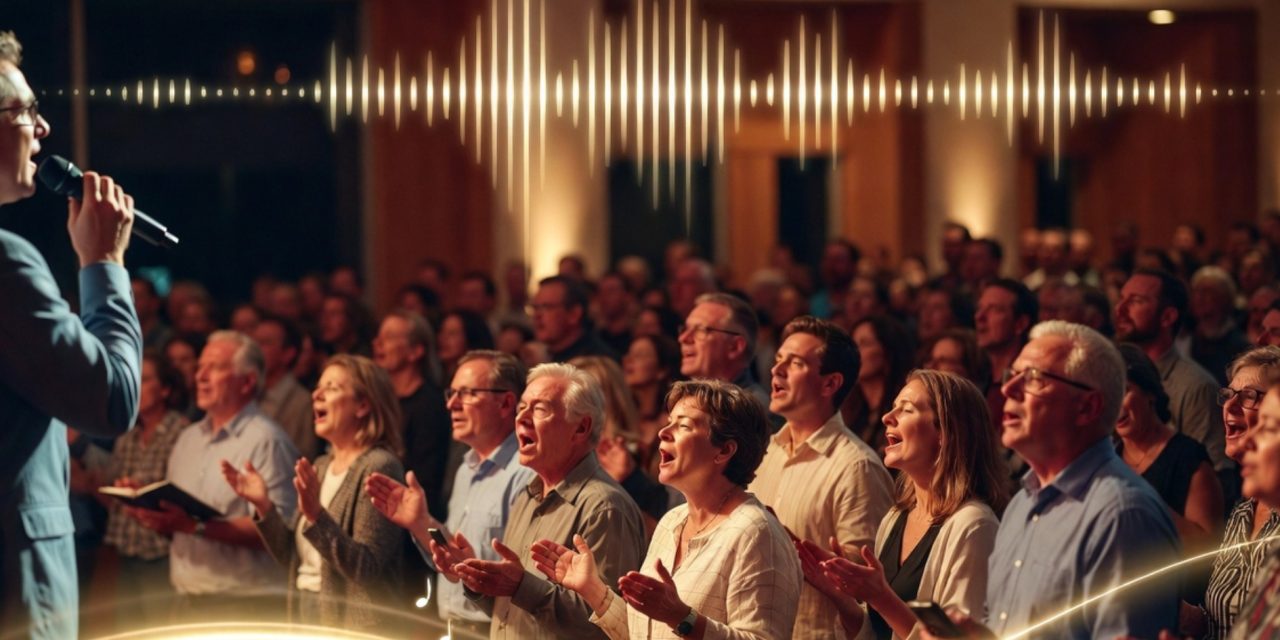
Nothing exposes a bad key choice faster than a congregation going… quiet.
You start strong, the band is locked in, everything feels right—and then the chorus hits too high (or too low), and suddenly people are just watching instead of singing. It’s not a passion problem. It’s a range problem.
Getting the key right isn’t just a technical detail—it’s one of the most practical ways to help people actually participate in worship.
Why the G3–C5 Range Matters More Than You Think
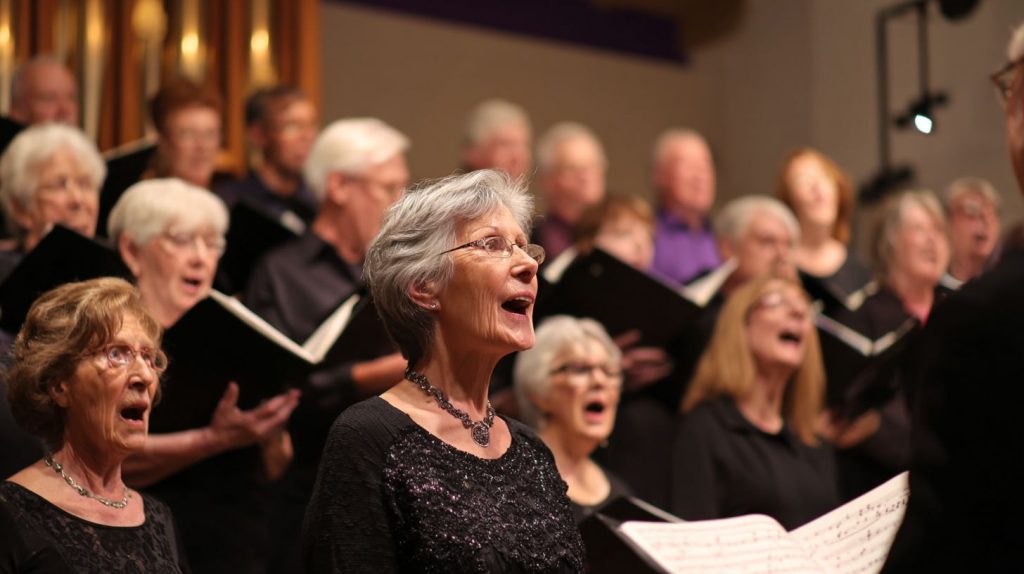
Most congregations aren’t trained singers—and that’s exactly why range matters.
Research from choral practice consistently points to G3–C5 as the most comfortable range for mixed, untrained voices. It’s wide enough to include both lower and higher voices, but not so extreme that it creates strain. When songs sit within this range, more people can sing confidently without feeling pushed.
This is where the idea of tessitura becomes important—not just the highest or lowest note, but where most of the melody sits. A song might technically fit within range, but if it lives too high or too low for too long, people will check out quickly.
Simple adjustments make a big difference. Transposing into common keys like C, G, or D major often brings songs into a more accessible space. Tools like Planning Center can help leaders quickly test and adjust keys before a service.
When the range works, participation rises naturally. People don’t have to think—they just sing.
Adapting for Different Voices Without Overcomplicating It
Not every group sounds the same, and that’s where awareness matters.
While G3–C5 is a reliable center, different groups lean slightly in different directions. Women often sit comfortably a bit higher, men a bit lower, and factors like age also affect range and endurance. Youth groups, for example, can often handle slightly higher keys, while older congregations may benefit from slightly lower ones.
The goal isn’t perfection—it’s balance.
Instead of trying to satisfy every single voice type, aim for a middle ground where the majority can engage without strain. Even small shifts in key can transform how a song feels in the room. If a chorus consistently feels like a stretch, it probably is.
A simple “singability check” during rehearsal—playing through the melody and honestly assessing how it feels—can prevent those awkward moments during the service.
Because when people are comfortable, they’re more likely to sing out—and that’s where real congregational worship comes alive.
Conclusion
Choosing the right key isn’t just about music—it’s about people.
It’s about removing barriers so the focus stays where it belongs: on worship, not vocal strain. When songs sit in a comfortable range, something shifts. Participation increases, confidence builds, and the room begins to sing together instead of individually.
And in that unity, worship becomes fuller, stronger, and more meaningful.
Be honest—have you ever been in a service where the song was just too high to sing comfortably, and you quietly tapped out?
Tell us what that moment felt like 😄 and keep sharpening your worship leading with DLK Praise and Worship.